Table of Contents
Introduction
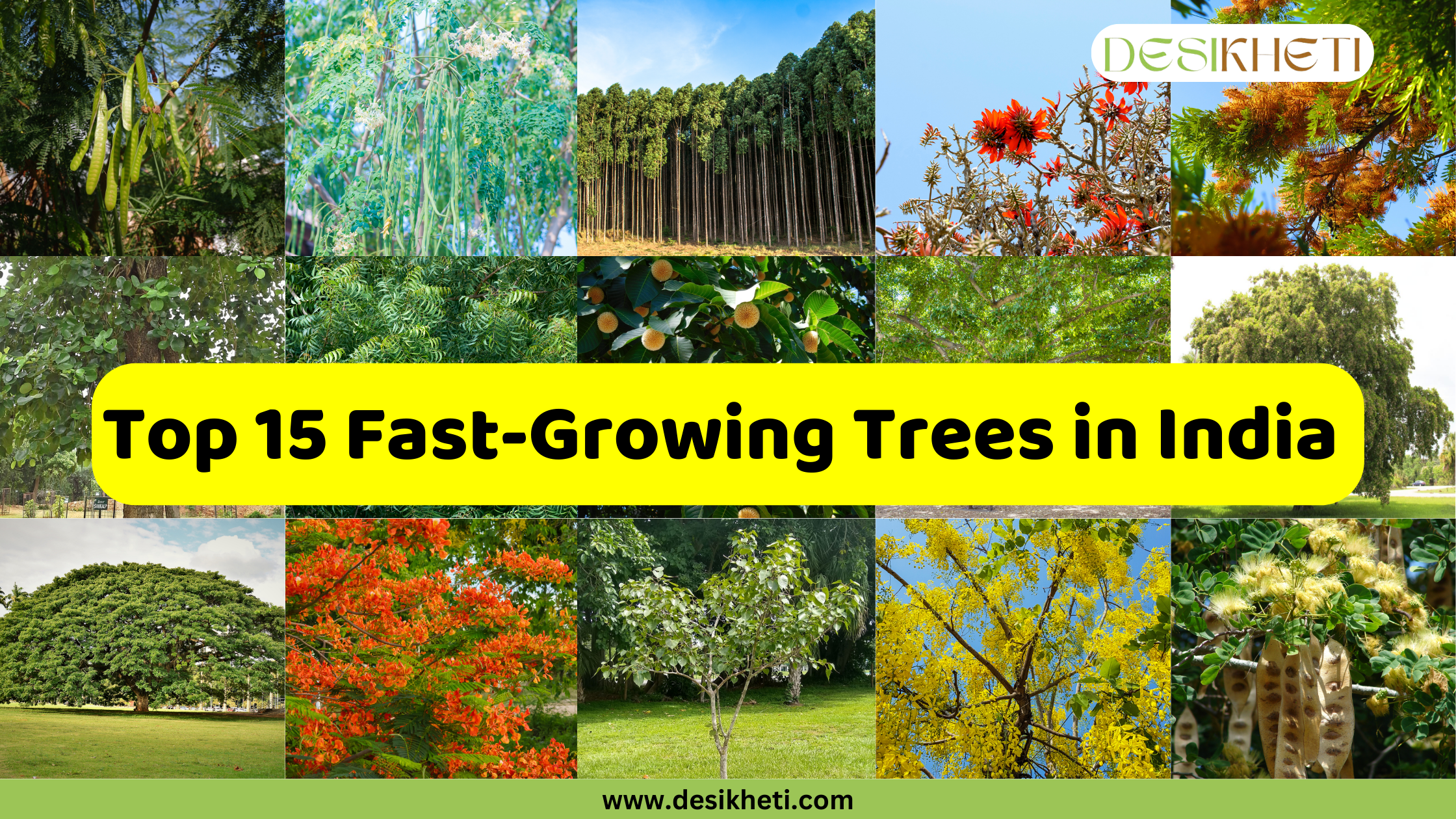
In a country like India, where rapid urbanization and deforestation are putting pressure on green spaces, fast-growing trees provide a sustainable solution for reforestation, agroforestry, shade, and even commercial timber production. These trees establish quickly, offer early benefits such as shade, soil improvement, fodder, and carbon absorption, and can thrive in a wide range of climatic zones, from tropical coasts to semi-arid interiors.
Whether you are a farmer looking for income through timber, an urban gardener seeking shade, or a nature lover restoring native biodiversity, these trees can help green your space with visible results in just a few years.
So, without further delay, let’s dive into the blog and learn about 15 fast-growing trees in India.
Top 15 Fast-Growing Trees in India
Subabul
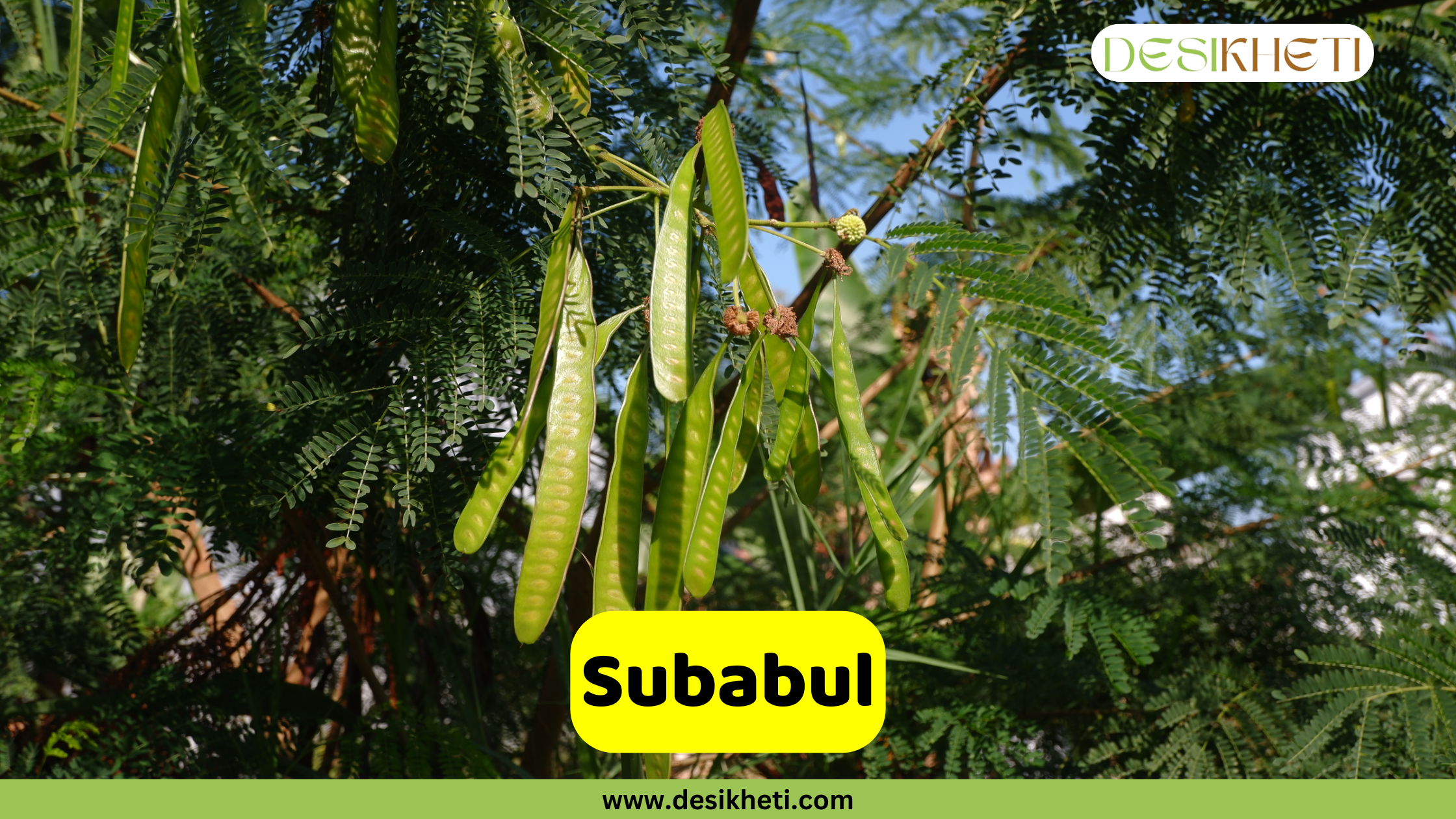
Botanical Name: Leucaena leucocephala
Subabul is a fast-growing, drought-tolerant tree native to Central America but widely naturalized in India. It can grow up to 10–20 meters tall with a wide-spreading crown. The leaves are bipinnate and feathery, giving it a soft green appearance. It thrives in dry, loamy, or sandy soils with moderate watering.
It adapts well to tropical and semi-arid regions and matures within 3–4 years.
Uses and Benefits:
- Fodder for livestock
- Windbreaks and erosion control
- Firewood and pulpwood
Drumstick Tree / Moringa
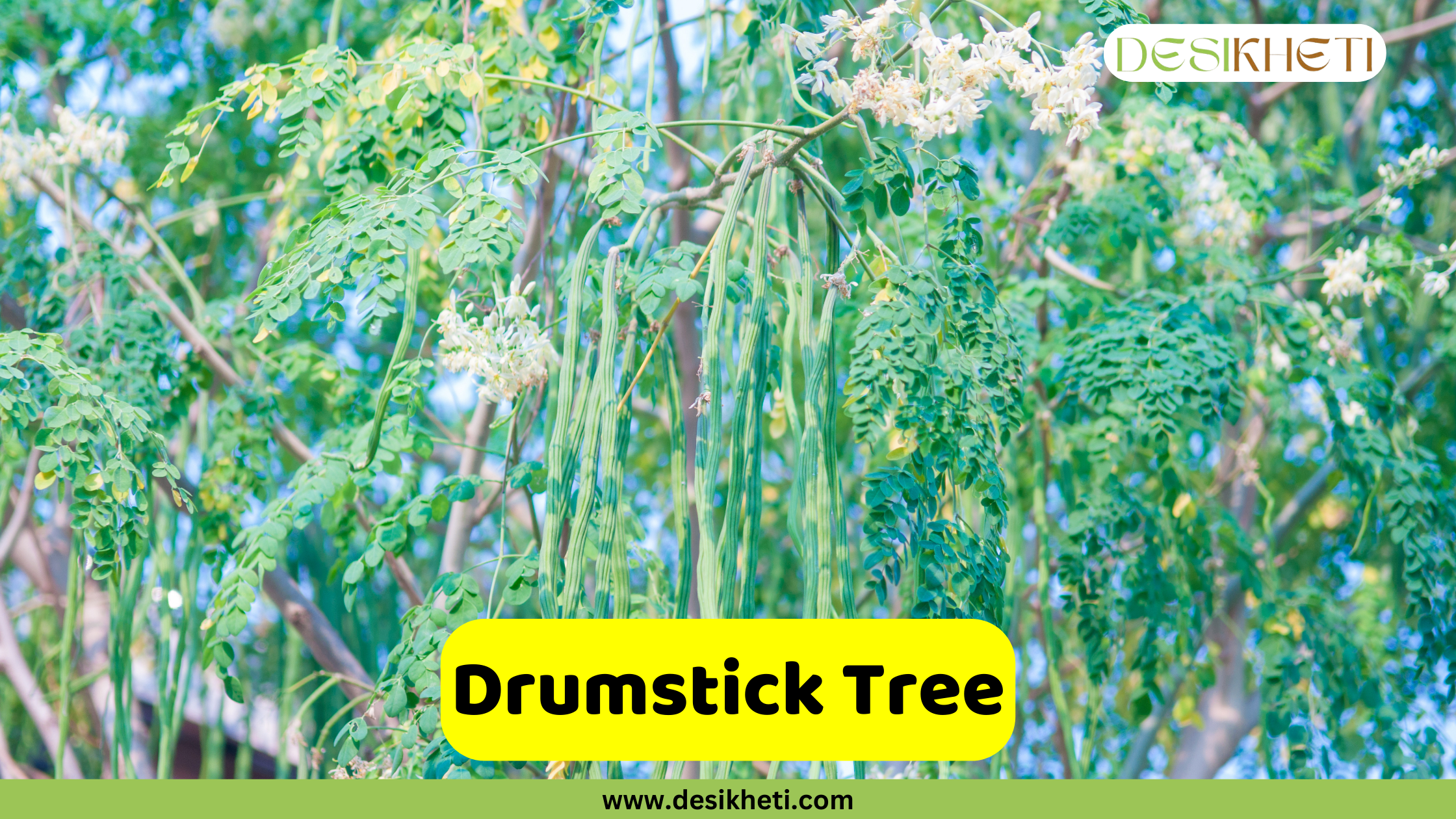
Botanical Name: Moringa oleifera
Moringa is a slender tree that grows up to 10–12 meters tall. The tree is known for its compound leaves and edible pods. It prefers warm tropical and subtropical climates and grows well in sandy or loamy soil with good drainage.
Uses and Benefits:
- Edible pods and leaves
- Medicinal properties
- Low maintenance
Eucalyptus

Botanical Name: Eucalyptus spp.
Eucalyptus trees are tall, evergreen, and known for their aromatic leaves. Some species can grow up to 60 meters tall. They thrive in tropical to temperate zones and prefer well-drained loamy or sandy soil. They establish quickly and can be harvested for timber in 6–8 years.
Uses and Benefits:
- Timber and pulpwood
- Oil extraction
- Windbreaks
- Landscaping and avenue planting
Indian Coral Tree
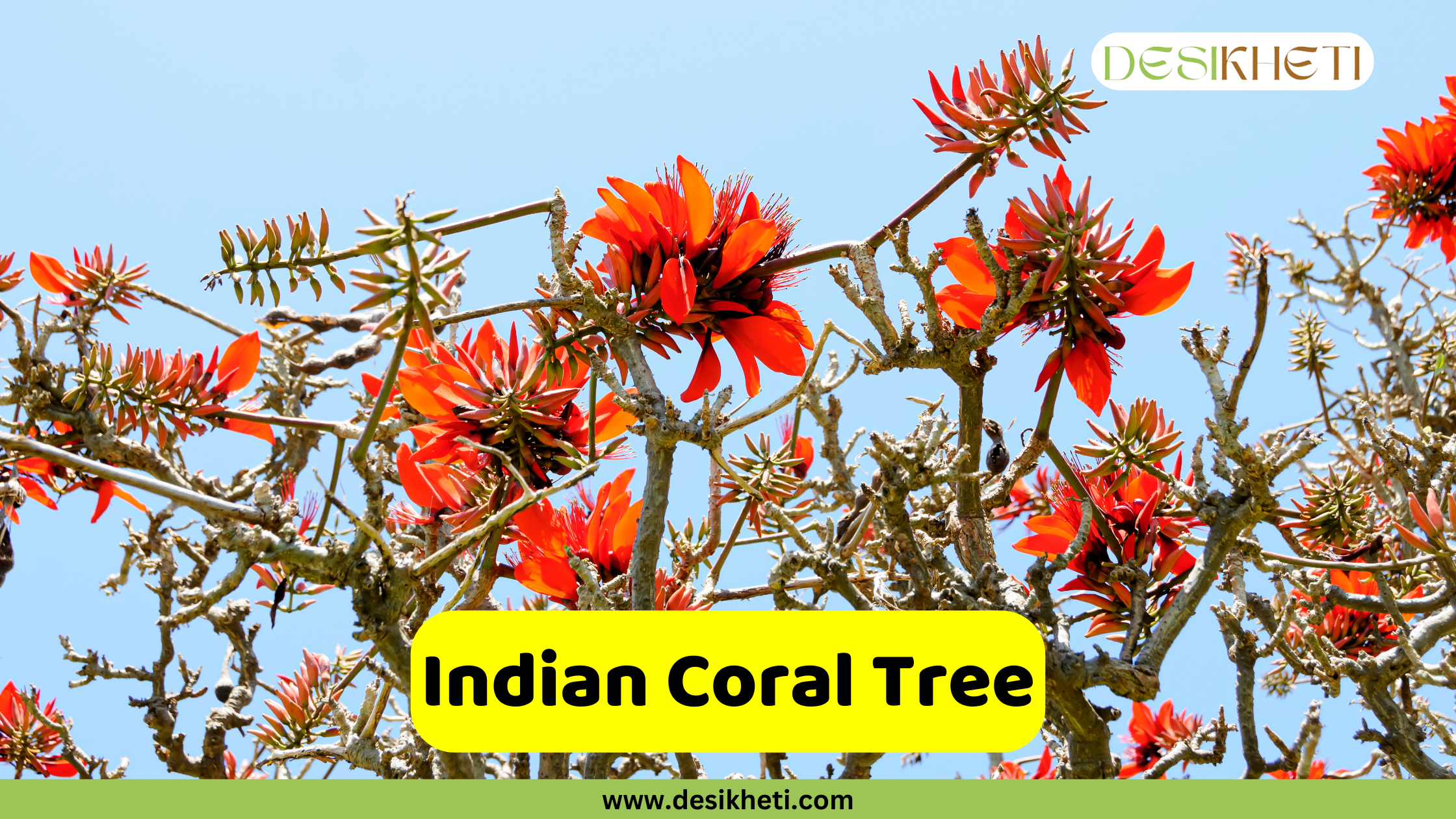
Botanical Name: Erythrina variegata
This tree is admired for its striking red-orange flowers and thorny branches. It grows up to 15–20 meters and thrives in tropical climates. It prefers sandy, loamy soil and can tolerate coastal and drought-prone regions. Flowering begins within 3–4 years of planting.
Uses and Benefits:
- Ornamental flowering tree
- Shade in farms and gardens
- Live fencing
Silver Oak
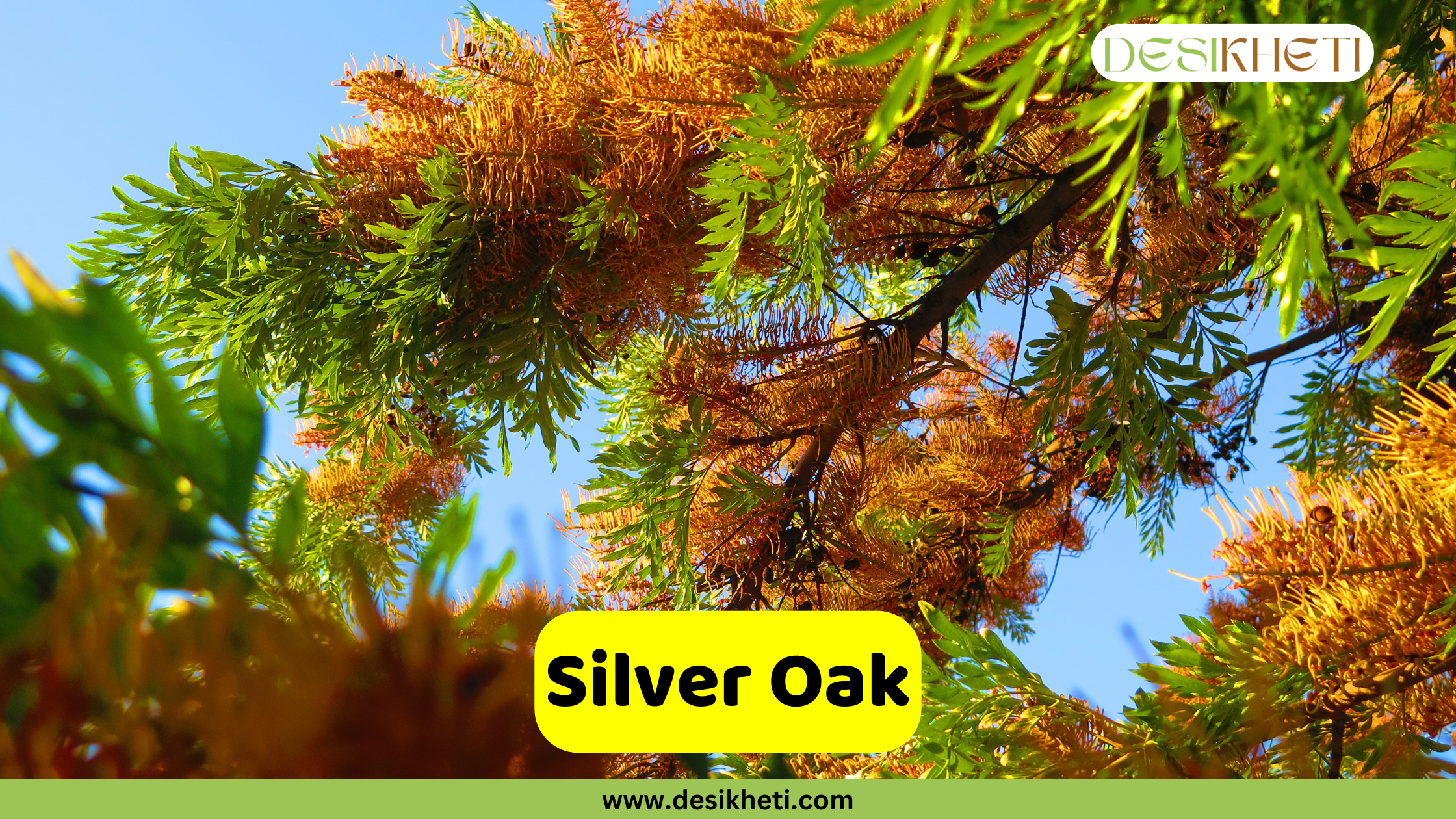
Botanical Name: Grevillea robusta
Silver Oak is a tall, graceful tree with fern-like silver-green leaves and golden flowers. It grows up to 20–30 meters and is well-suited for cooler hill regions and plains with moderate rainfall. It prefers deep, loamy soils and grows quickly when young.
Uses and Benefits:
- Ornamental landscaping
- Shade for coffee plantations
- Windbreak
- Avenue planting
Red Sanders / Papri Tree
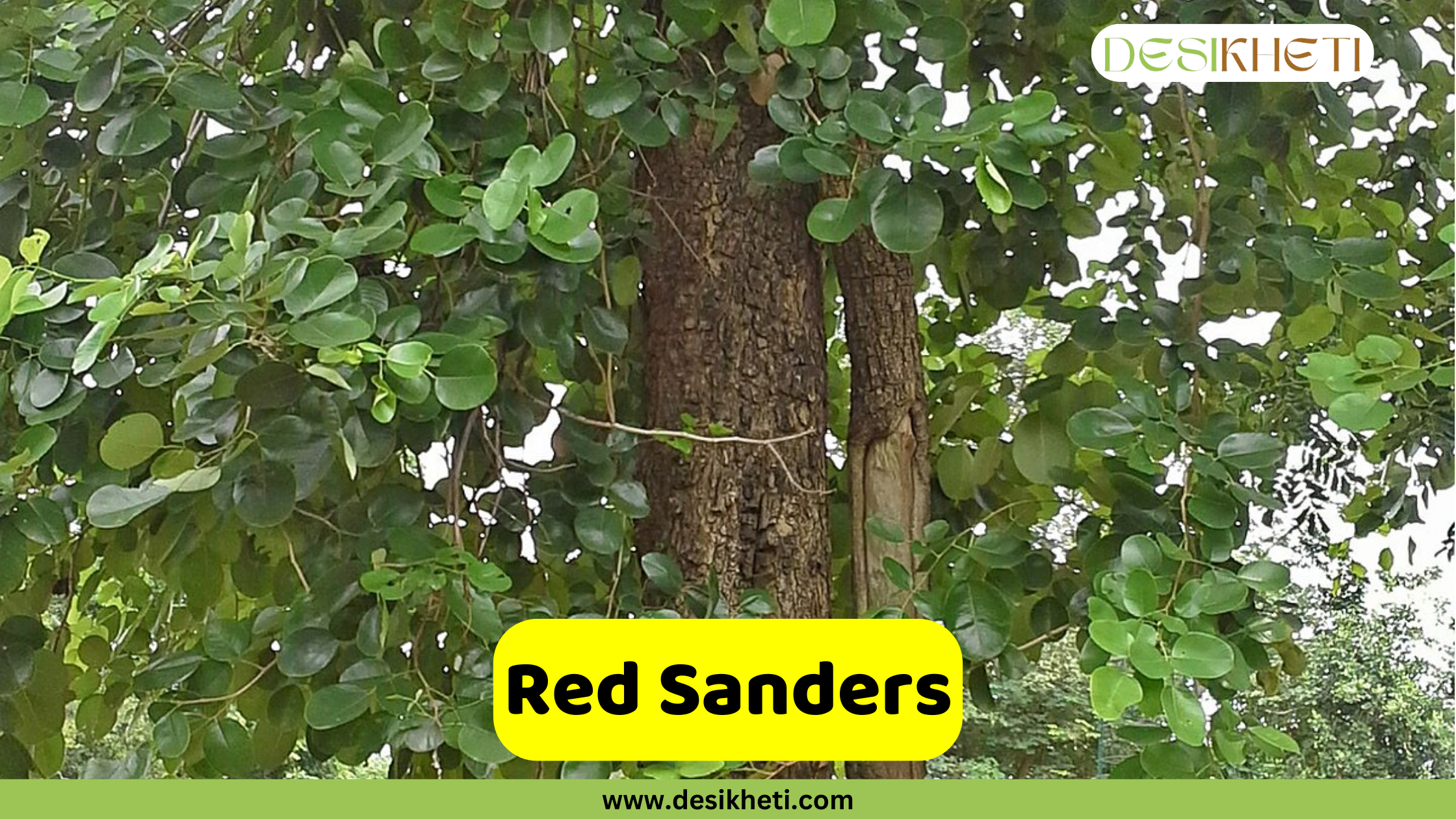
Botanical Name: Pterocarpus santalinus
This tree is native to southern India and is famous for its dark red hardwood. It reaches a height of around 8–12 meters and thrives in semi-arid climates. It prefers red loamy to gravelly soils. The plant can live for several decades, though commercial timber maturity takes 10–12 years.
Uses and Benefits:
- High-value timber
- Dye and cosmetic ingredients
- Biodiversity conservation
Neem Tree
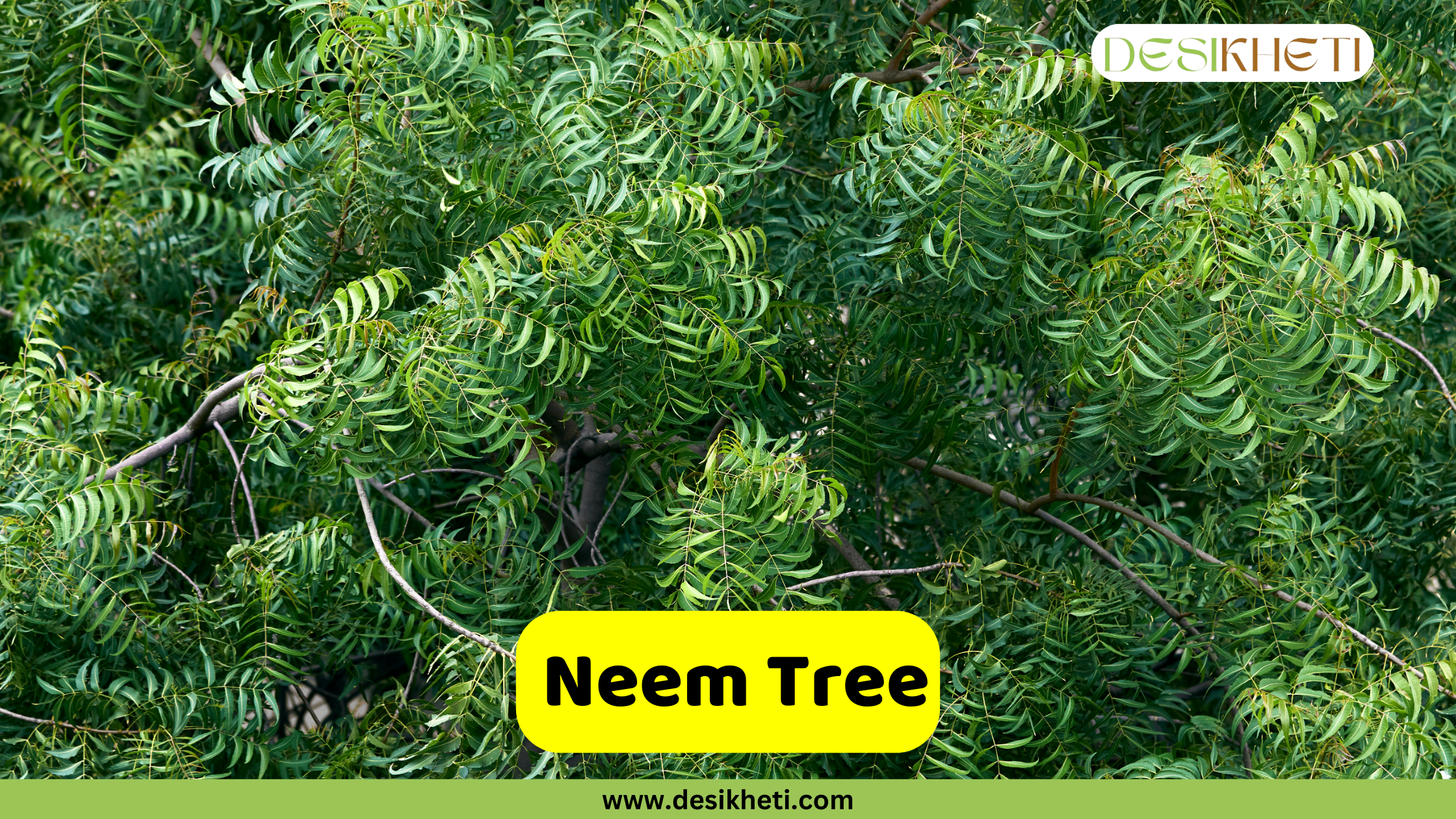
Botanical Name: Azadirachta indica
Neem is a hardy, drought-tolerant tree that can grow up to 15–20 meters tall. It has wide-spreading branches and compound leaves. It thrives in hot climates and poor soils, including sandy and alkaline conditions.
Uses and Benefits:
- Medicinal and Ayurvedic products
- Natural pesticide
- Shade and air purification
- Neem oil extraction
Kadamba
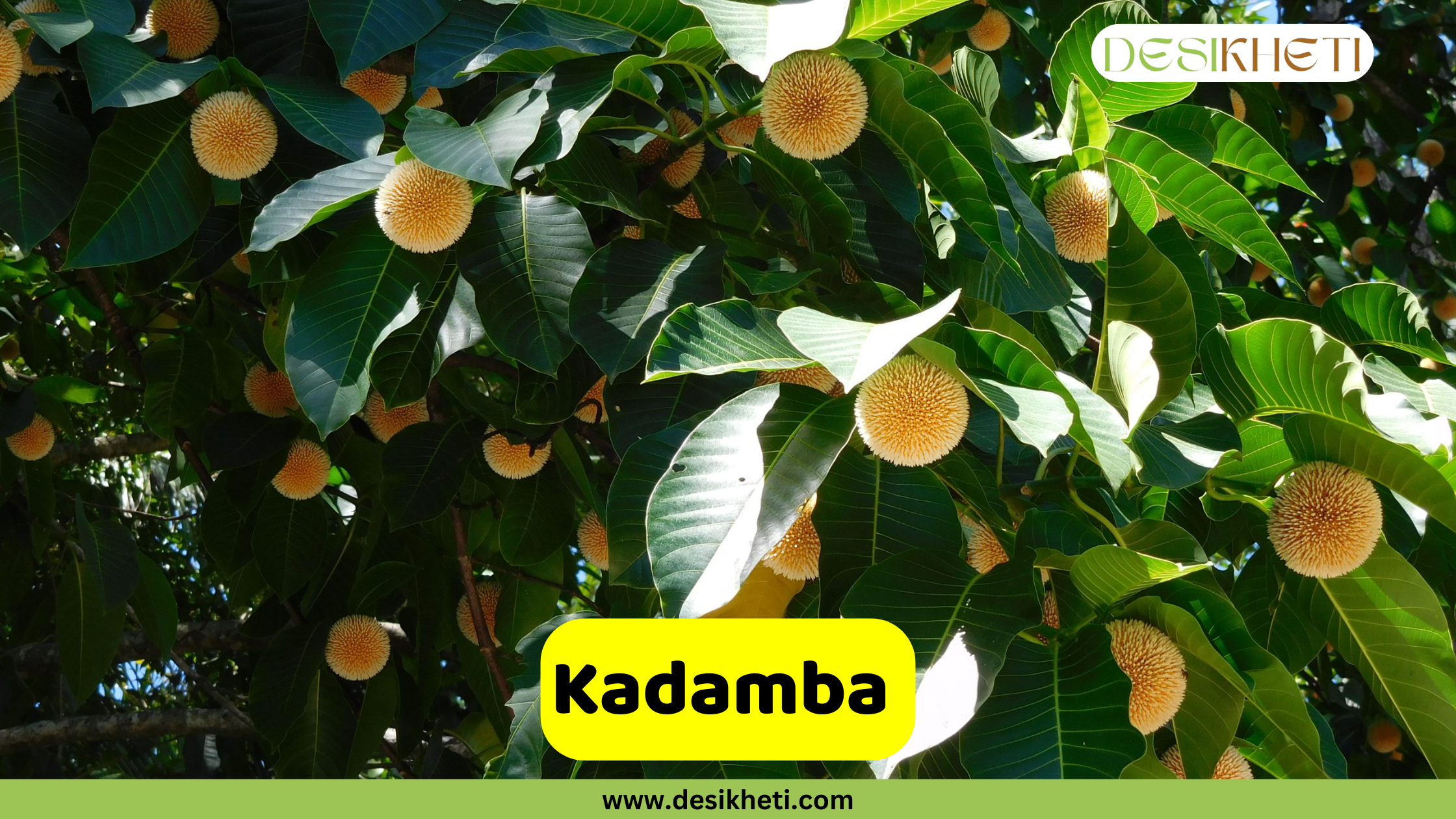
Botanical Name: Neolamarckia cadamba
Kadamba is a fast-growing, large deciduous tree that can reach up to 45 meters under ideal conditions. It produces fragrant, ball-shaped, yellow-orange flowers and is commonly grown in tropical and subtropical regions of India. It prefers moist, well-drained soil and grows best near water bodies.
Uses and Benefits:
- Shade and ornamental use
- Timber for plywood and paper
- Sacred and religious planting
Indian Banyan
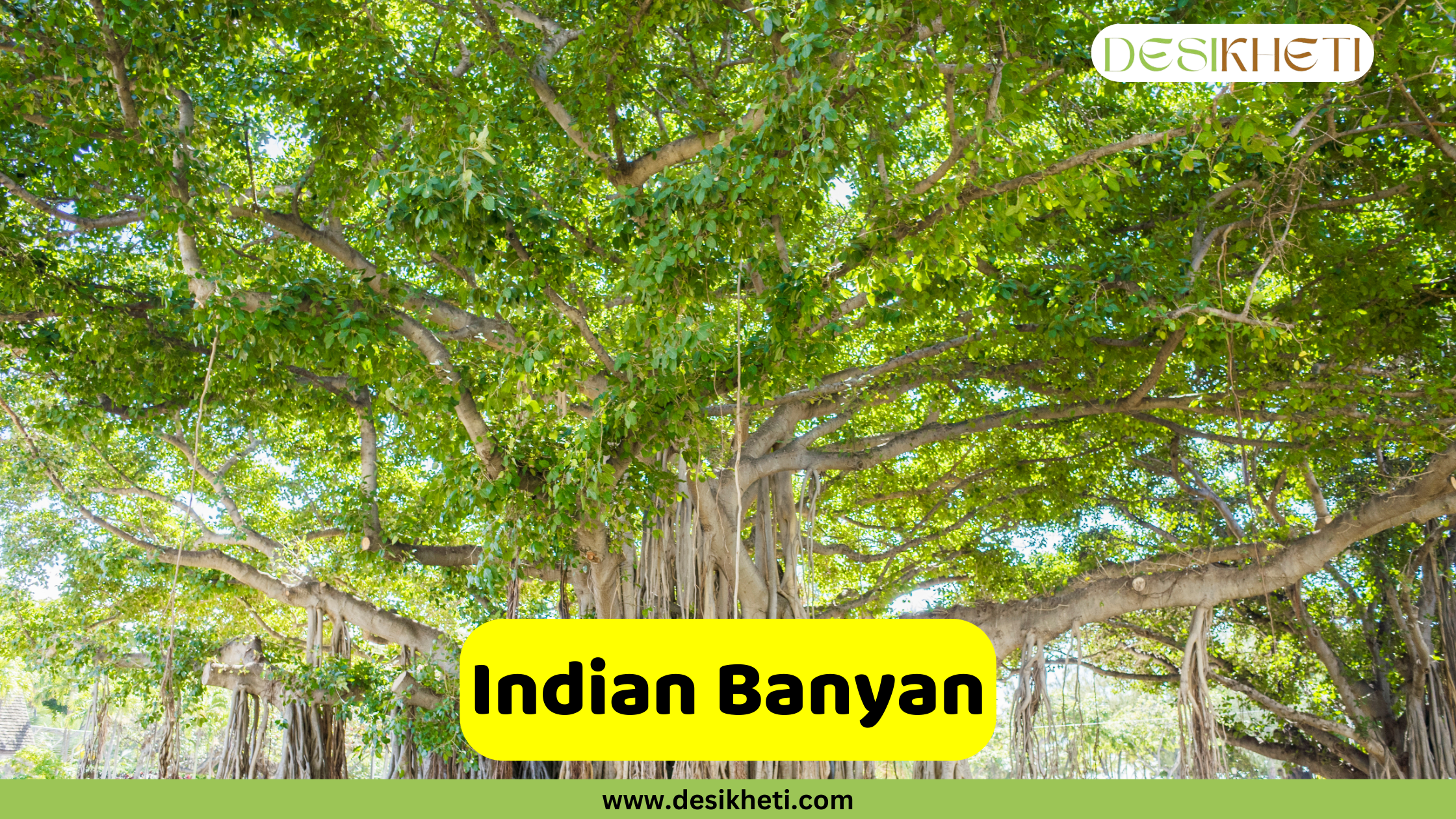
Botanical Name: Ficus benghalensis
The banyan tree is one of the largest tree species, growing horizontally through aerial roots. It thrives in tropical and semi-arid climates and is suited for deep, fertile soils. Though slow initially, it becomes massive over time.
Uses and Benefits:
- Shade and shelter
- Sacred and cultural significance
- Supports biodiversity
Karanj Tree
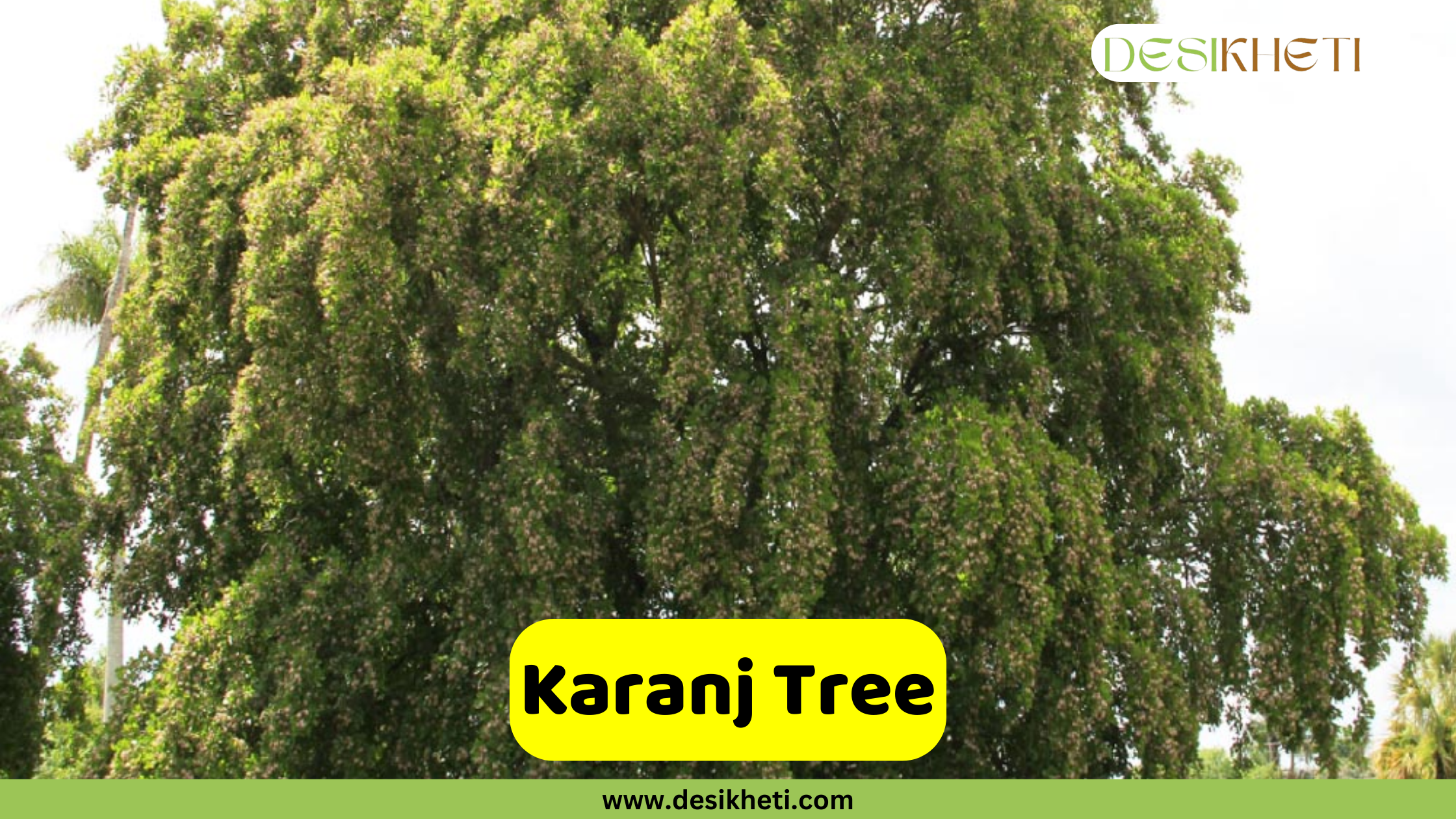
Botanical Name: Pongamia pinnata
Karanj is a medium-sized deciduous tree. The plant reaches up to 15–20 meters in height with a spreading crown and glossy green leaves. It thrives in tropical and coastal climates and is well-suited to saline, waterlogged, or degraded soils. The plant is known for its deep root system and nitrogen-fixing ability.
Uses and Benefits:
- Shade in farm boundaries and roadsides
- Oil production from seeds (Karanj oil)
- Soil fertility enhancement through nitrogen fixation
Rain Tree
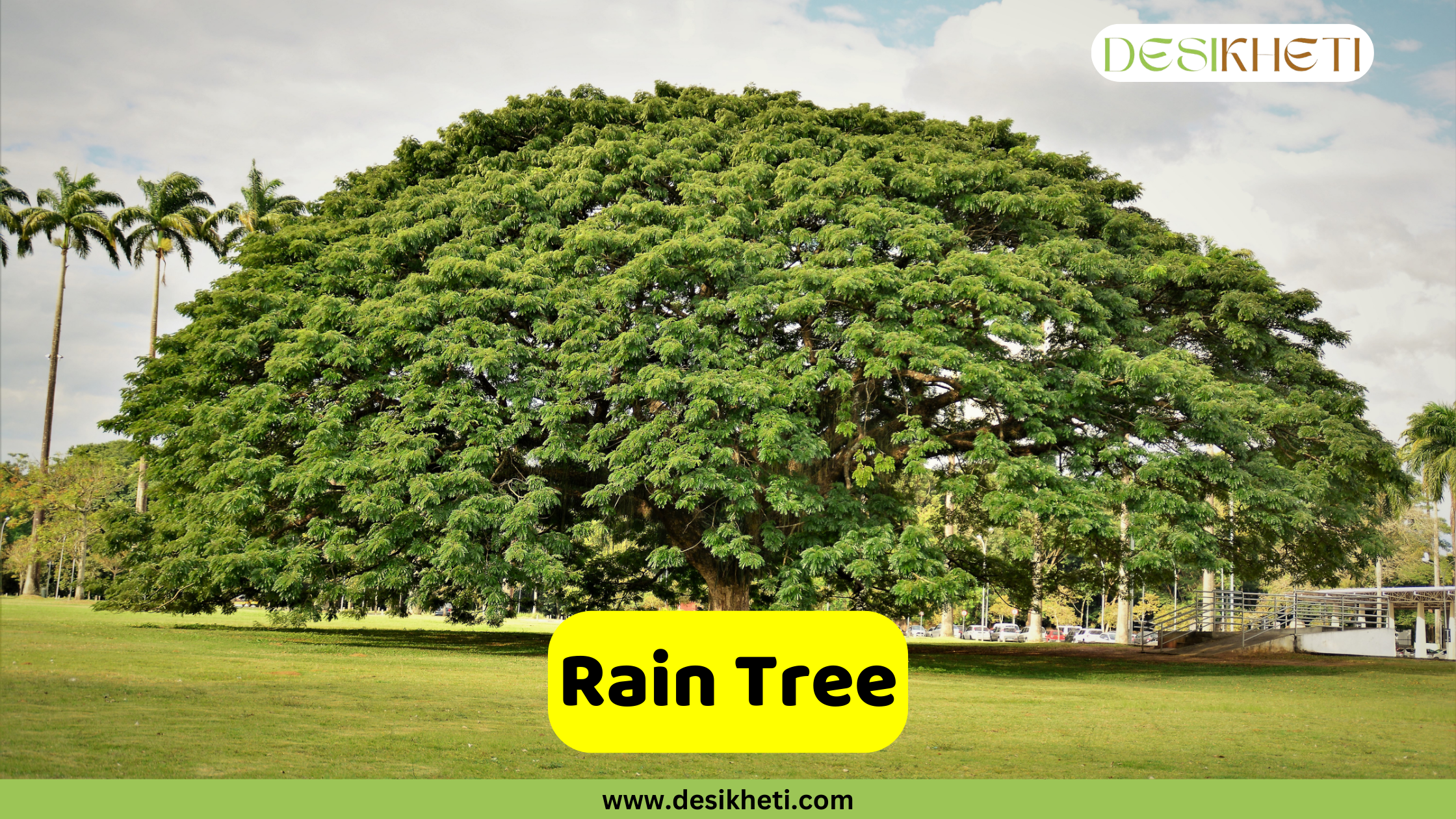
Botanical Name: Samanea saman
Rain Tree is a large, umbrella-shaped tree that can grow up to 30–40 meters. It has a wide canopy with fern-like leaves and pink powder-puff flowers. It is well-suited to tropical regions with loamy soil and moderate rainfall.
Uses and Benefits:
- Shade for roads and fields
- Ornamental avenue tree
- Fodder for cattle
- Urban landscaping
Flame Tree / Gulmohar
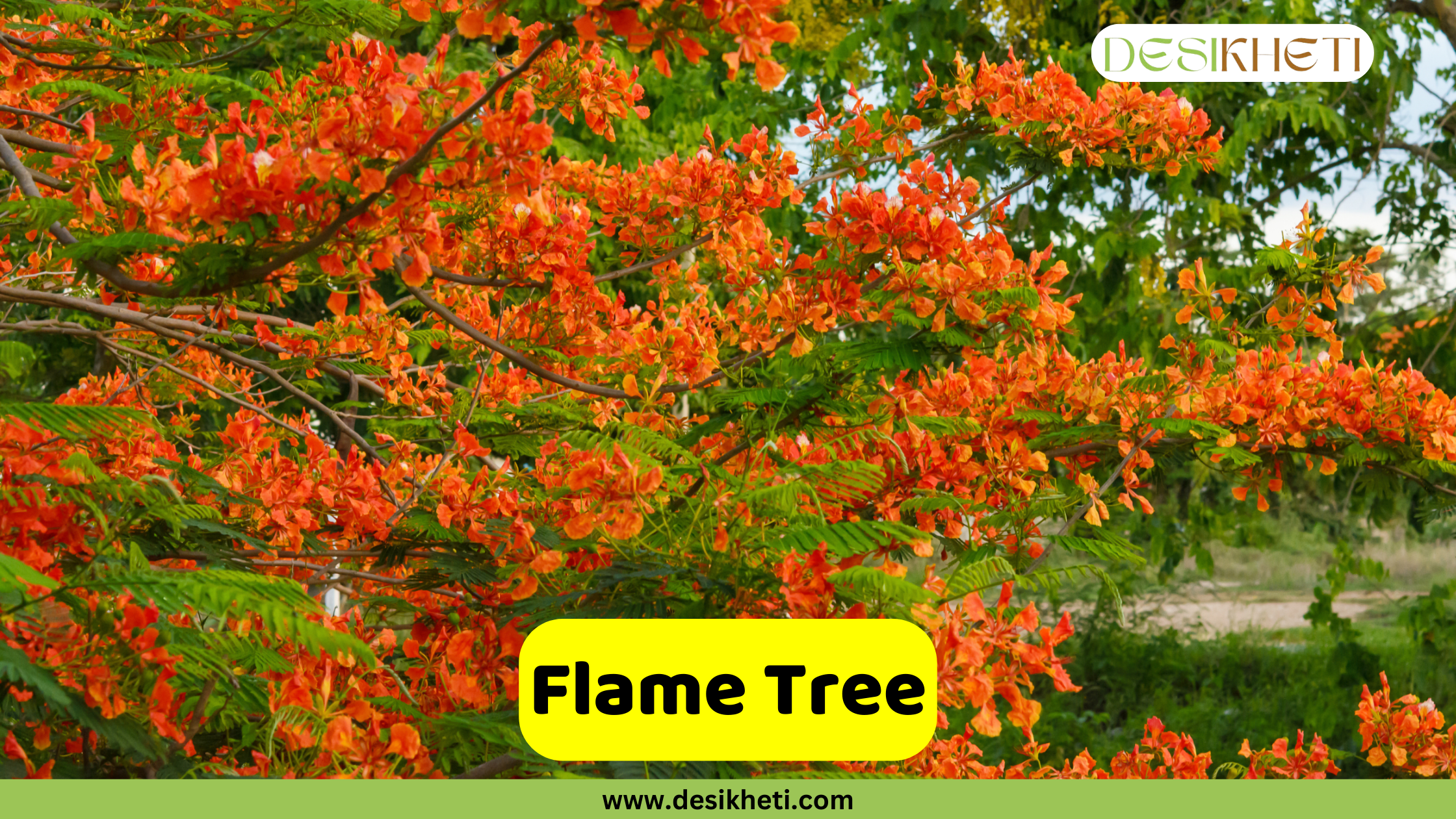
Botanical Name: Delonix regia
This tree is known for its vibrant red-orange flowers and wide-spreading branches. It grows up to 12–15 meters and is ideal for tropical climates. It prefers well-drained sandy or loamy soil and performs well in urban and coastal regions.
Uses and Benefits:
- Ornamental flowering tree
- Avenue beautification
- Shade in parks and compounds
Peepal Tree
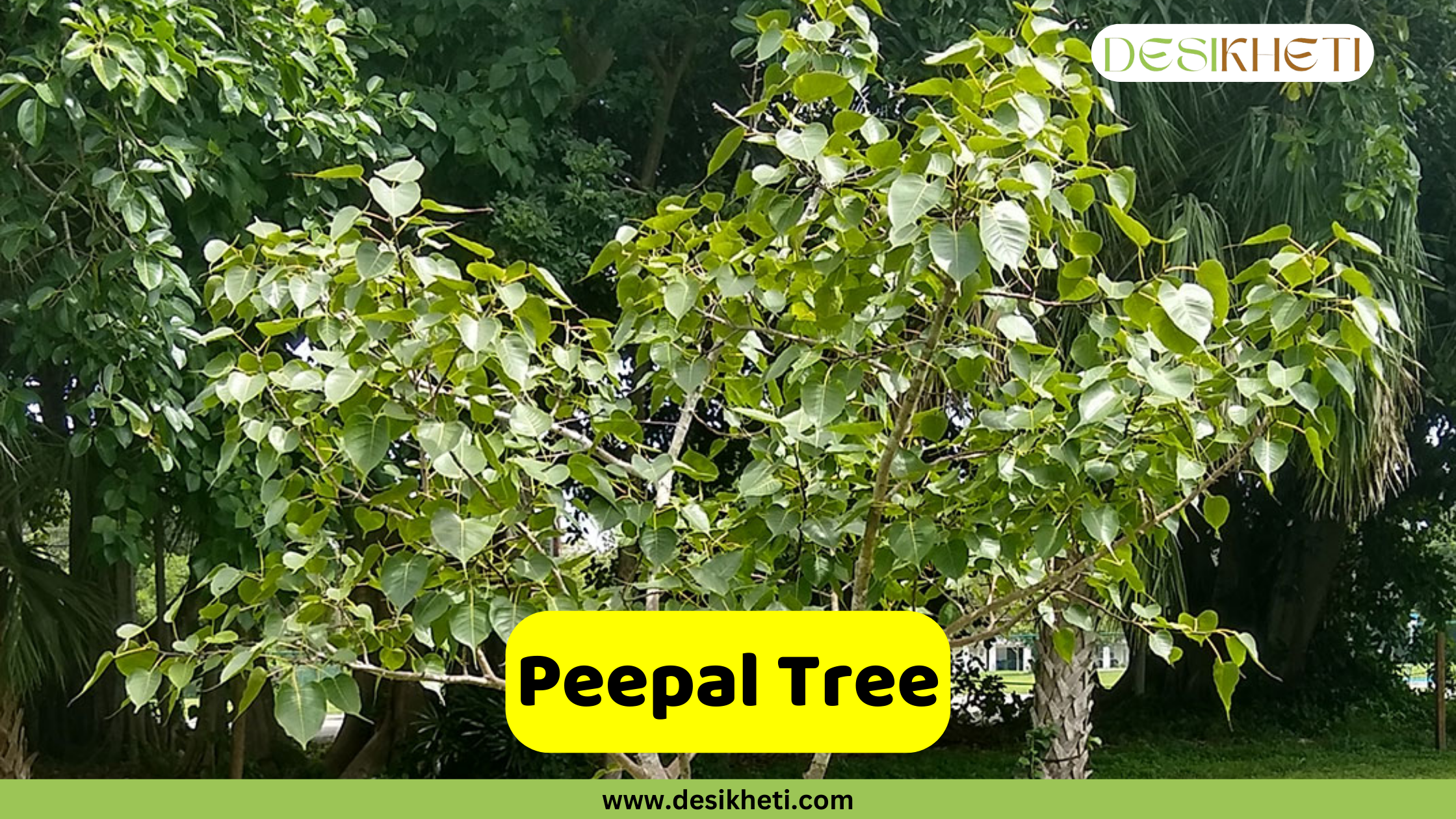
Botanical Name: Ficus religiosa
The Peepal tree can grow up to 25–30 meters. It has heart-shaped leaves and grows well in tropical climates with alluvial or loamy soil. It also has religious and cultural significance and is considered sacred.
Uses and Benefits:
- Religious and cultural importance
- Air Purification
- Habitat for birds and bees
Golden Shower / Amaltas
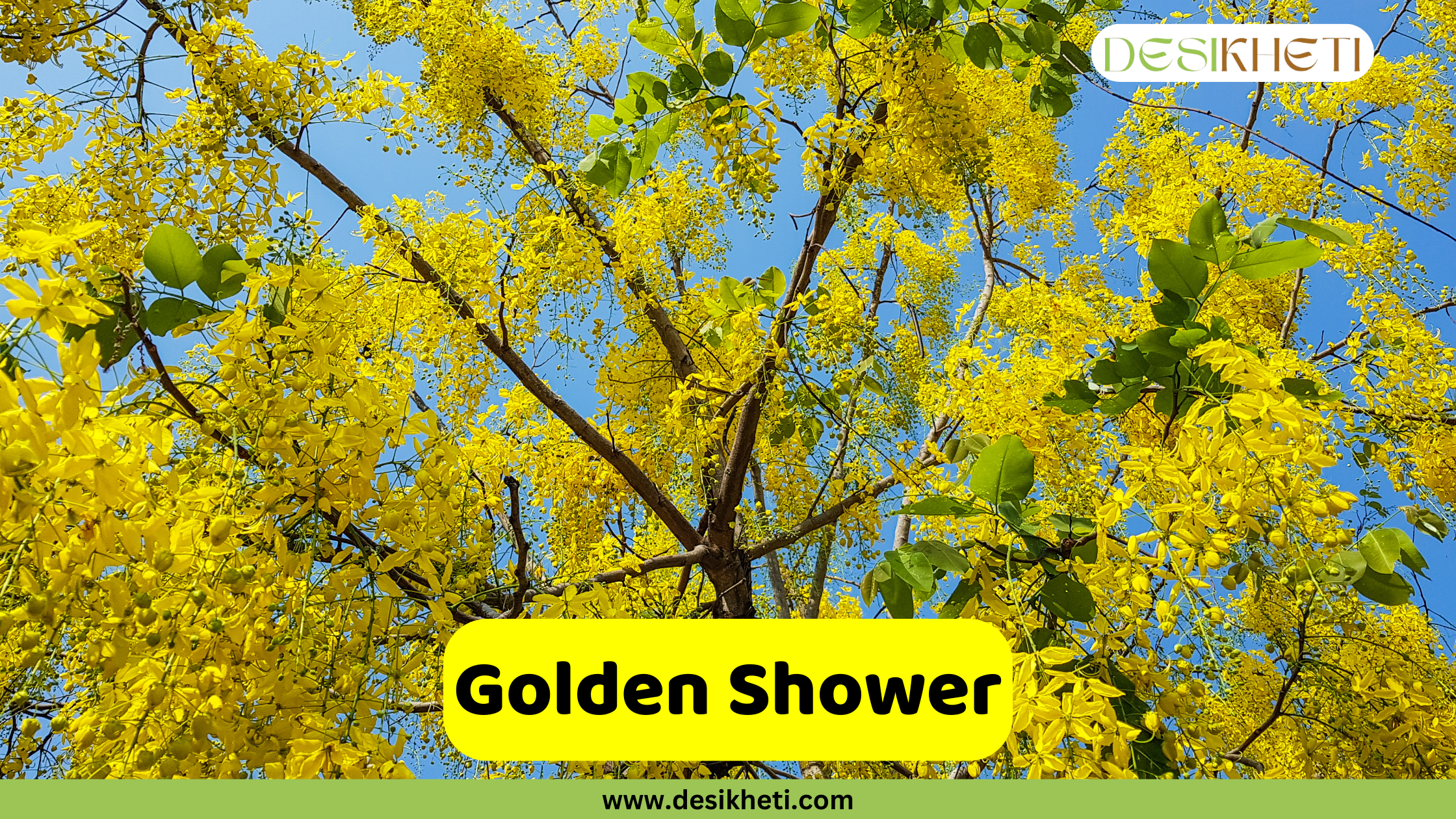
Botanical Name: Cassia fistula
Amaltas is admired for its cascading yellow flower clusters and grows up to 10–15 meters. It is a deciduous tree well-suited to tropical and subtropical climates. It prefers sandy or loamy soils and blooms in summer.
Uses and Benefits:
- Ornamental tree for gardens and roadsides
- Shade provider
- Cultural and aesthetic value
Siris Tree
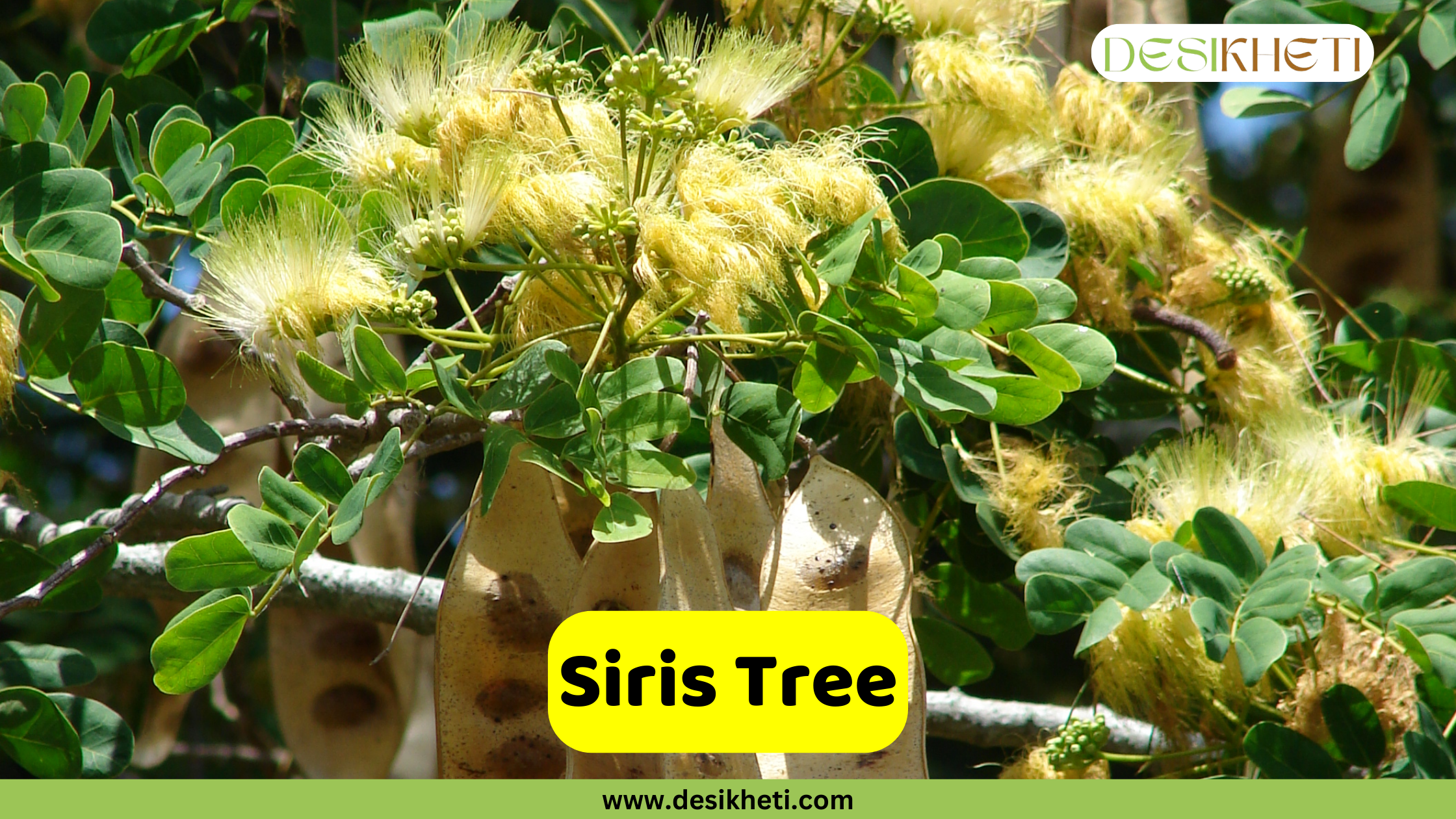
Botanical Name: Albizia lebbeck
Siris is a deciduous tree that grows up to 20 meters tall with a broad canopy and fragrant flowers. It is suited to tropical and semi-arid climates and grows well in sandy, loamy soils.
Uses and Benefits:
- Shade and avenue planting
- Timber for furniture
- Fodder for animals
- Windbreaks
Other Noteworthy Fast-Growing Trees in India
- Malabar Neem
- Shivan / Gamhar
- Arjun Tree
- Palash / Flame of the Forest
- Shisham / Indian Rosewood
- Australian Acacia
- Casuarina
- Ardu Tree
- Jamun Tree
- Semal / Silk Cotton Tree
Fast-growing trees are more than just a quick fix; they are nature’s way of regenerating landscapes, improving air quality, restoring biodiversity, and providing sustainable resources. From Subabul to Neem India offers a rich diversity of fast-growing tree options for every purpose.
By planting the right trees in the right places, you are not just creating shade or harvesting timber, you are investing in a healthier, greener future.
FAQs on 15 Fast-Growing Trees in India
1. What is the importance of the Subabul tree?
A. Subabul is valued for fodder, firewood, green manure, and soil improvement through nitrogen fixation.
2. What are three fun facts about eucalyptus?
A. Eucalyptus grows rapidly, contains medicinal oil, and is the favorite food of koalas.
3. What is the main use of eucalyptus?
A. Its leaves are used for essential oils and medicine, and the plant is also valued for timber.
4. What are the interesting facts about coral trees?
A. Coral trees produce bright red flowers and are often planted as ornamentals and shade trees.
5. What are the benefits of Indian coral trees?
A. They are used for fencing, green manure and ornamental planting.
6. What are the interesting facts about Silver Oak trees?
A. Silver Oak is not a true oak but a fast-growing timber tree with silver-gray leaves.
7. What type of forest is Red Sanders found in?
A. Mainly in the dry deciduous forests of southern India.
8. What are the special facts about Neem trees?
A. Neem is known as the “Village Pharmacy” for its wide medicinal uses.
9. What is the specialty of the Kadamba tree?
A. Kadamba has fragrant yellow-orange flowers and is used for religious purposes.
10. What are the interesting facts about the Banyan tree?
A. It is India’s national tree, produces aerial roots, and can live for centuries.
11. How long does a Banyan tree take to grow?
A. It can take 20–30 years to fully mature but can survive for centuries.
12. What is the specialty of the Karanja tree?
A. Known for biofuel oil, soil fertility improvement, and medicinal properties.
13. What are the special features of the Rain Tree?
A. Large canopy, pink flowers, and leaves that fold during rain.
14. Why is it called a Rain Tree?
A. Its leaves fold up when it rains.
15. What are the features of a Flame Tree?
A. Bright red-orange flowers, fern-like leaves, and fast growth.
16. What are uses of the Peepal tree?
A. Used for shade, religious rituals, soil improvement, wood and air purification.
17. What are the disadvantages of Peepal trees?
A. Their roots damage buildings, and they grow invasively.
18. What is the Golden Shower also known as?
A. It is also called Cassia fistula or Amaltas.
19. What are the benefits of Siris trees?
A. They provide timber, shade and soil improvement.
