
Table of Contents
Introduction
Roses are among the most popular and commercially important flowers grown in India. From local markets to exports, the quality of roses plays a key role in determining their market value. Proper harvesting practices can significantly improve vase life, color, fragrance, and overall yield.
Timing, technique, and post-harvest handling are essential steps that every rose farmer should follow to ensure healthy stems and premium flowers.
This guide covers practical tips on when and how to harvest roses, along with post-harvest care, storage, and transportation, helping Indian farmers achieve better returns while maintaining flower quality.
So without further delay, let’s dive into the blog.
Right Time to Harvest Roses
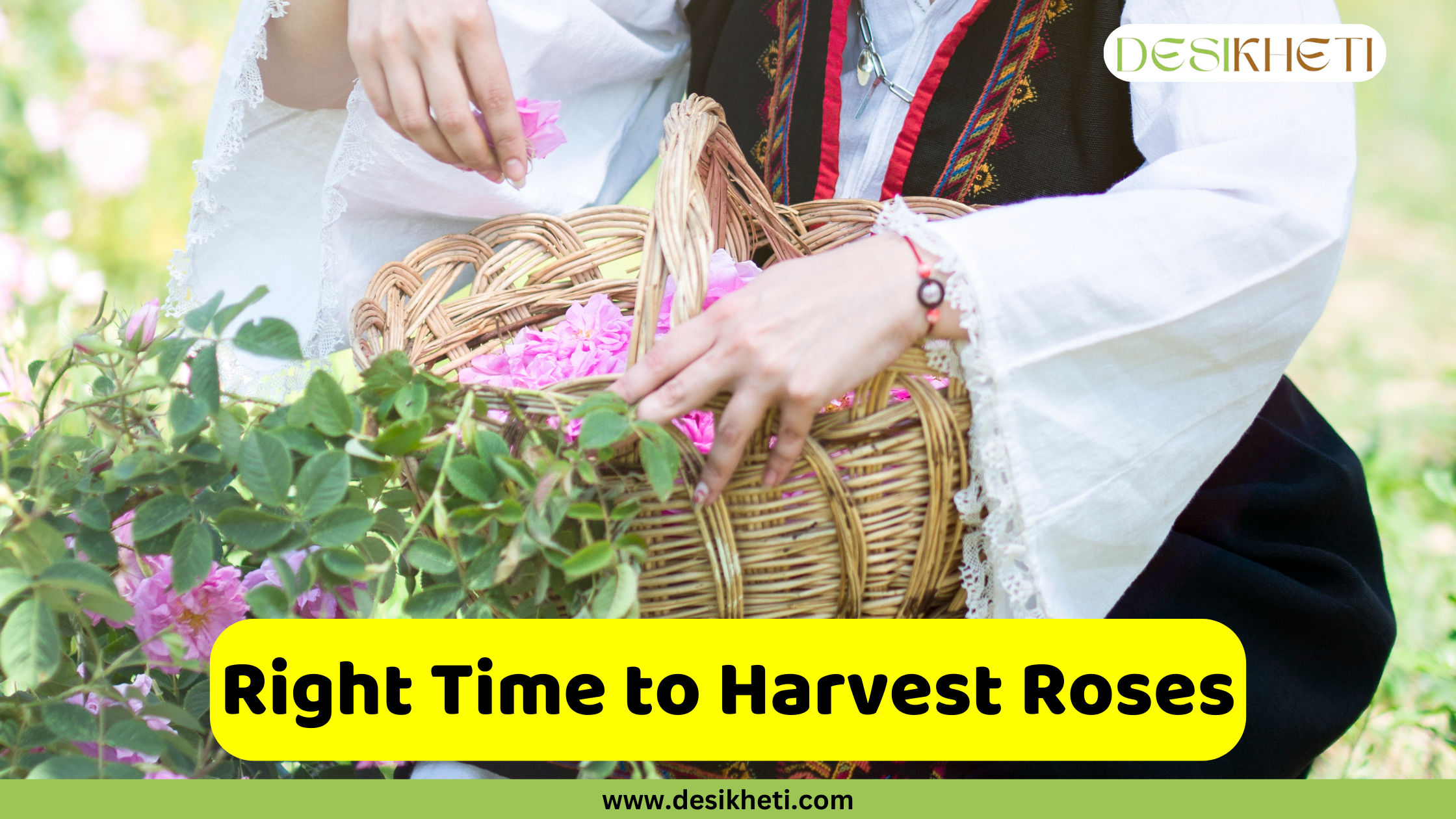
The stage at which roses are harvested has a major impact on their vase life, color retention, fragrance, and market value. For cut roses, the ideal stage of harvesting is the tight-bud stage, i.e., when the bud has developed full color but the petals have not yet started unfolding. At this stage, the flower remains fresh longer, travels better, and is more appealing in markets or floral arrangements.
It is important to note that the optimum harvest stage can vary slightly depending on the cultivar. Experienced growers often learn to identify the right time by observing the bud’s shape and color. Roses harvested too early may fail to open, while late-harvested flowers often lose freshness quickly and have a reduced vase life.
For loose rose flowers, commonly used in garland making, worship, perfumes, and rose water production, the flowers need to be fully open at the time of harvesting. These are typically collected in large, open baskets to avoid damage and allow good airflow.
The time of day is also crucial for harvesting. Flowers should be cut early in the morning before sunrise or late in the evening when the sun is setting. Harvesting during the hotter hours of the day can damage the buds, reduce essential oil content, and shorten the life of the flowers. A late harvest also affects fragrance quality, which is particularly important for varieties used in perfumery.
How to Harvest Roses – Step by Step

Harvesting roses properly not only improves flower quality but also supports the healthy regrowth of the plant. Farmers must follow the correct method and use the right tools to avoid damage and wastage.
1. Use Clean and Sharp Tools
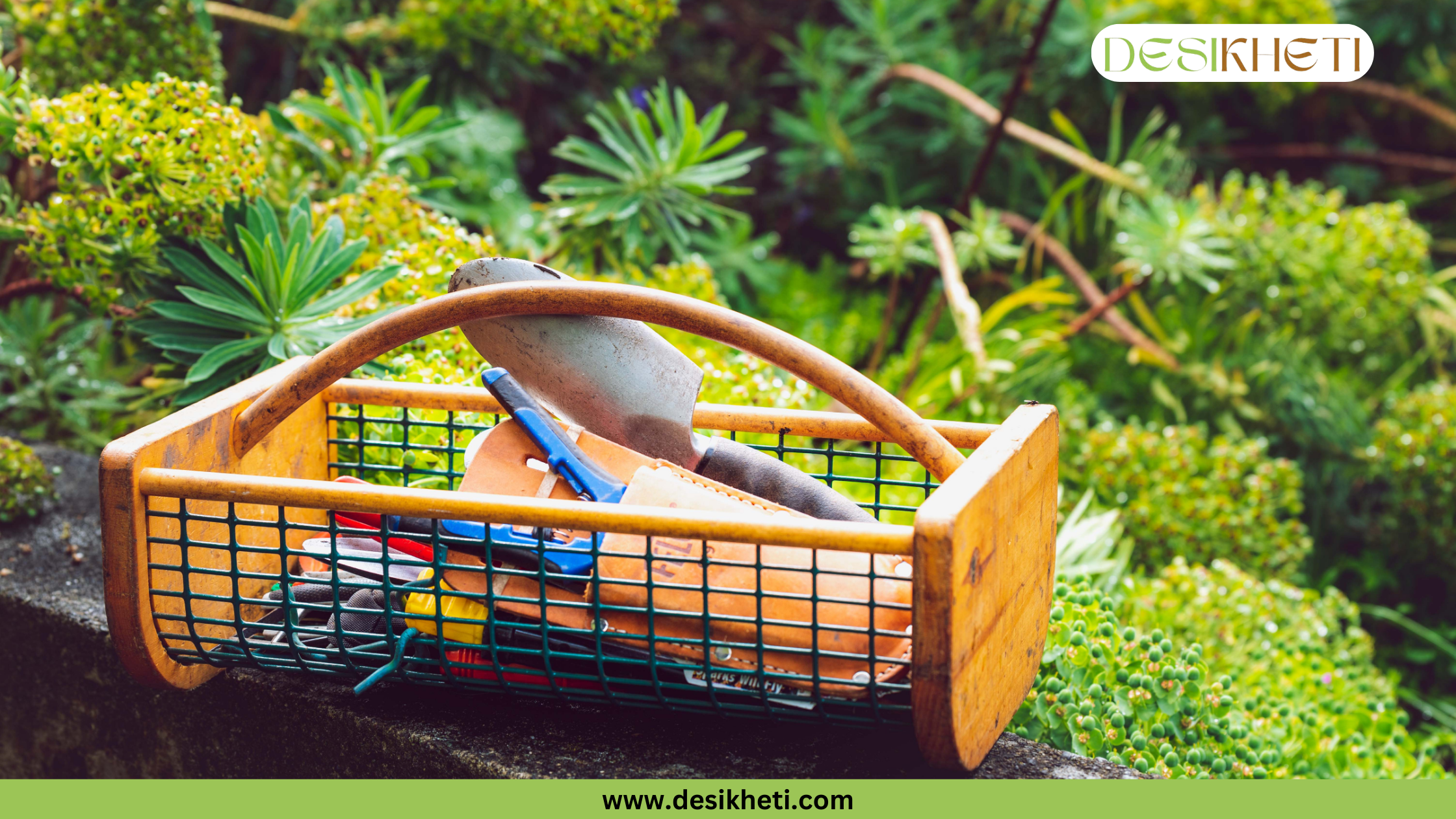
Always use a clean, sharp pair of secateurs or rose shears for cutting. Blunt or dirty tools can crush the stem and invite diseases. Wearing gloves is also recommended to protect hands from thorns.
2. Choose the Correct Stem
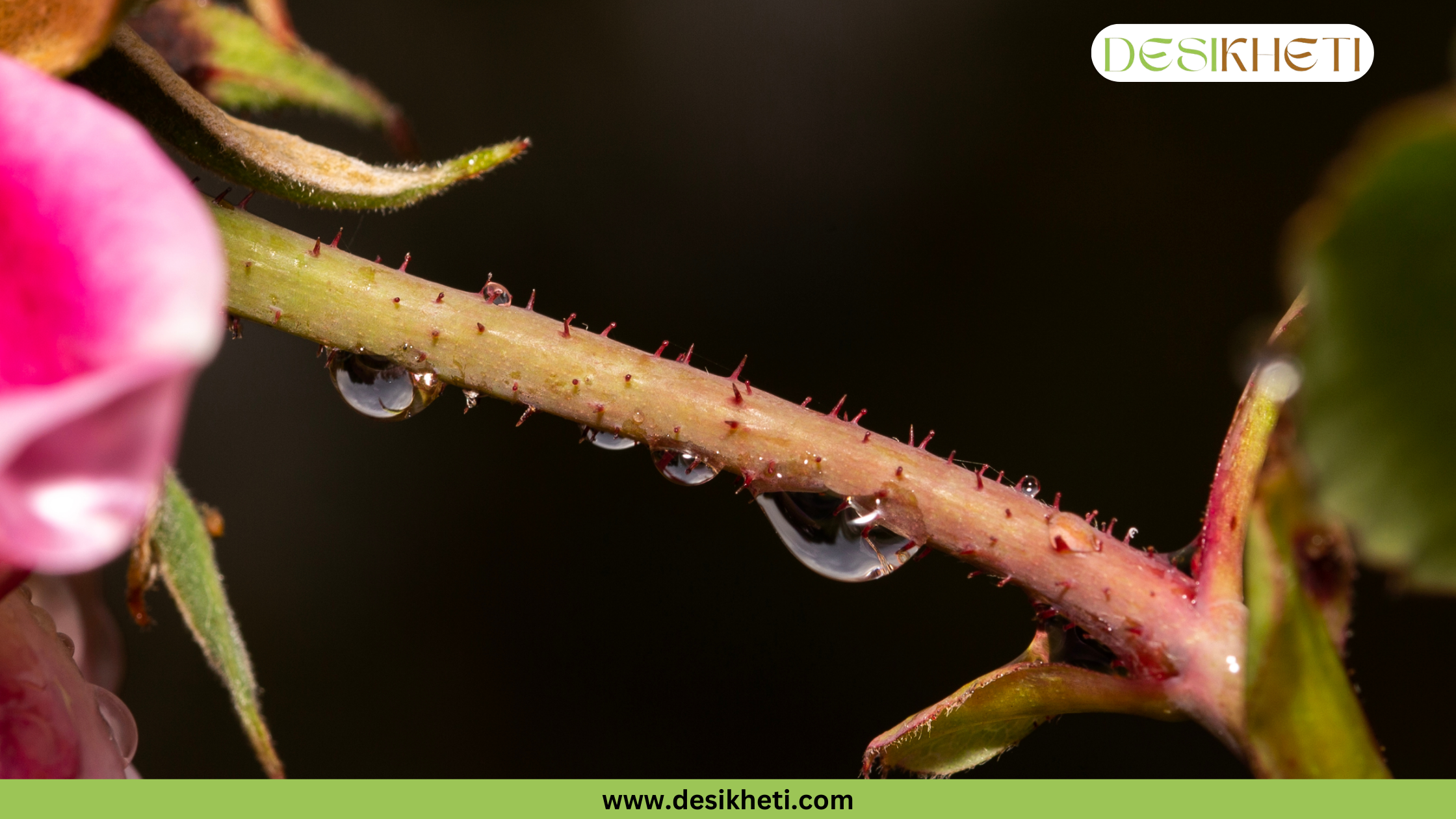
For cut roses, select strong and straight stems that are longer than the required length. Ideally, each stem should be at least 35 cm long and carry healthy green leaves to support post-harvest freshness.
3. Make the Right Cut
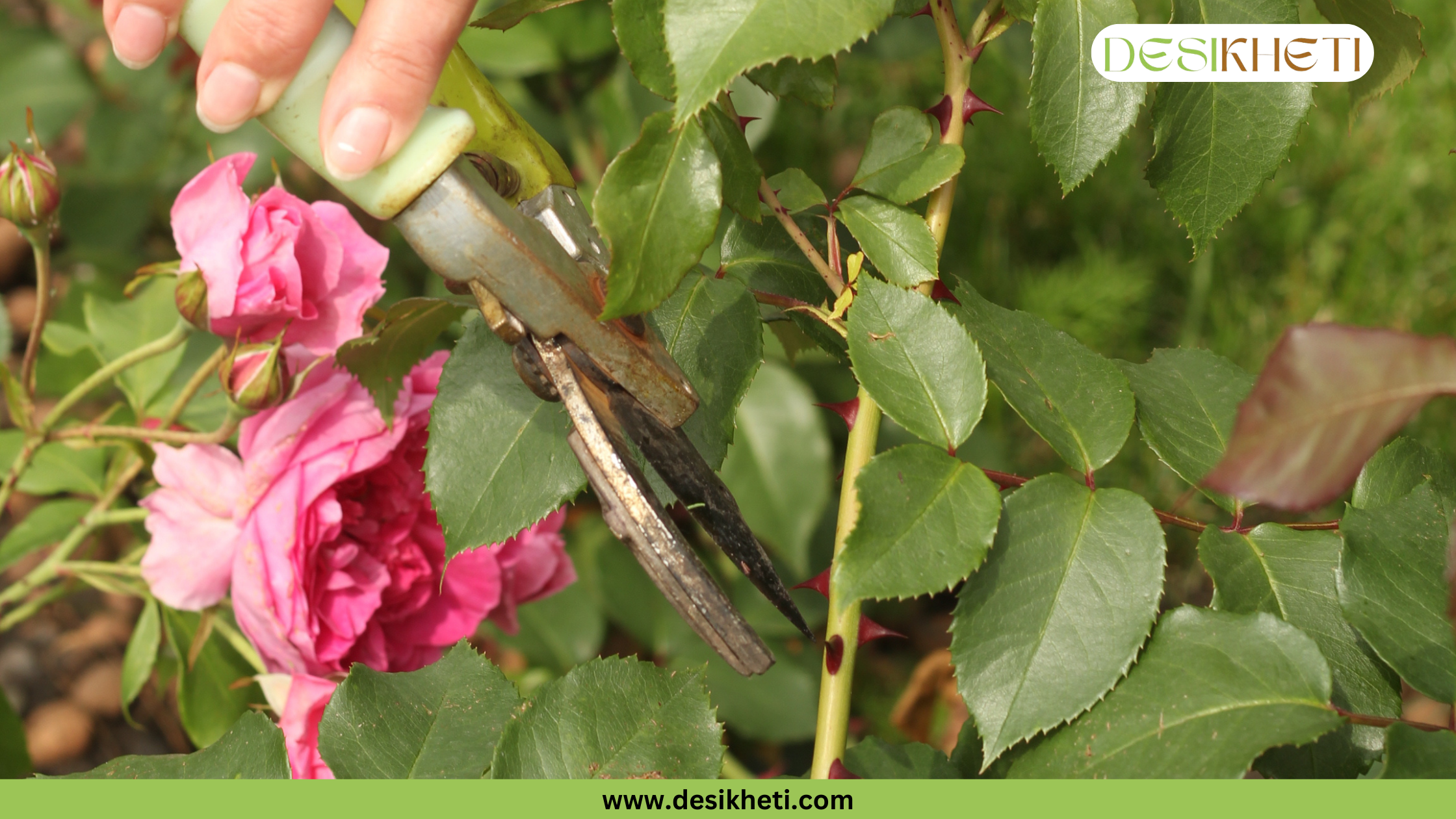
Cut the stem at a 45-degree angle just above a healthy outward-pointing bud.
Ensure that two five-leaflet leaves remain below the cut to encourage healthy regrowth.
Avoid cutting too close to the main stem or from weak parts of the plant.
4. Recutting
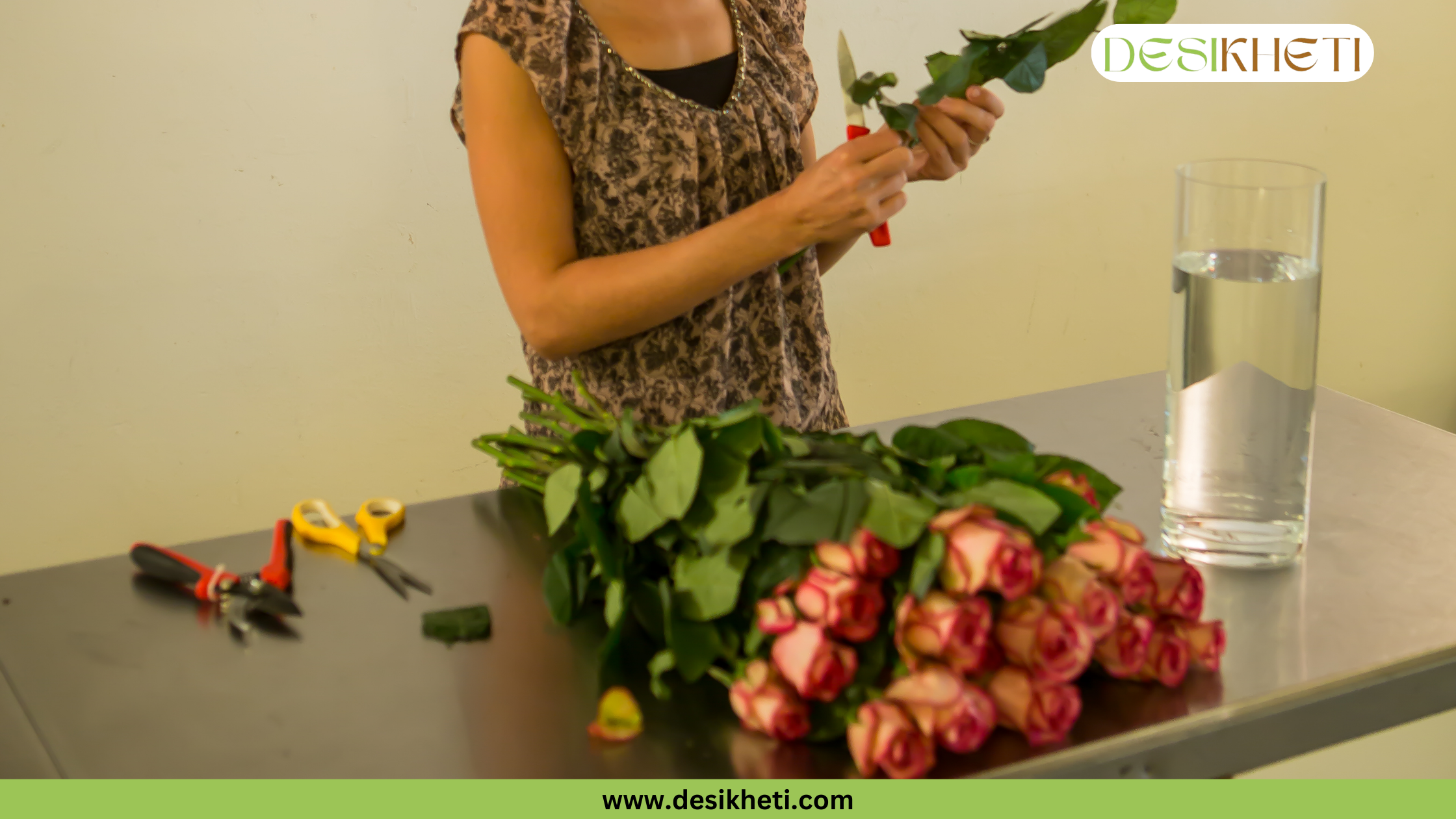
Immediately after harvesting, dip the cut stem in clean water up to the bud base. This prevents air from entering the stem and helps retain moisture. Later, recut the stem trimming about 2 cm above the original cut. This improves water uptake and keeps the flower fresh for longer. Gently place the harvested stems in a clean bucket of water to avoid wilting.
5. Handle with Care
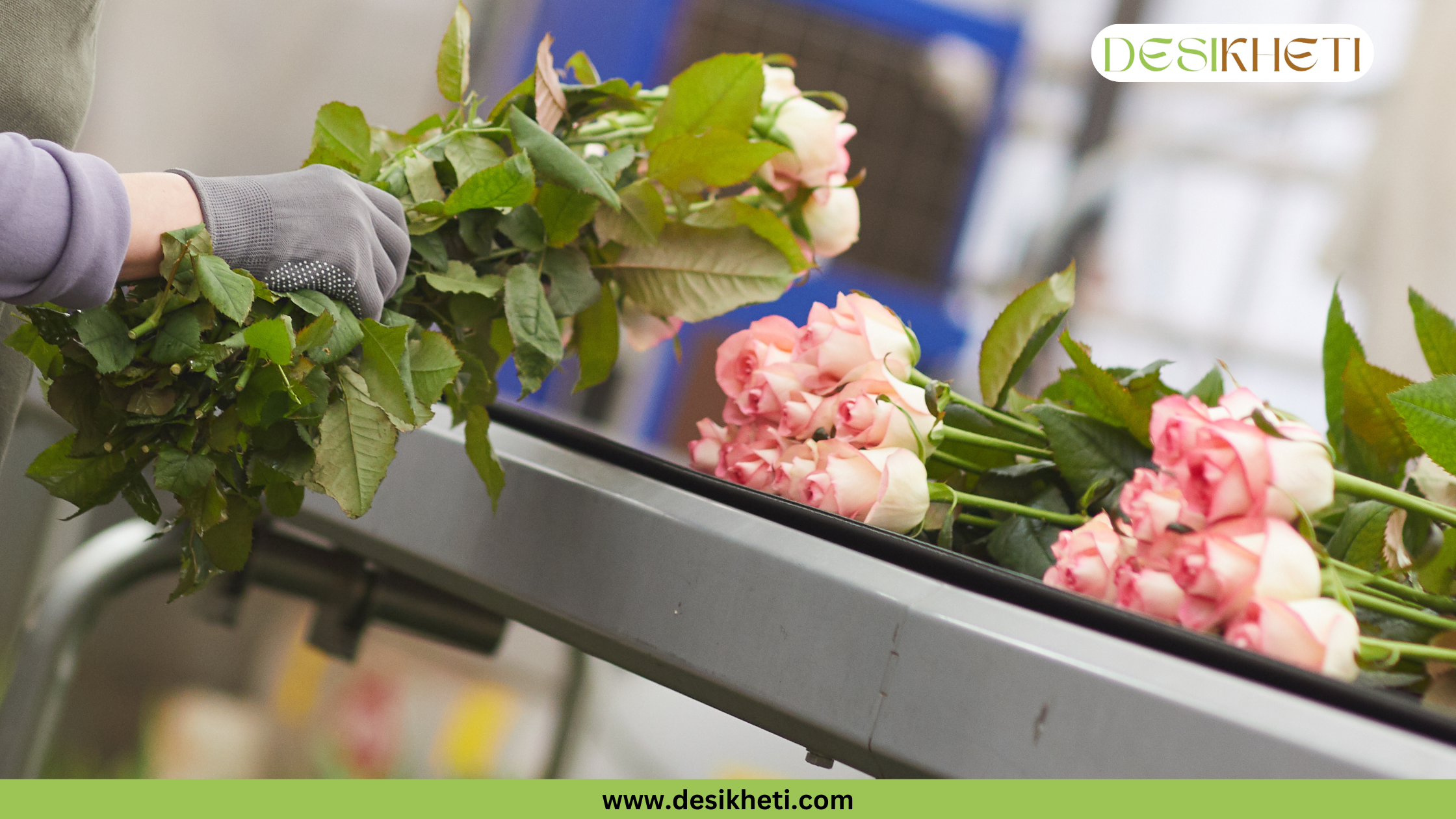
Handle the flowers carefully to avoid bruising the petals or damaging the buds.
Weather and Seasonal Considerations

The success of rose harvesting in India is closely linked to weather and seasonal factors. Roses are sensitive to high temperatures, humidity, and rainfall, which can directly affect flower quality, shelf life, and fragrance.
Best Season for Rose Harvesting

In most parts of India, winter and early spring (October to March) offer ideal conditions for rose harvesting. During these cooler months, rose buds develop slowly, allowing better color formation, tighter buds, and longer vase life. The low temperatures also help retain fragrance and reduce the risk of petal damage.
In regions with mild summers or high-altitude areas like parts of Himachal Pradesh and Karnataka, rose cultivation and harvesting may continue for a longer season. However, rose production tends to decline or suffer in peak summer months (April–June), especially in North and Central India, due to heat stress.
Timing of Daily Harvest
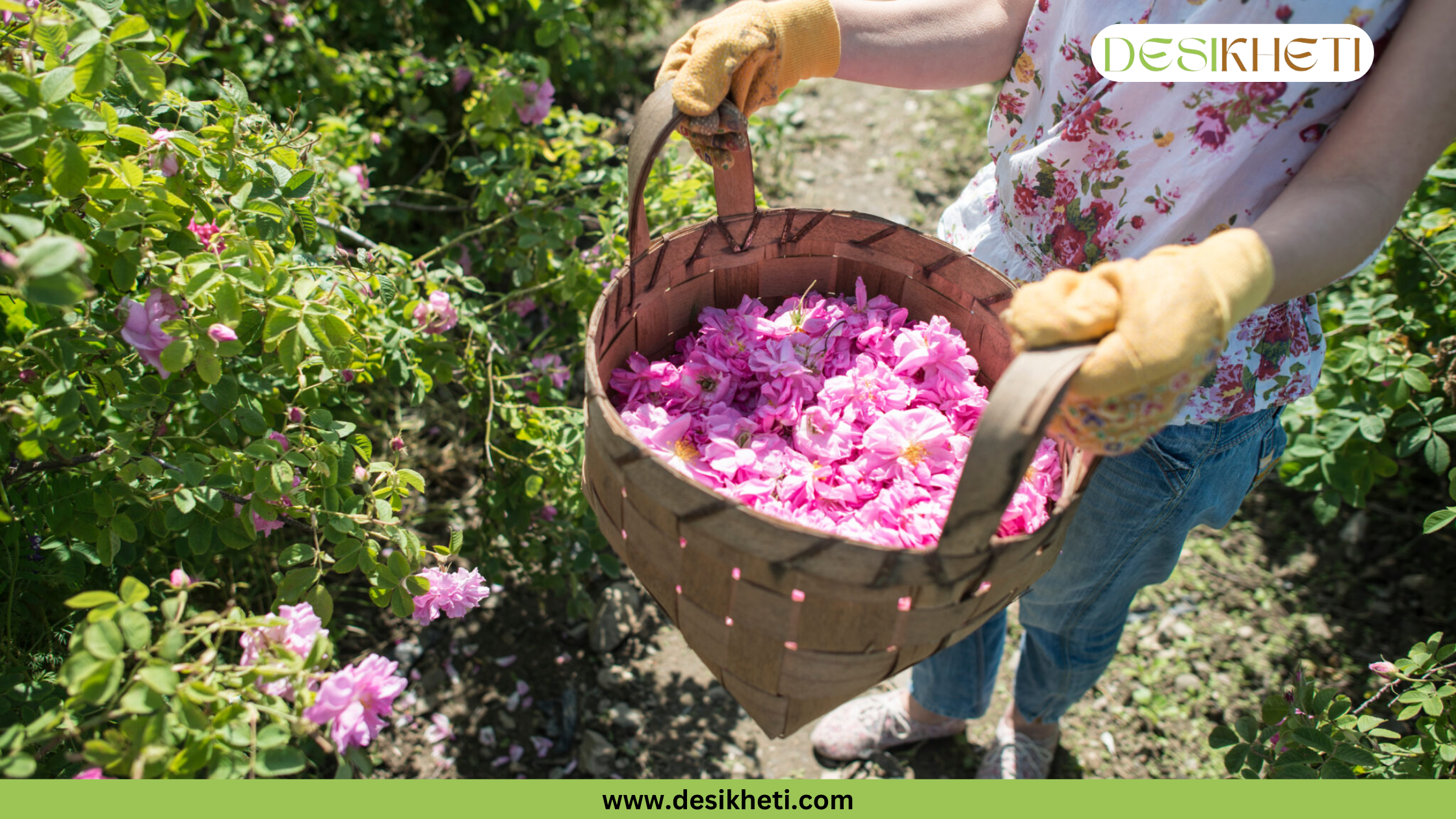
Avoid harvesting roses during the midday heat, especially in summer. High temperatures can cause:
- Buds to open prematurely
- Rapid moisture loss and wilting
- Decreased oil content in fragrant varieties
Instead, harvesting should be done early in the morning (before sunrise) when the temperature is low and flowers are hydrated, or in the late evening (after sunset) to prevent sun exposure and stress.
Monsoon Challenges
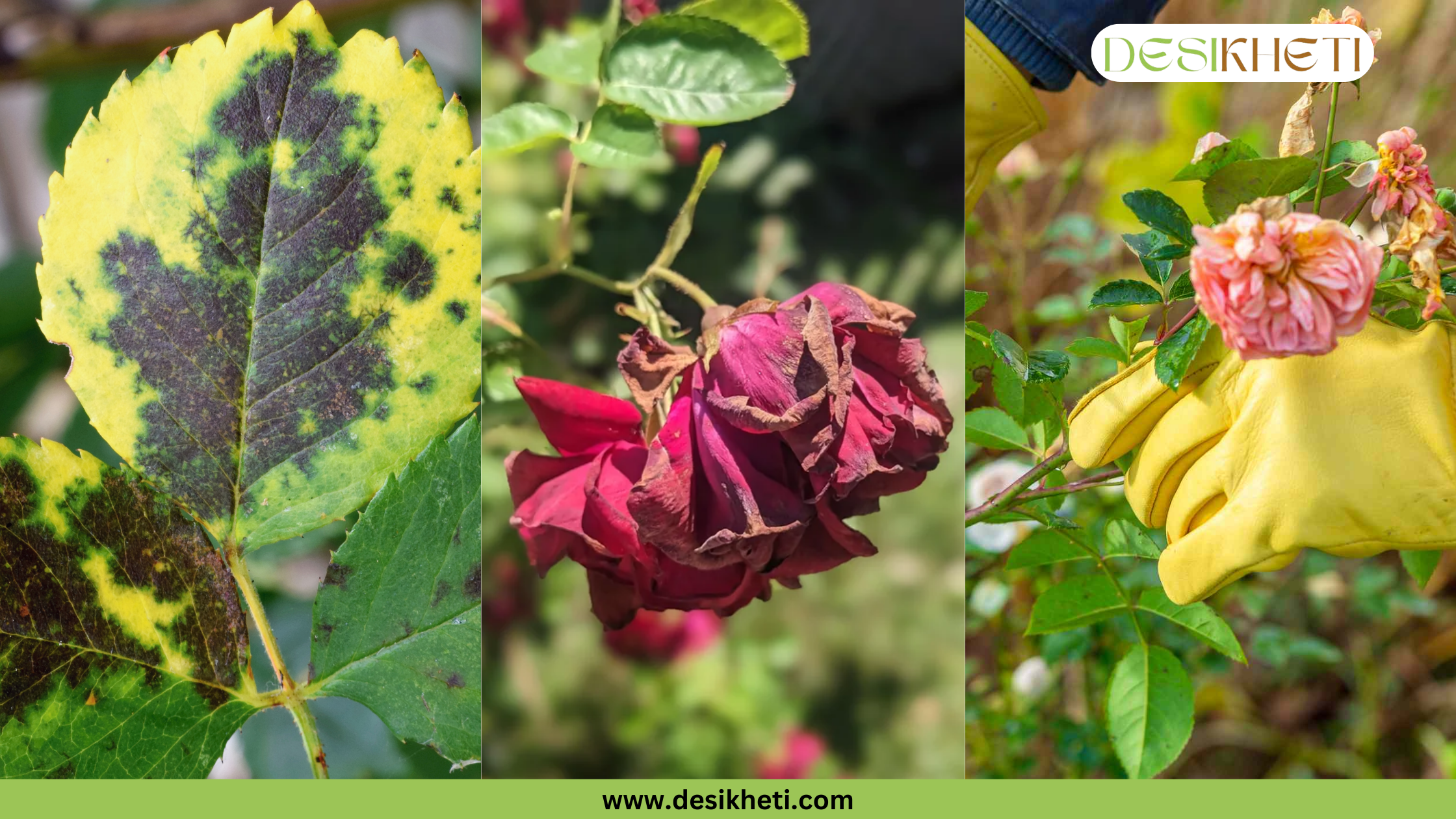
During the monsoon season, excessive rain and humidity may:
- Promote fungal diseases like black spot or botrytis
- Cause petal discoloration and physical damage
- Reduce flower shelf life
Post-Harvest Handling and Care
Proper post-harvest care of roses is essential to maintain their freshness, beauty, and market value. Once cut, roses are highly perishable and can lose quality quickly if not handled correctly. The following steps help in extending their vase life and keeping them fresh for transportation and sale.
1. Immediate Hydration

Soon after cutting, rose stems should be immediately dipped in clean water deep enough to cover the base of the bud. This helps prevent air bubbles from entering the stem, which can block water uptake and cause early wilting.
2. Recutting Stems in Water

Stems need to be recut underwater, about 2 cm above the original cut, to improve water absorption. This step is important because air often enters the cut end during handling, reducing the stem’s ability to take up water.
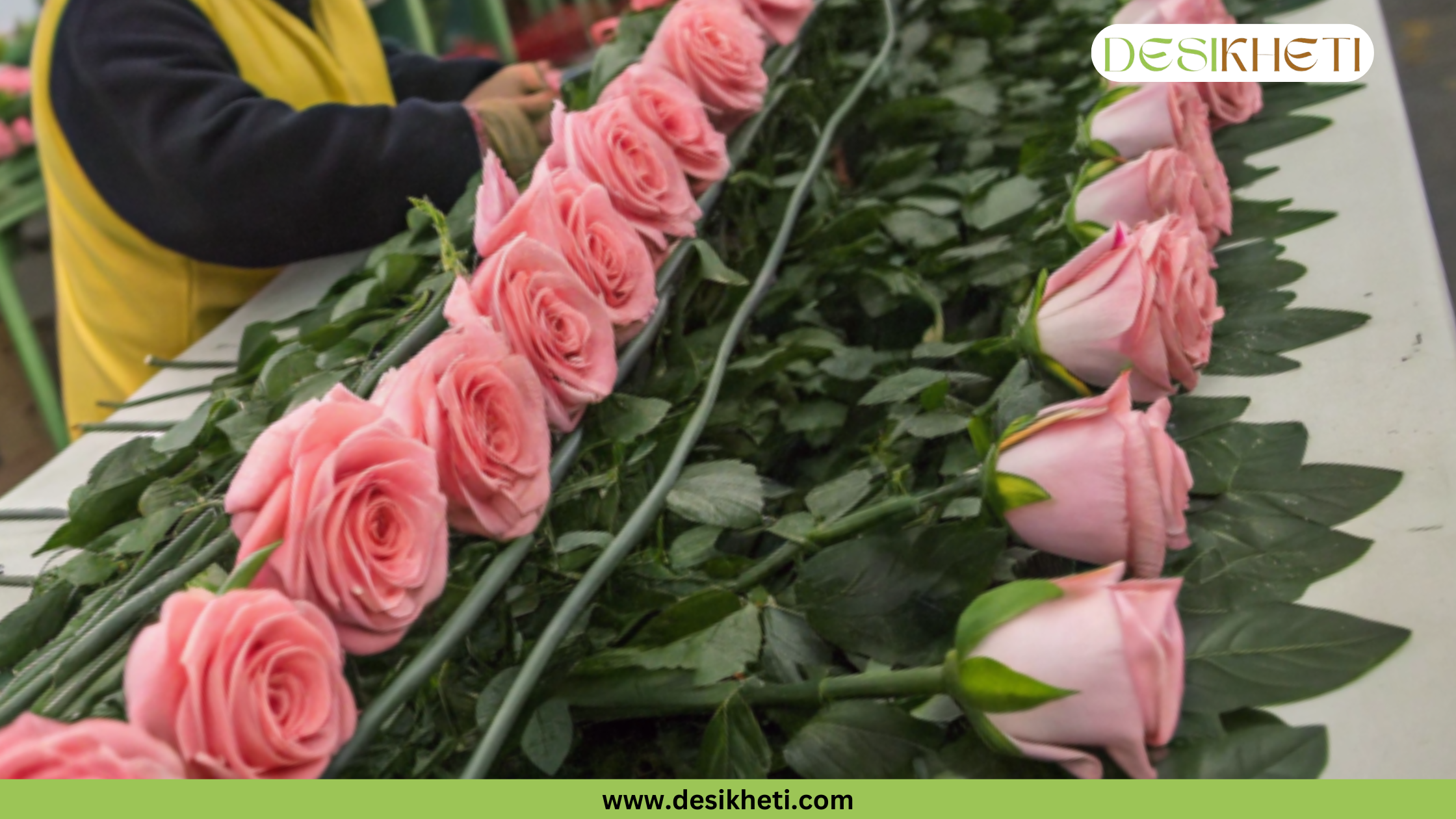
3. Sorting and Grading

Roses can be sorted and graded based on:
- Stem length
- Bud tightness and uniformity
- Leaf quality and absence of damage or pests
4. Clean Handling
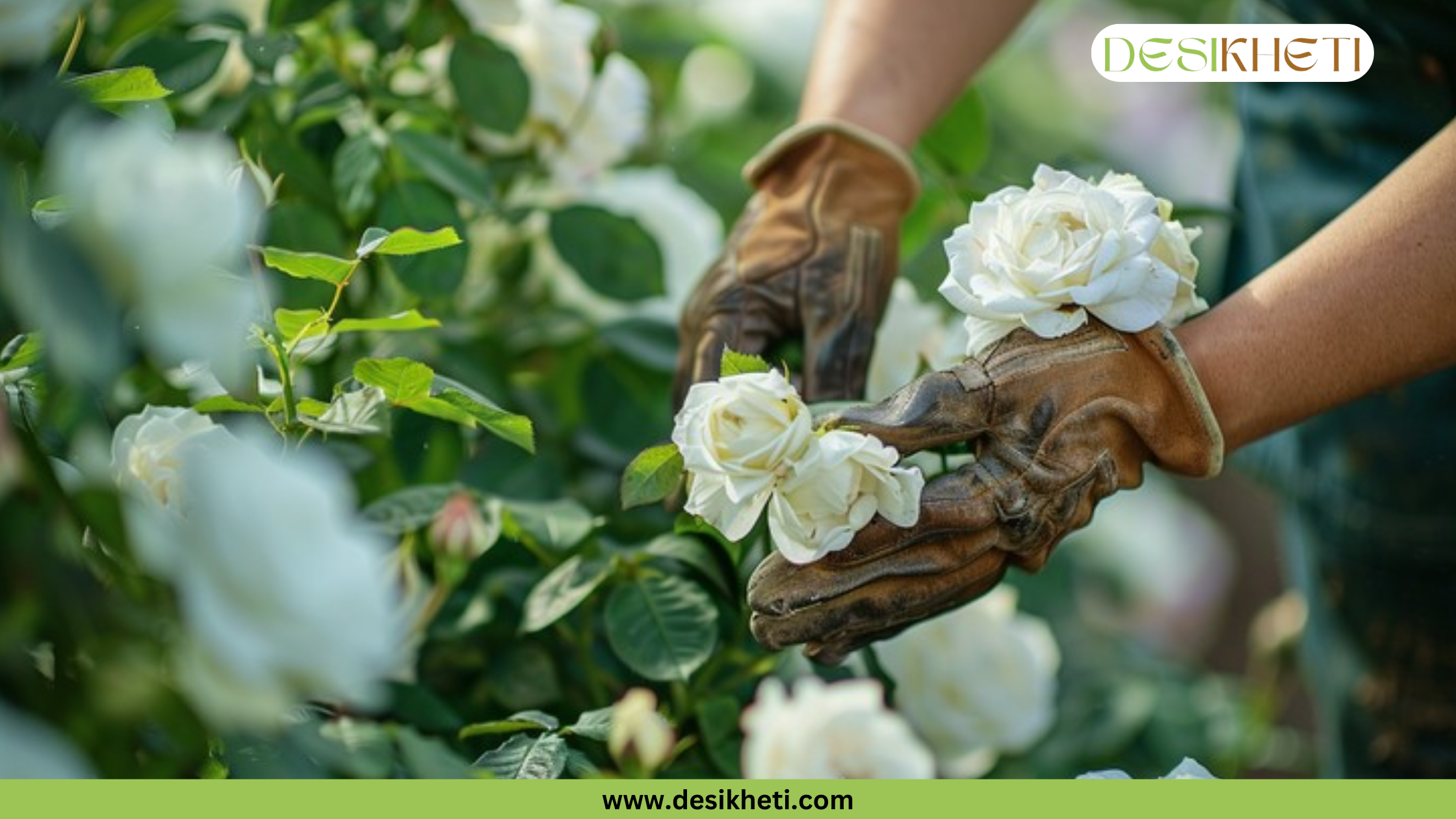
Use clean buckets, tools, and water to avoid bacterial contamination. Always wear gloves while handling flowers to avoid bruising or transferring diseases. Avoid stacking or pressing stems to prevent bending or crushing.
5. Pre-Cooling and Hardening
If flowers are not for immediate sale, they should be stored in a cool, dark, and humid place. Keep the stems in water and allow them to harden at a temperature of around 4.4°C to 7.2°C for about 6 to 12 hours, or at a suitable temperature and time. This process improves their keeping quality and prepares them for packaging or transport.
Storage and Transportation Tips
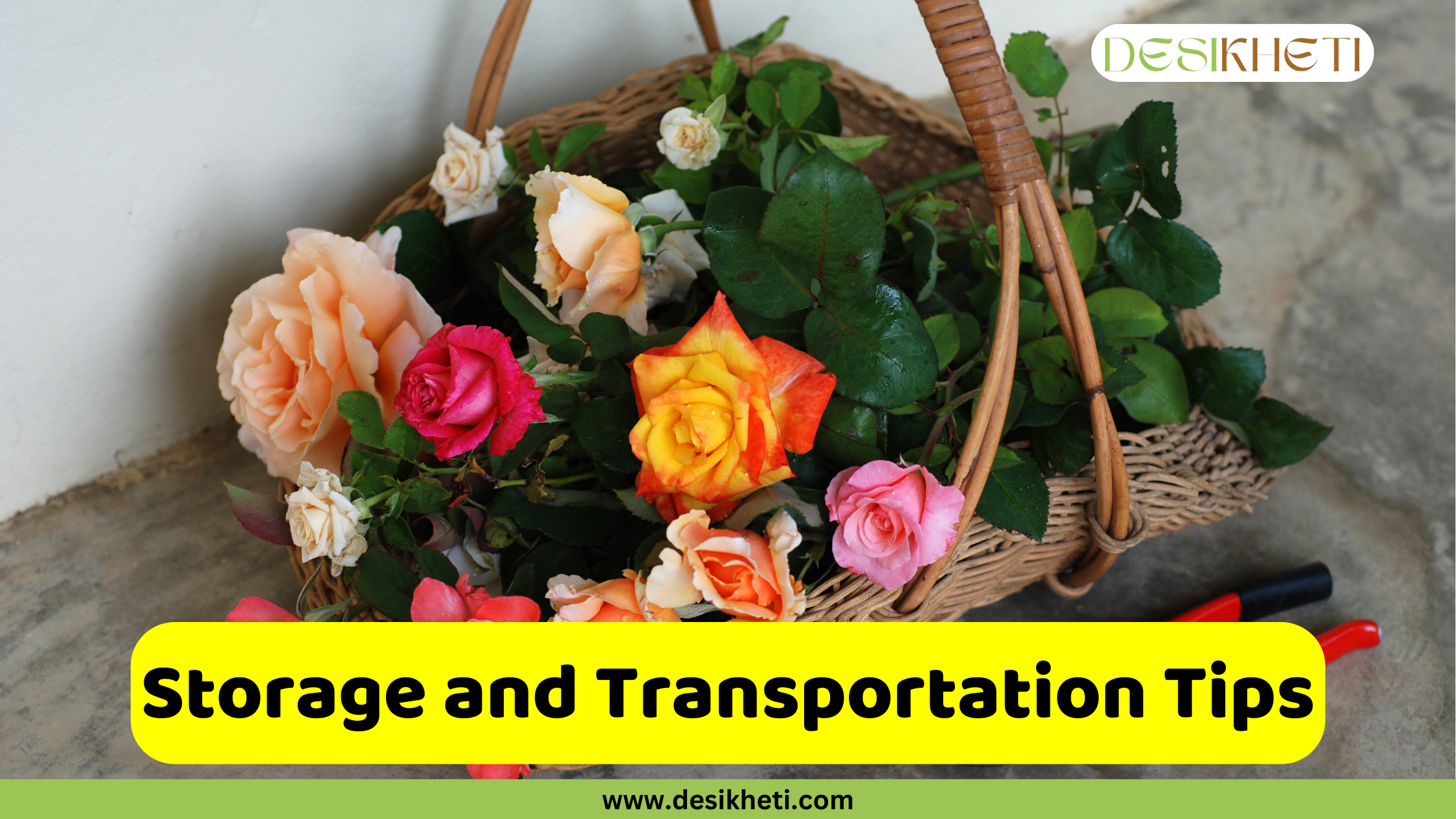
Once roses are harvested and properly handled, safe storage and careful transportation are the next critical steps to preserve their quality. Mishandling at this stage can result in petal bruising, wilting, or loss of fragrance, all of which reduce market value. The goal is to maintain freshness from the farm to the buyer.
1. Pre-Cooling Before Storage
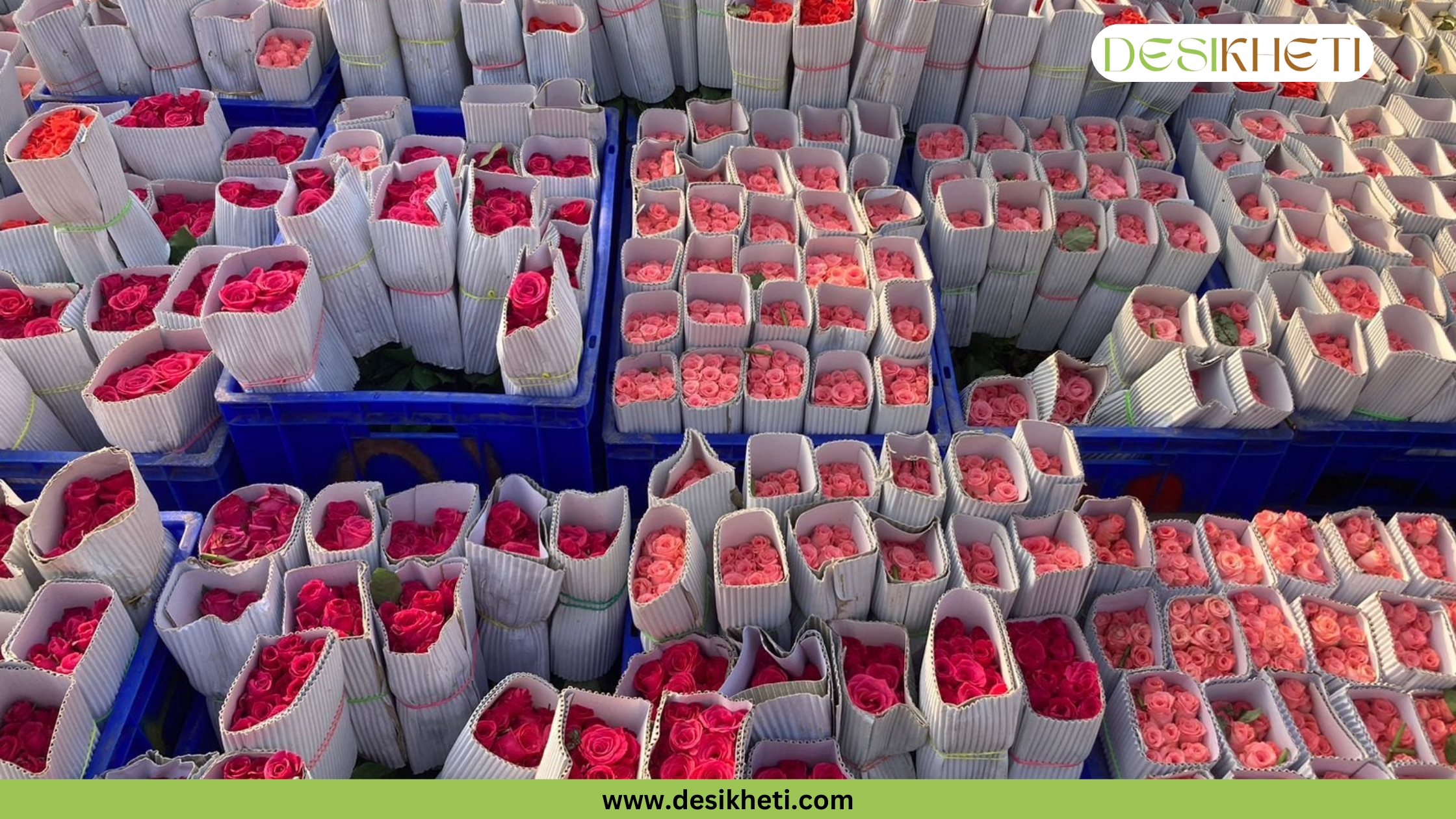
After post-harvest hydration and grading, roses should be pre-cooled to reduce field heat. This is best done by keeping the flower stems in clean water inside a cold room. Pre-cooling hardens the buds, increases vase life, and helps in long-distance transport.
2. Proper Packaging Methods
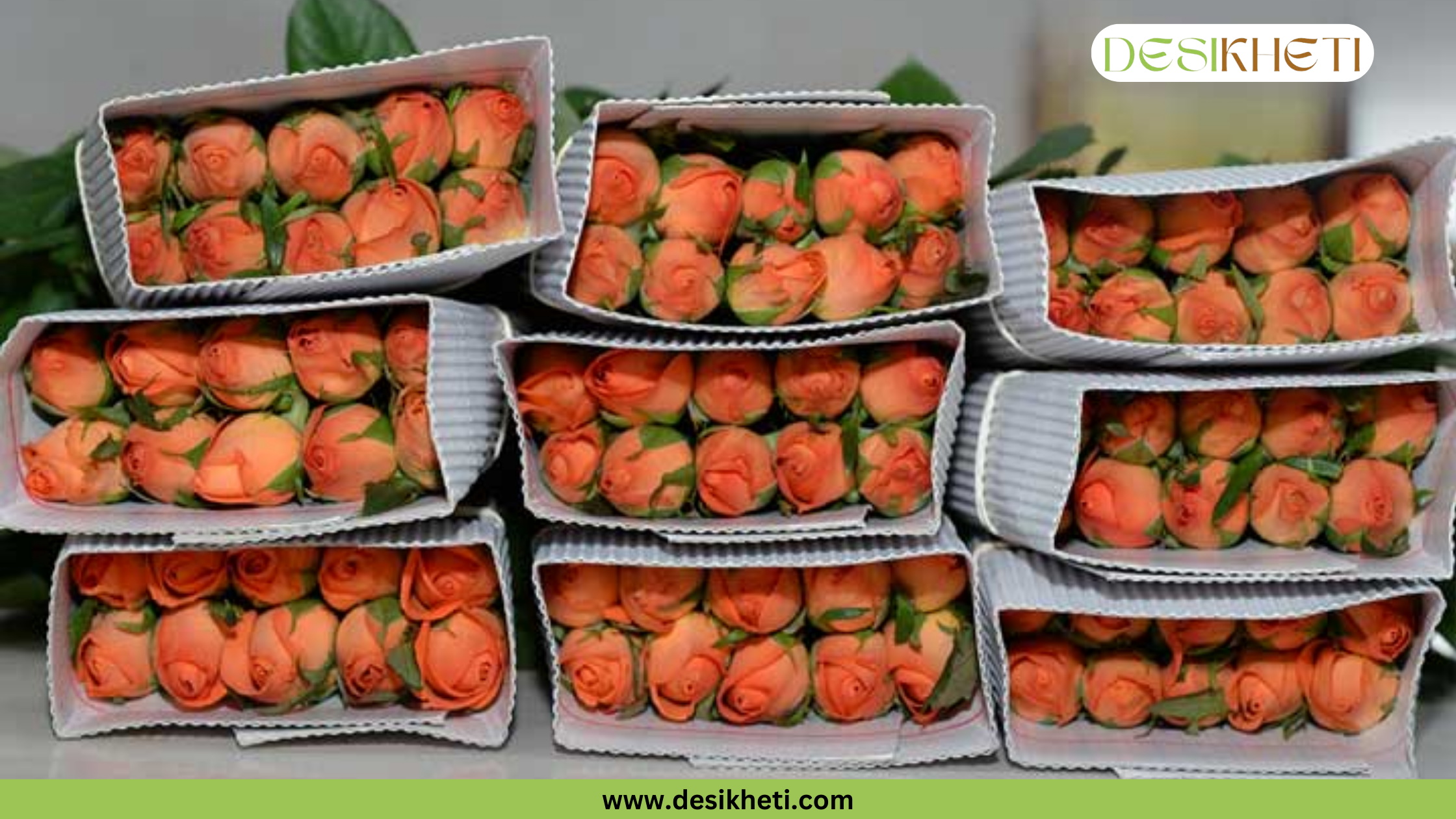
Use ventilated, moisture-proof cardboard boxes or corrugated fiberboard cartons for packing. Flowers should be:
- Bunched neatly (usually 20 or 25 stems per bunch)
- Wrapped in soft tissue or craft paper
- Placed upright or horizontally with buds facing one direction
- Provided with hydration pads or gel packs, if available, to maintain moisture levels inside the package
3. Transport Conditions
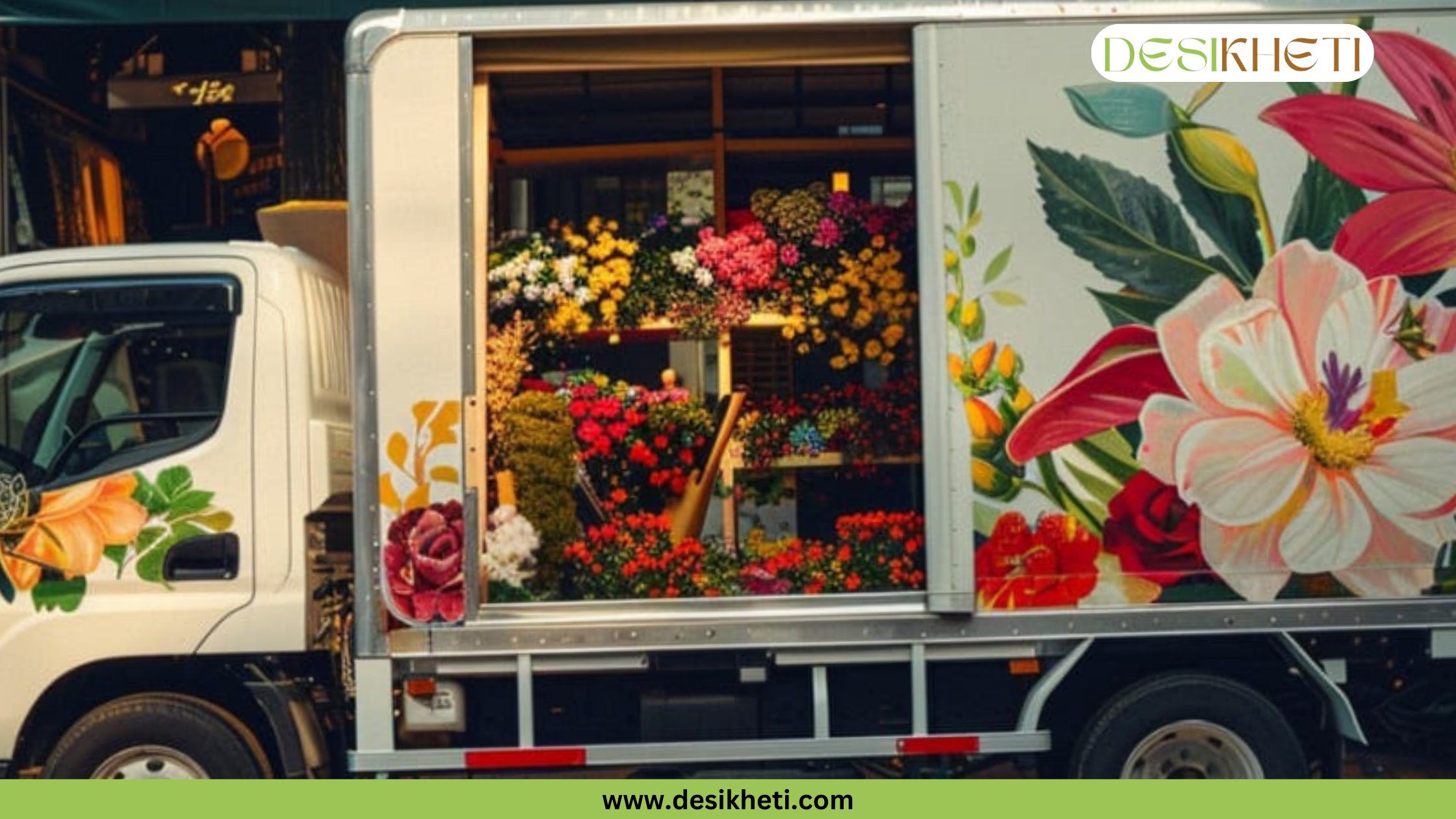
For best results, roses should be transported in refrigerated vans or cool boxes to maintain a steady temperature during transit.
If cold chain infrastructure is not available, transportation can be done as follows:
- During the night or early morning to avoid heat
- In covered, shaded vehicles with good ventilation
- With boxes arranged properly to avoid crushing
Harvesting roses is more than just cutting flowers; it is a careful process that affects both the plant’s health and the market value of the blooms. By following best practices harvesting at the right bud stage, using clean tools, maintaining proper hydration, and ensuring appropriate storage and transportation farmers can increase vase life, improve flower quality, and maximize profits.
Adopting these methods allows growers in India to consistently produce premium roses, meet market demand, and enhance income, making rose cultivation a rewarding and sustainable venture.
FAQs on Harvesting Roses in India
1. At what stage is a rose harvested?
A. Roses are harvested at the tight bud stage for cut flowers purpose.
2. Which season is best for rose cutting?
A. The cool and dry season is ideal for harvesting roses, as it ensures better flower quality and vase life.
3. What is the best month for roses?
A. In India, roses bloom best during the winter months from November to February.
4. How do you transport fresh roses?
A. Roses are transported in refrigerated vans or insulated boxes with hydration packs to maintain freshness.
5. What is post-harvest handling of flowers?
A. Post-harvest handling includes all practices to maintain freshness and quality after cutting.
