Table of Contents
Introduction
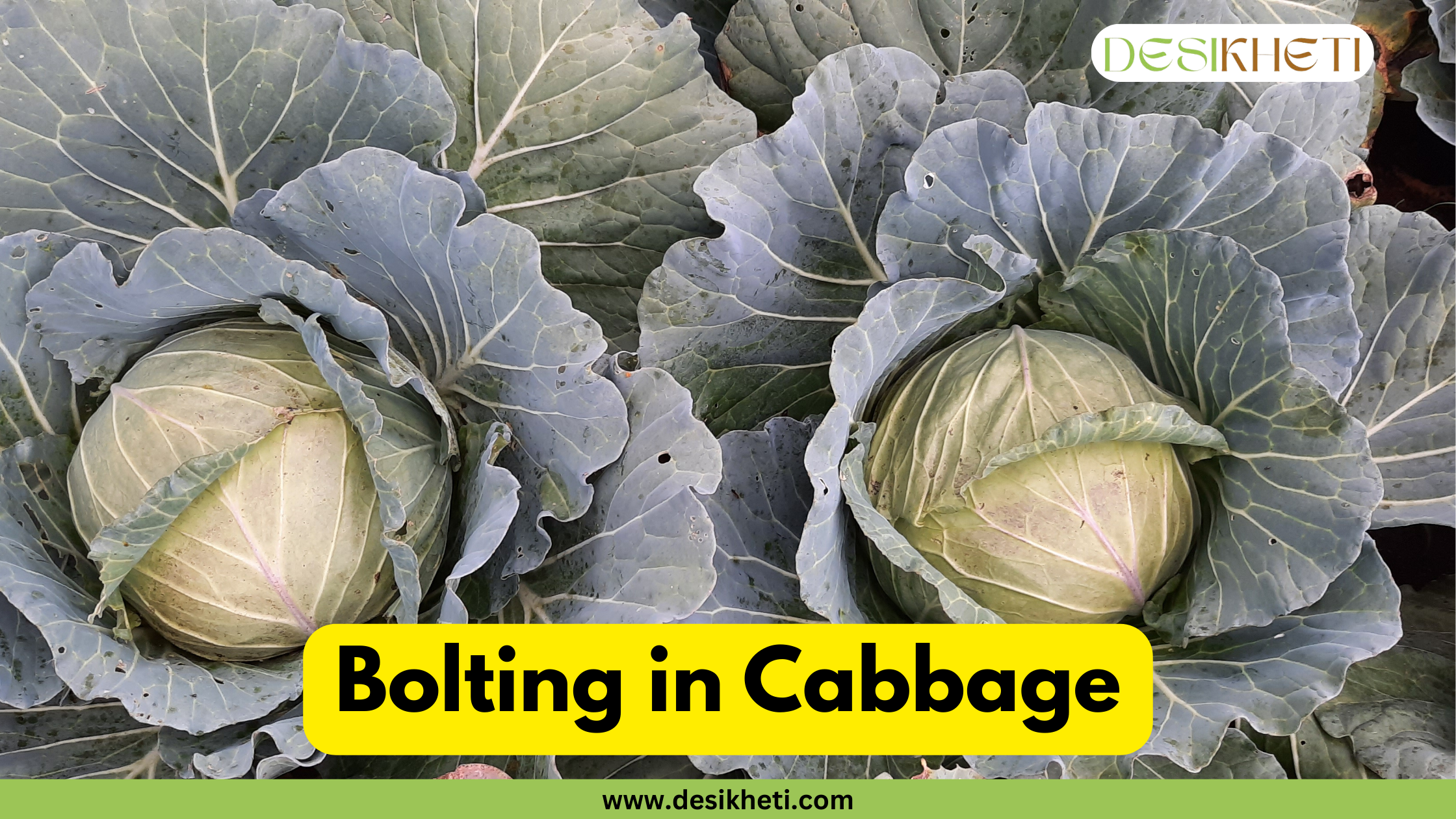
Cabbage is one of the most important winter vegetables grown by Indian farmers for both domestic consumption and market sale. A healthy cabbage plant develops a compact and solid head, which determines its market value. However, sometimes farmers notice that instead of forming a proper head, the plant suddenly produces a tall flowering stalk. This condition is called bolting.
Are you experiencing cabbage bolting? Don’t worry, you are at the right place. In this blog, we have clearly explained the causes, effects, and prevention tips of bolting in cabbage.
So, without further delay, let’s dive into the blog.

What is Bolting in Cabbage?
Bolting in cabbage refers to the premature formation of a seed stalk before the head is fully developed. In simple words, bolting means the cabbage plant starts making flowers and seeds too early instead of forming a proper, tight head. It results in poor head quality, reduced yield, and financial loss for farmers.
Bolting is mainly caused by factors such as early sowing, warm winters, sudden temperature changes, weak seeds, poor soil health, and improper crop management. Understanding these causes is crucial so that farmers can take the right measures to prevent bolting and ensure a profitable cabbage harvest.
Causes, Effects, and Prevention Tips of Bolting in Cabbage
Early Sowing
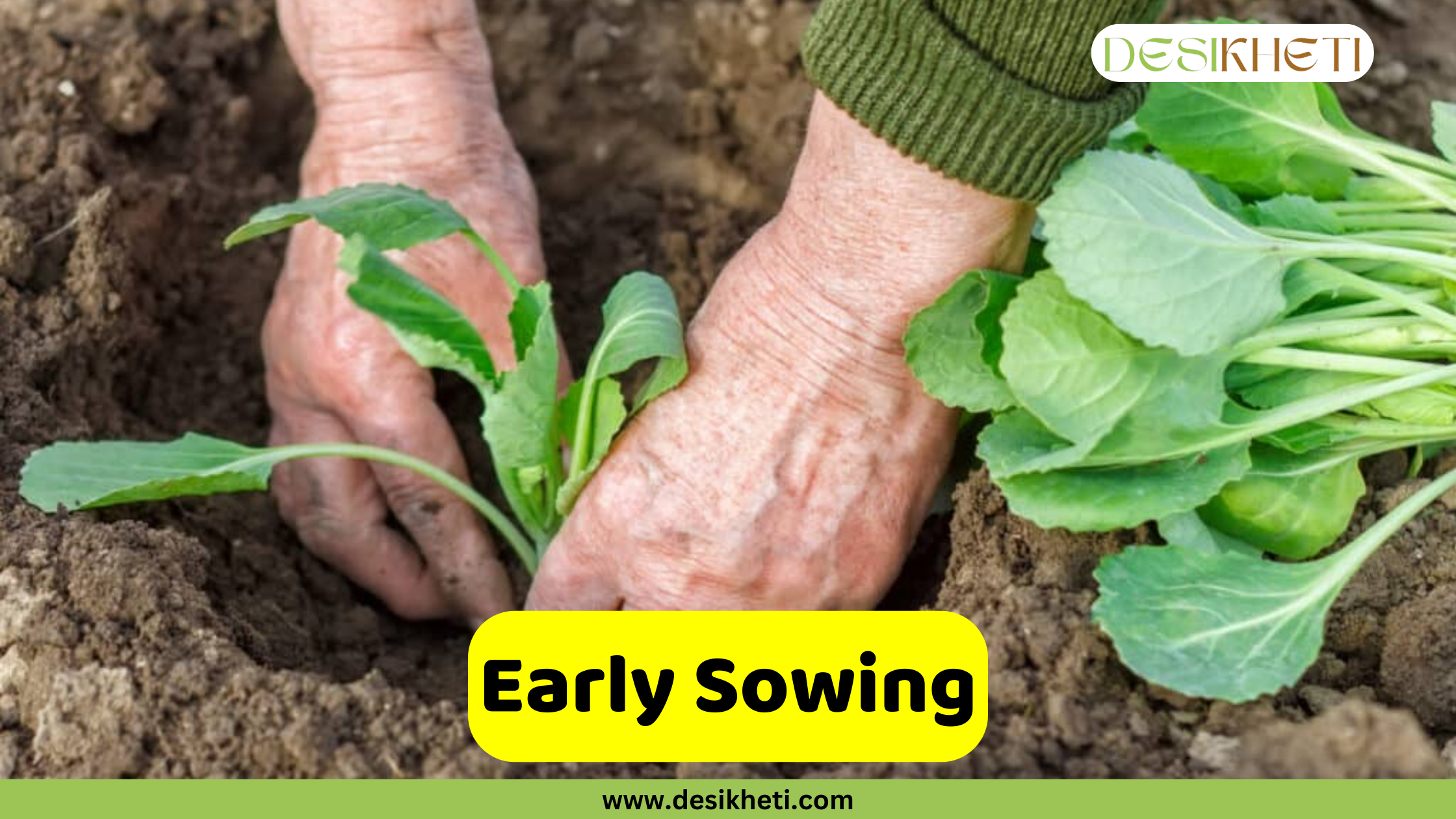
Sowing cabbage seeds too early can expose seedlings to conditions that favor premature bolting. Early sowing often coincides with shorter days or lower temperatures, which can stress the plant and trigger early flowering before proper head formation. Cabbage is sensitive to day length and temperature, so timing is crucial to avoid bolting.
Signs of early sowing stress include:
- Slow growth of seedlings
- Elongated stems or loose leaves
- Early initiation of flower buds
To reduce the risk:
- Follow the recommended sowing calendar for your region
- Use short-duration varieties if early sowing is unavoidable
- Protect seedlings from cold snaps with mulch or shading
Warm Winter
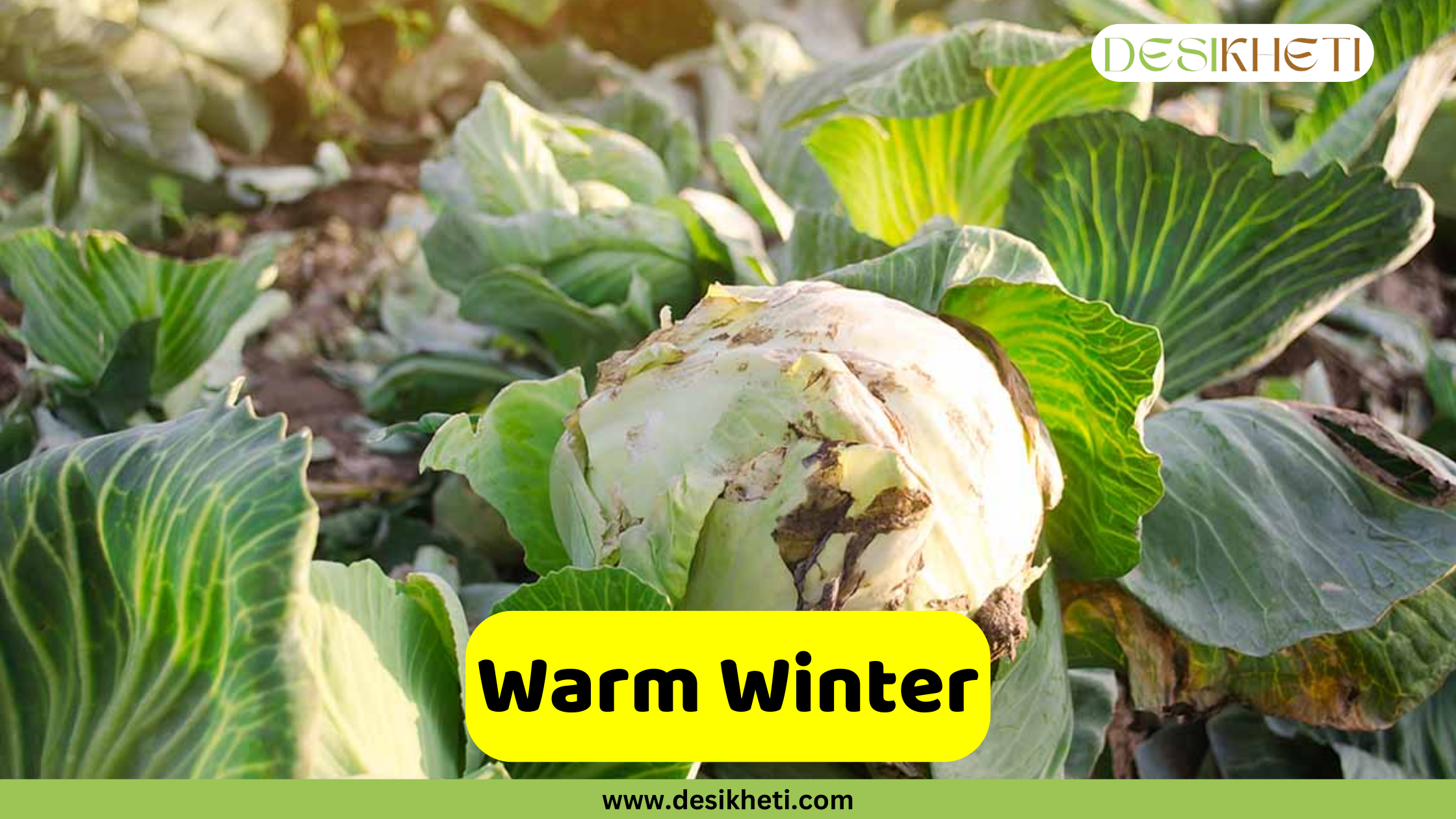
Cabbage prefers cool weather for proper head formation. Unseasonal warmth during winter can accelerate growth and cause the plant to bolt. Warm winter conditions disturb the natural growth cycle and force the plant to flower prematurely.
Signs of unseasonal heat stress include:
- Rapid elongation of the stem
- Leaves becoming loose and spread out
- Early formation of flower buds
To reduce the risk:
- Provide shading or protective cover during warm spells
- Maintain adequate soil moisture to reduce heat stress
Extreme Temperature Changes
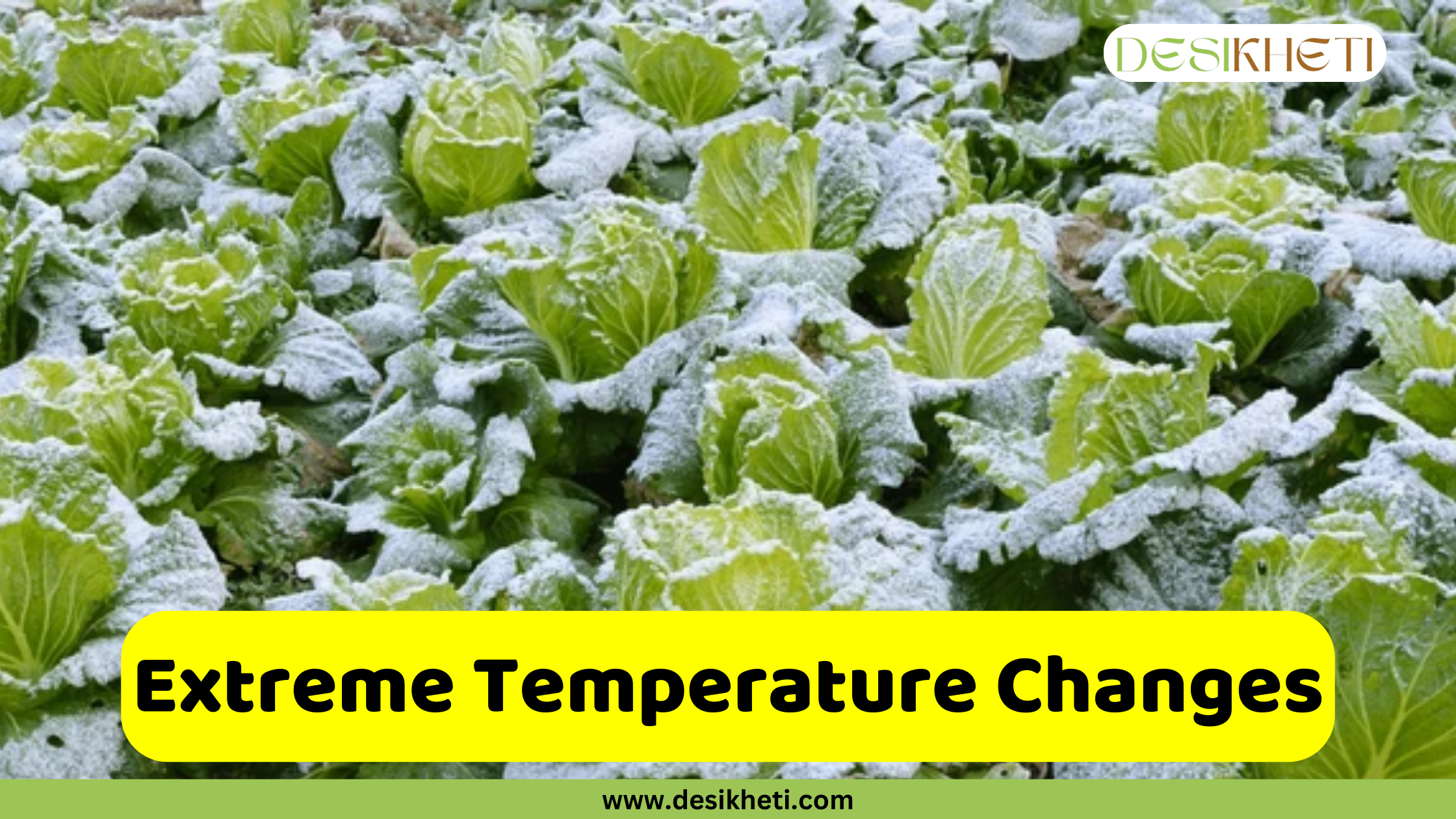
Sudden fluctuations in temperature, such as alternating hot days and cold nights, can shock cabbage plants. These temperature swings interfere with normal growth and may trigger premature flowering, especially in young or sensitive plants.
Signs of temperature shock include:
- Wilted or discolored leaves
- Stunted growth followed by rapid stem elongation
- Early flower bud formation
To reduce the risk:
- Monitor weather forecasts and plant accordingly
- Transplant seedlings when temperatures are stable

Weak Seedlings
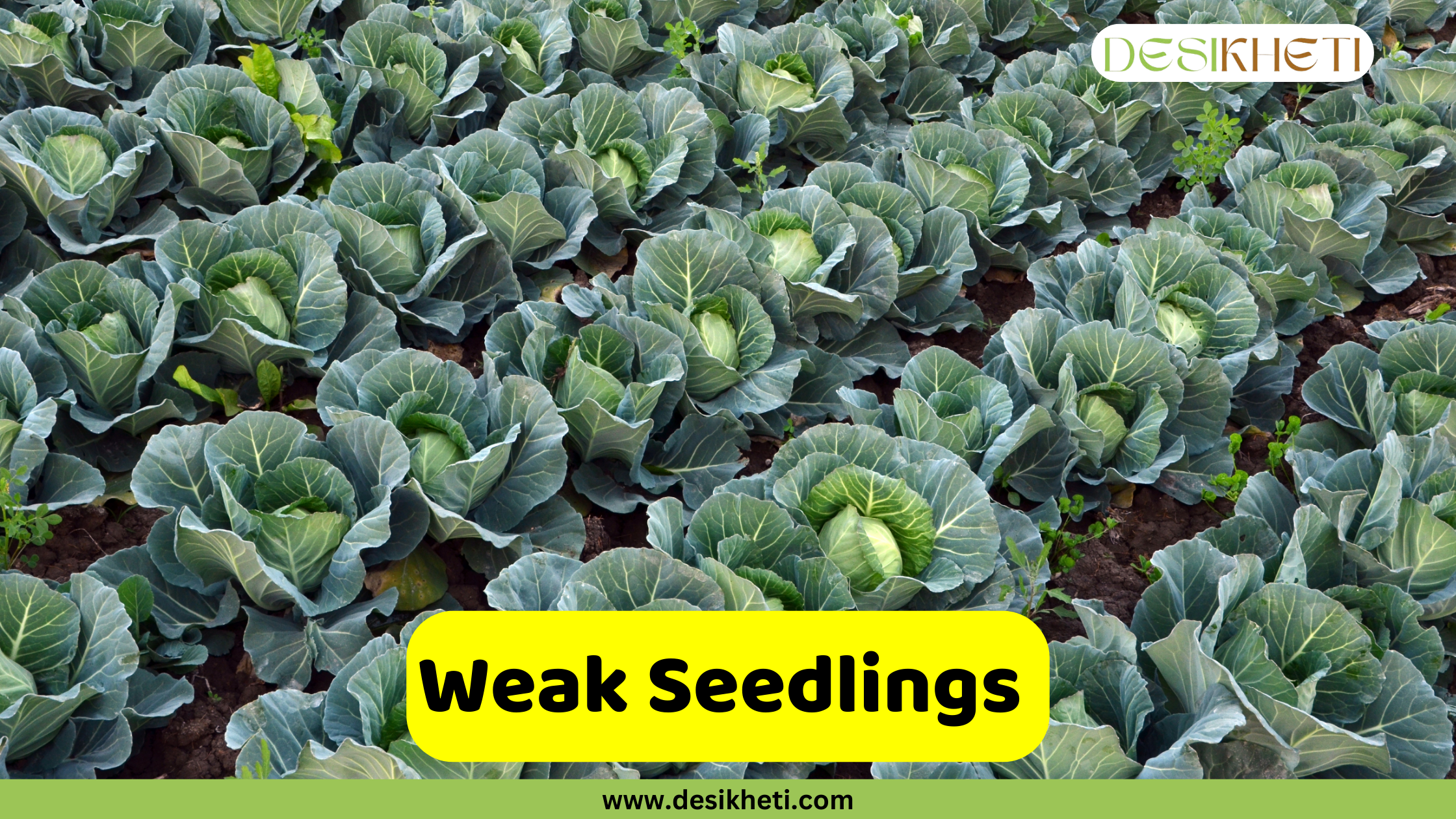
Cabbage seedlings that experience stress or growth checks in the nursery bed may bolt after transplanting. Factors such as poor watering, nutrient deficiency, overcrowding, or pest attack can weaken seedlings and disrupt their development, leading to early flowering once transplanted.
Signs of weak seedlings include:
- Thin, spindly seedlings with small leaves
- Slow recovery after transplanting
- Early flower initiation post-transplant
To reduce the risk:
- Ensure uniform watering and nutrition in the nursery bed
- Avoid overcrowding of seedlings
- Harden seedlings before transplanting
Poor Quality Seeds
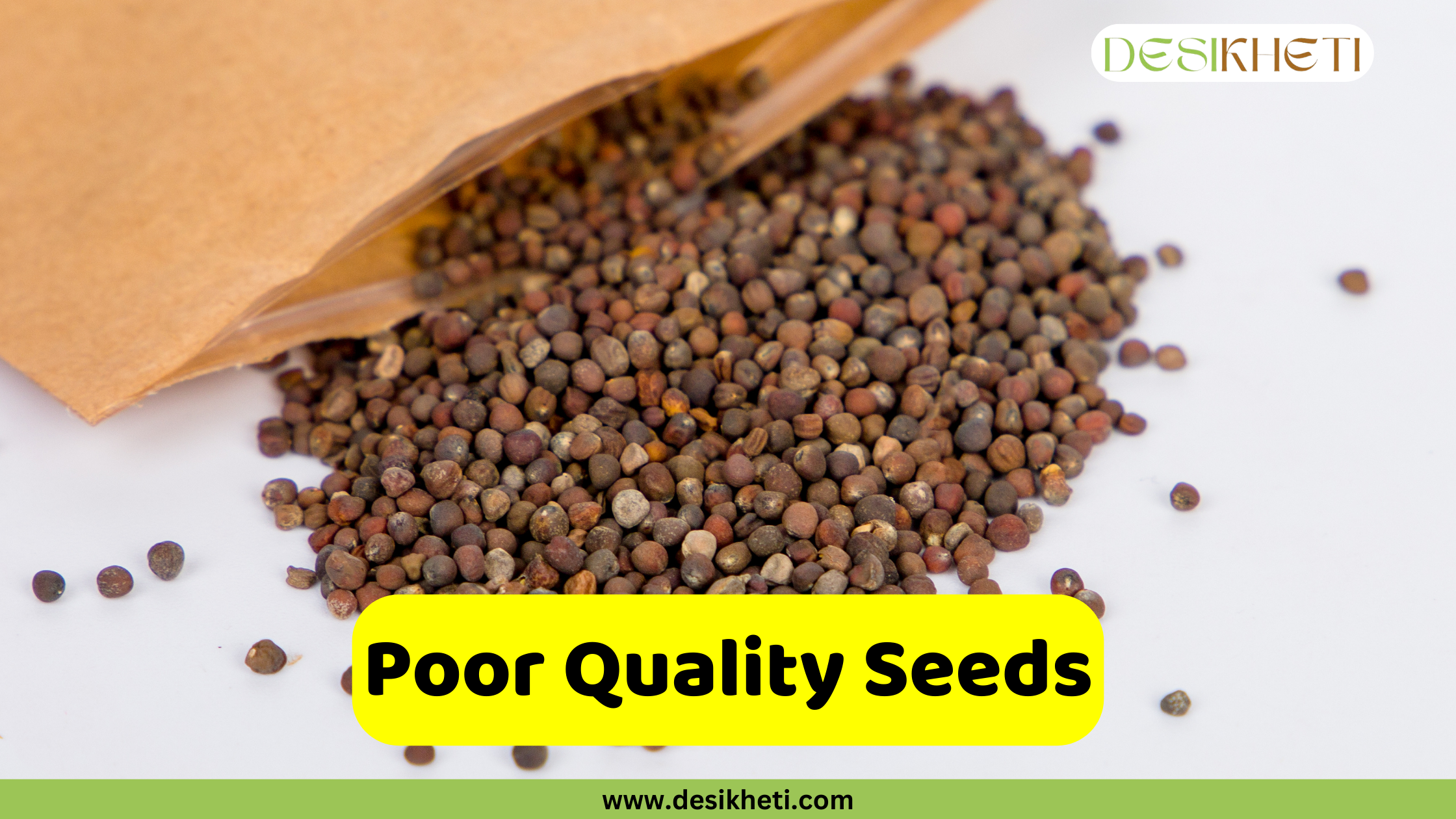
Using poor-quality or old seeds with low viability is another reason for bolting in cabbage. Seed viability refers to the ability of a seed to germinate properly and grow into a healthy plant. When seeds are old, damaged, or not stored properly, they often produce weak and unhealthy seedlings, which are more likely to bolt before forming a proper cabbage head.
Poor seed viability can result from:
- Storing seeds in hot and humid conditions
- Buying unverified or unbranded seeds from unreliable sources
To avoid this problem:
- Always use certified, high-germination seeds
- Check the expiry date and source before purchase
- Store seeds in a cool, dry place
Looking for the Best Cabbage Seeds? Desikheti has a wide range of quality cabbage seeds from top brands. Check our cabbage seeds collection here, place your order online, and get the seeds delivered to your home.
Nutrient-deficient soil
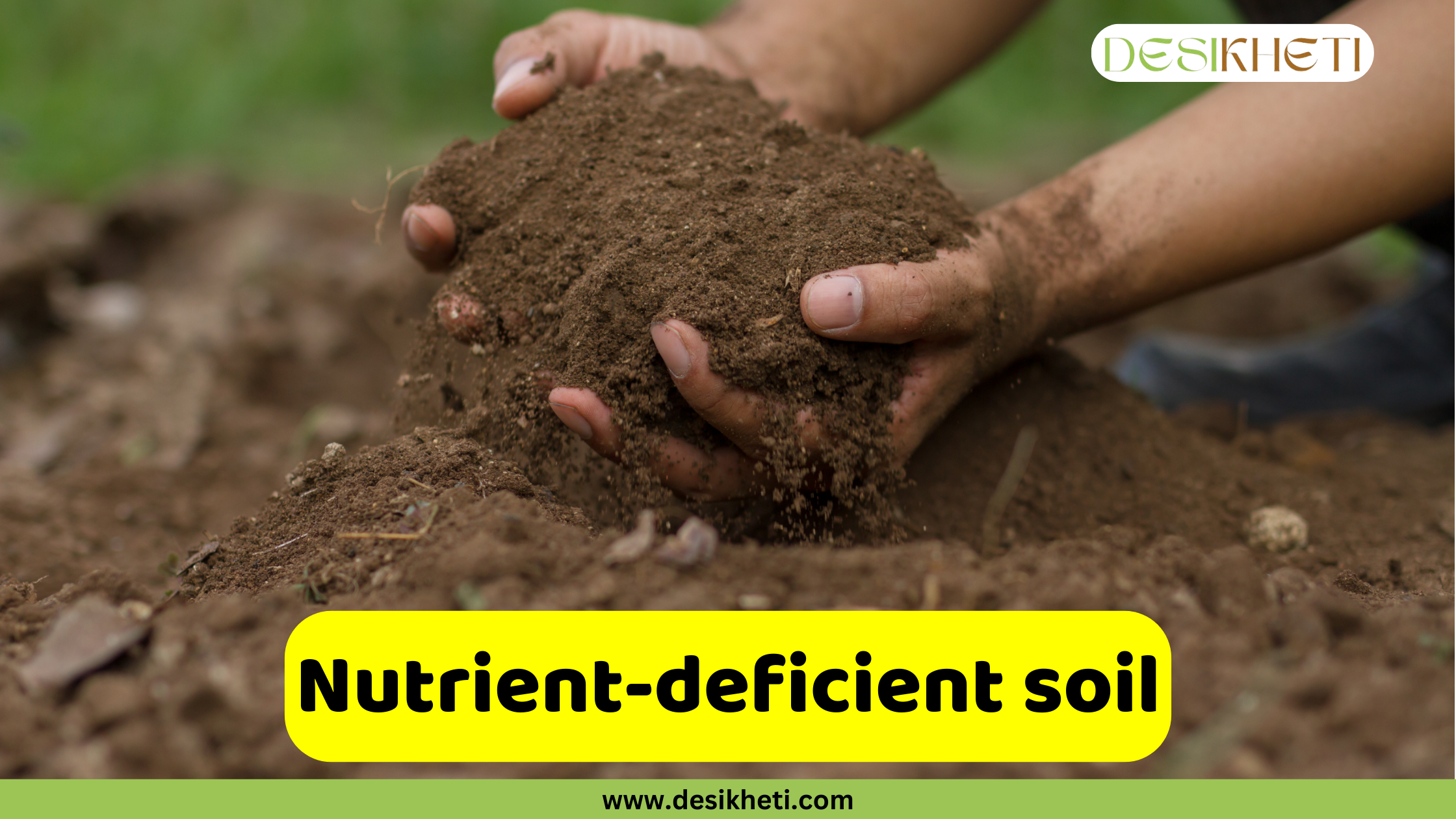
Poor soil conditions are a major reason for bolting in cabbage, especially in fields where the soil is low in fertility, too acidic or alkaline, or lacks organic matter. Cabbage is a heavy feeder and needs fertile, well-drained soil with good structure for proper growth. If the plant does not get enough nutrients or faces stress from compacted or dry soil, it may skip head formation and go into early flowering.
Signs of poor soil include:
- Yellowing or slow growth of seedlings
- Cracked, hard, or waterlogged fields
- Lack of proper NPK balance
To reduce the risk:
- Prepare the soil well with ploughing and organic manure
- Use soil testing to guide fertilizer application
- Ensure good drainage
Delay in Weed, Pest, and Disease Control
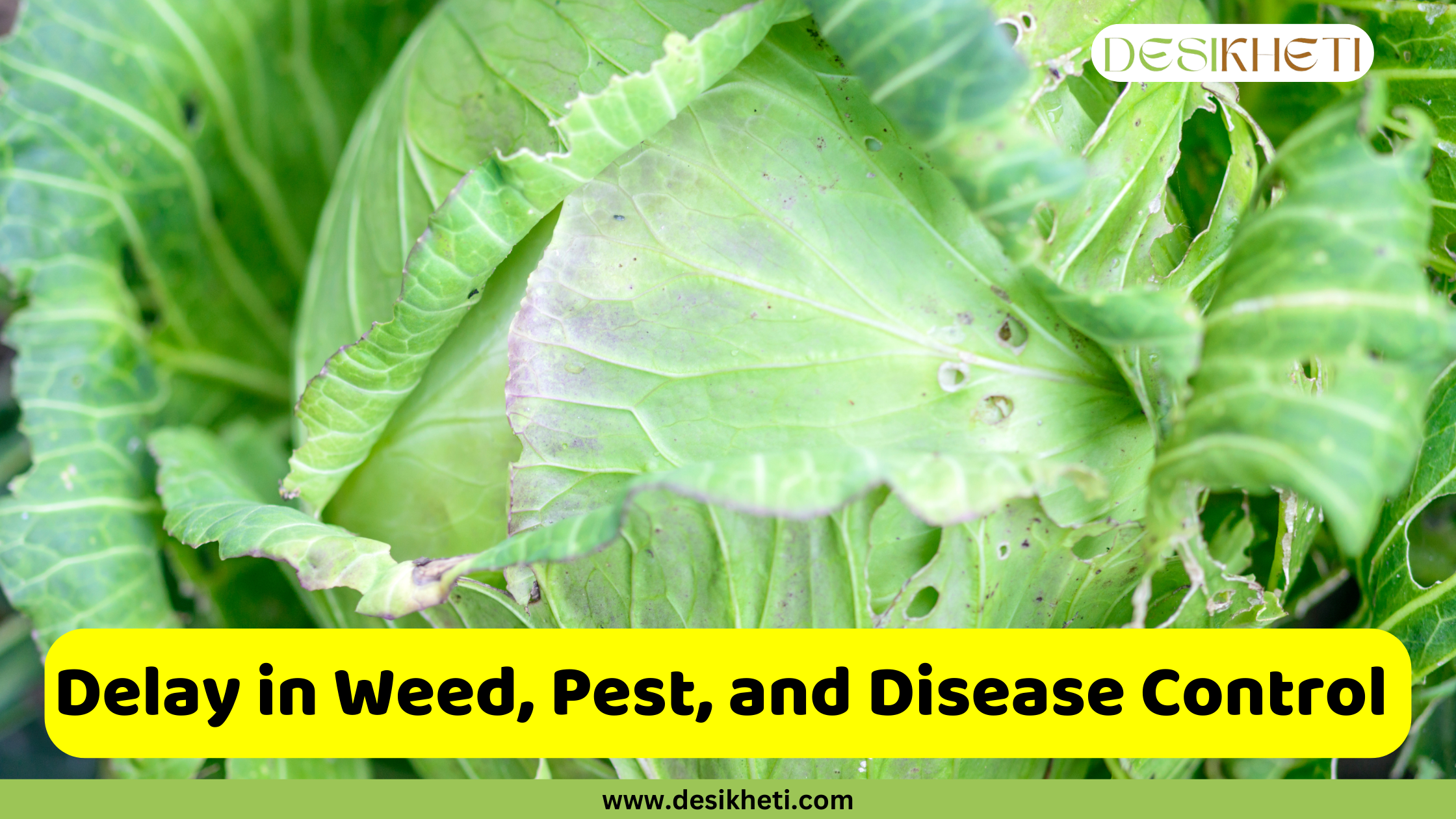
When weeds, insect pests, or diseases are not controlled on time, they create stress for cabbage plants. This stress can disturb normal growth and push the plant towards early flowering or bolting. Cabbage plants need a clean and healthy environment to form proper heads. If they constantly compete for nutrients or face damage from pests like aphids, flea beetles, or cutworms, their growth is affected.
Some common issues include:
- Weeds competing with the crop for water and nutrients
- Fungal or bacterial diseases damaging leaves and roots
- Insect attacks stunting growth during early stages
To prevent this:
- Do regular weeding, especially in the early stages
- Follow a preventive pest and disease management plan

Lack of Proper Crop Management
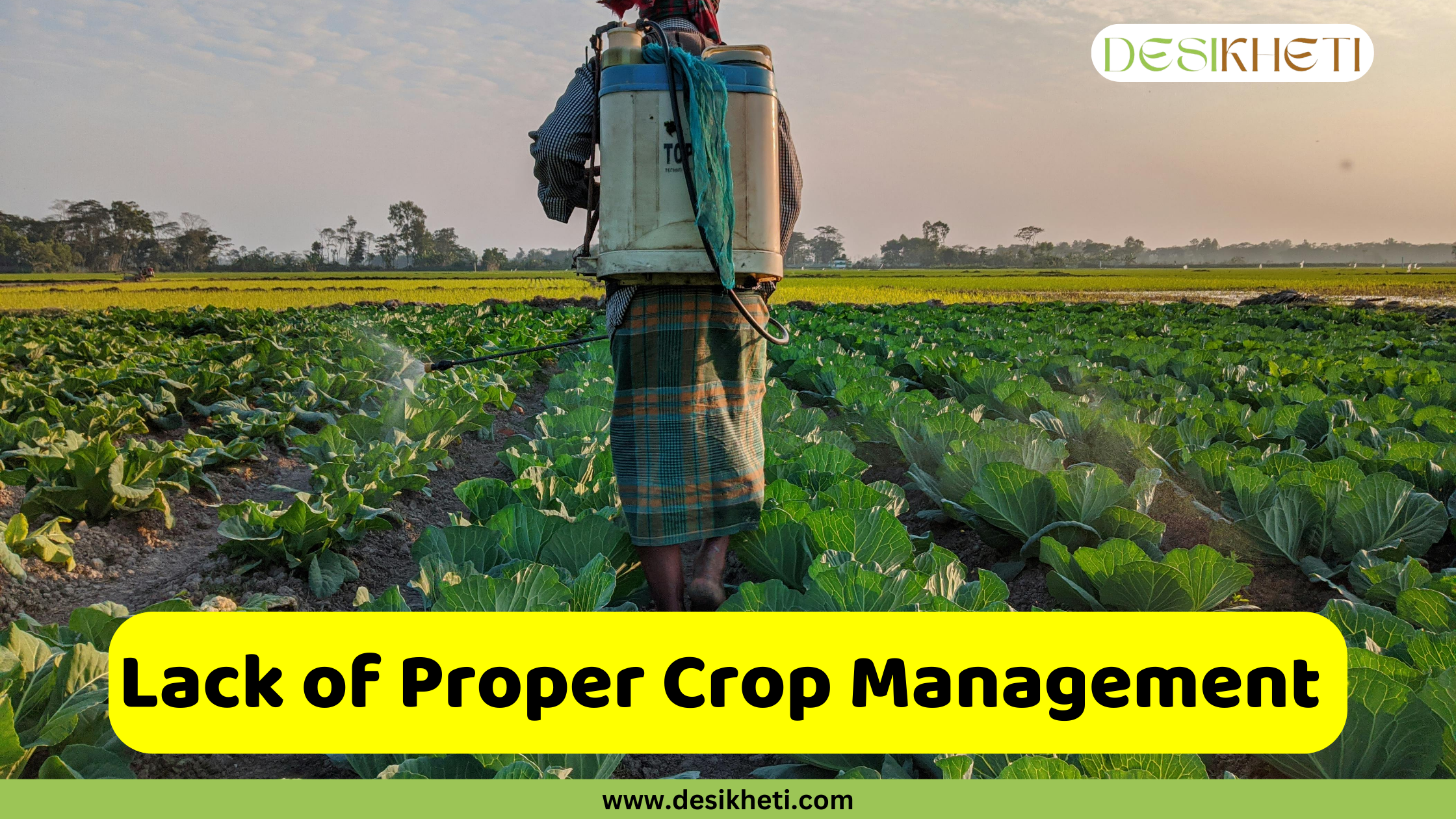
Proper crop management is very important for successful cabbage cultivation. If farmers do not follow the right practices at the right time, cabbage plants may suffer from various stresses, leading to bolting or premature flowering.
Poor crop management may include:
- Irregular or insufficient irrigation
- Wrong spacing during transplanting
- Delay in applying fertilizers
- Not observing plant health regularly
To prevent this:
- Prepare a crop calendar based on local conditions
- Ensure timely irrigation, fertilization, and intercultural operations
- Regularly check for any signs of stress or pest attack
Influence of Humidity
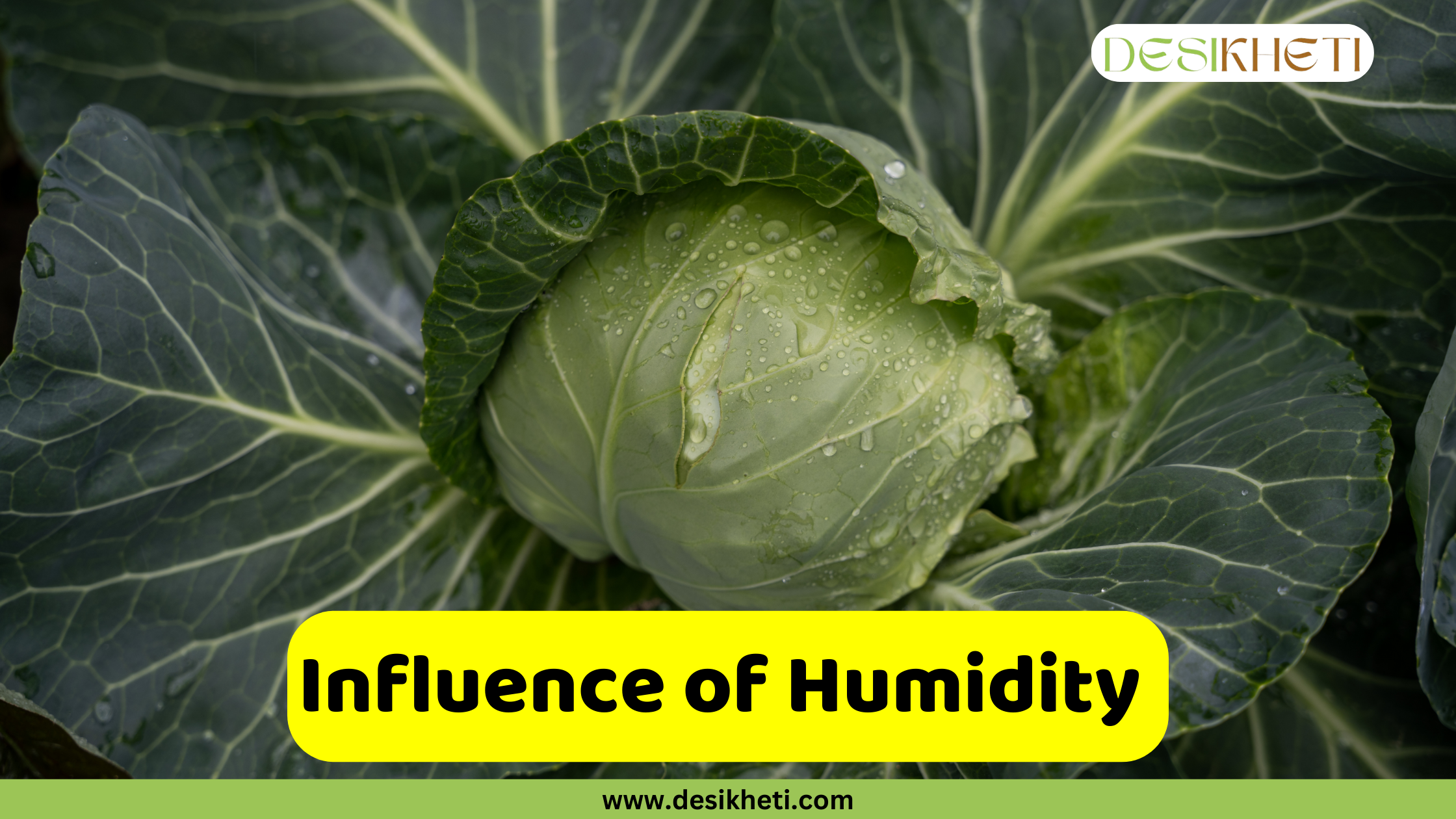
Humidity plays an important role in cabbage growth. Both very high and very low humidity can affect the plant’s natural cycle and lead to bolting. Cabbage grows best in moderate, stable humidity conditions. Sudden changes in humidity can disturb the plant’s metabolism and push it towards early flowering.
Problems caused by humidity:
- High humidity increases the chances of fungal diseases, which weaken the plant
- Low humidity leads to faster water loss from leaves, causing wilting and stress
- Fluctuating humidity with hot days and cool nights creates confusion in the plant’s growth signals
To manage humidity stress:
- Provide light irrigation during dry spells
- Improve air circulation in the field to reduce excessive humidity
Bolting in cabbage is a common problem in many parts of India, but it can be avoided with timely sowing, quality cabbage seeds, balanced soil nutrition, proper irrigation, and regular pest and disease management. Farmers need to remember that cabbage is a cool-season crop and grows best when temperature, soil, and crop care are properly managed.
By following simple preventive measures such as using quality cabbage seeds, keeping the field weed-free, ensuring proper spacing, and maintaining suitable humidity and temperature, cabbage can develop into solid, market-ready heads.
A little attention at the right time can make the difference between crop loss and a successful, profitable cabbage harvest.
FAQs on Bolting in Cabbage
1. What does bolting mean in plants?
A. Bolting is when a plant prematurely produces a flower stalk, diverting energy from leaf or fruit growth.
2. Can you eat cabbage after it bolts?
A. Bolted cabbage becomes tough, bitter, and less palatable.
3. In which season does cabbage grow?
A. Cabbage grows best in cool seasons, primarily during winter and early spring in India.
4. What disease affects cabbage?
A. Common diseases include black rot, downy mildew, clubroot, fusarium wilt, etc.

