Table of Contents
Introduction
Shrubs are the backbone of every well-designed garden. These woody, multi-stemmed plants provide year-round appeal with vibrant flowers, ornamental foliage, and dense greenery. In Indian gardens whether on urban balconies or in sprawling lawns shrubs serve many purposes: they add height and texture, act as privacy screens, support biodiversity, and enhance overall appeal. From the heat-loving Bougainvillea to the elegant Gardenia, the right selection of shrubs can transform your outdoor space into a lush, colorful retreat.
This guide covers 20 of the best shrubs that thrive in Indian conditions. Whether you are a beginner gardener or an experienced landscaper, you will find options here to suit every garden style, season, and climate.
So, without further delay, let’s dive into the blog.
Bougainvillea
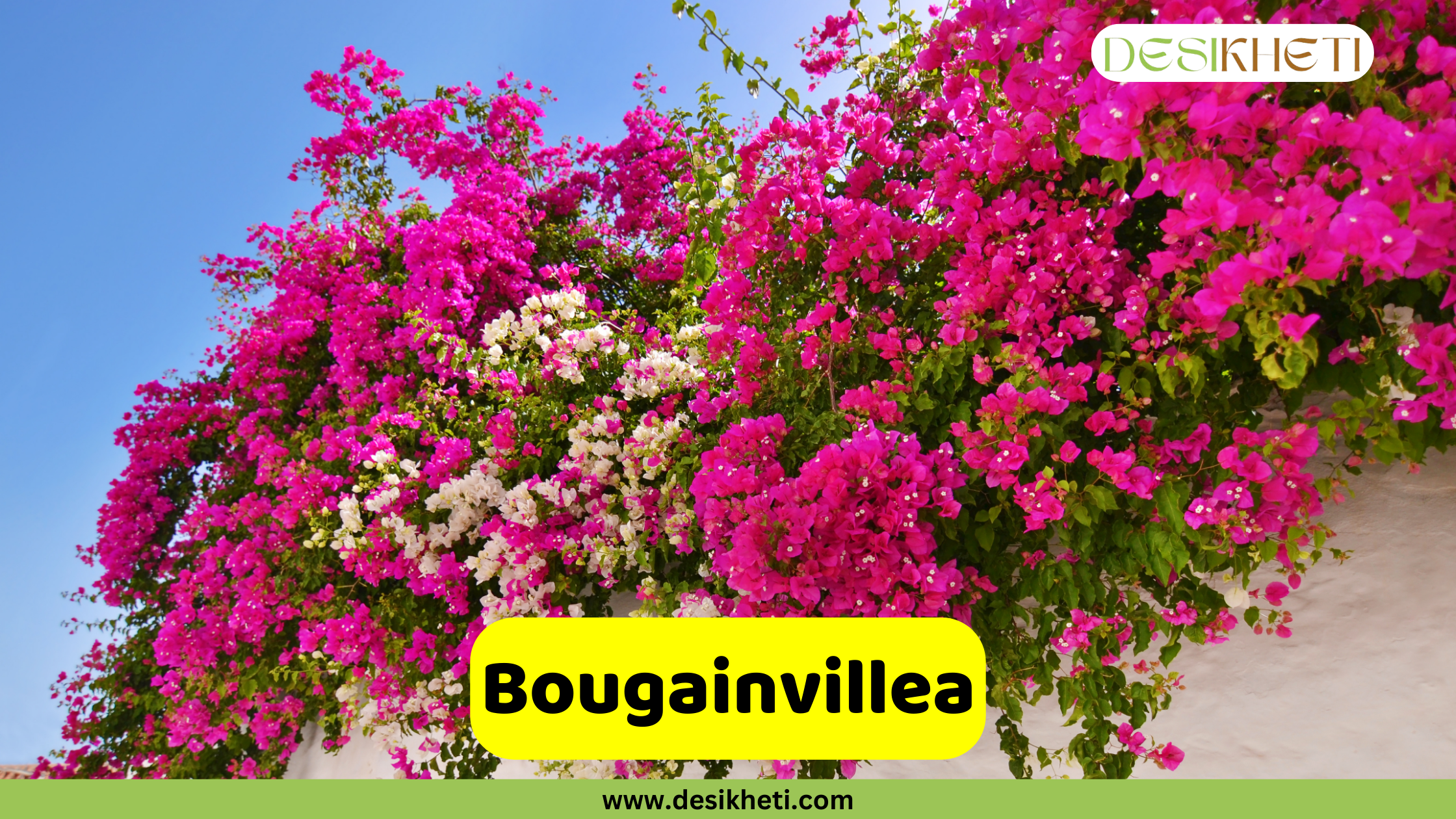
Botanical Name: Bougainvillea glabra
Bougainvillea is a vigorous, thorny shrub or climber known for its vibrant, paper-like bracts in shades of pink, purple, orange, white, and red. When left unpruned, it can grow tall and wide, creating a dramatic splash of color. Its foliage is sparse but sturdy, and its flowers appear almost year-round in warm regions.
This drought-tolerant plant thrives in Indian climates with ample sunlight and requires minimal watering once established. It benefits from regular pruning to maintain its shape or to train it as a hedge, topiary, or wall climber.
Uses and Benefits:
- Ideal for boundary hedges, trellises, and pergolas
- Low maintenance
- Excellent for dry or coastal regions
- Pollinator-friendly, with a long blooming period
Rhododendron
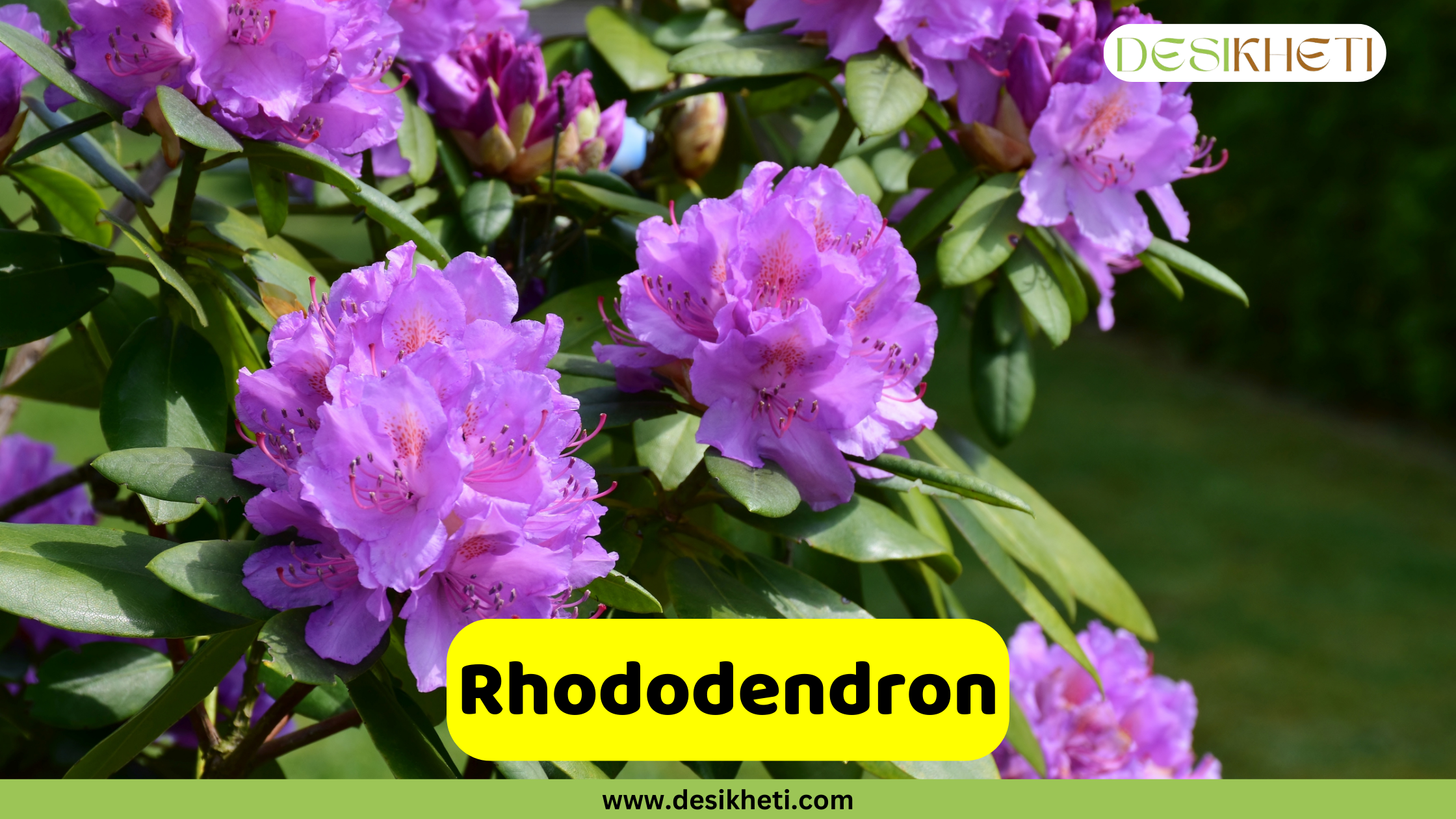
Botanical Name: Rhododendron arboreum
Rhododendron is a beautiful, evergreen shrub native to the Himalayan and North-Eastern regions of India. It produces clusters of striking, trumpet-shaped flowers in shades of red, pink, white, and purple, usually blooming in spring. The shrub can grow up to 10 feet tall, with dense, leathery foliage that adds year-round greenery to gardens and landscapes.
This ornamental shrub thrives in cool, temperate climates with partial to full sunlight. It prefers well-drained, acidic soil enriched with organic matter and benefits from regular pruning to encourage bushy growth and enhance flowering. While best suited to hilly or cooler regions of India, Rhododendron can also be grown in pots or shaded garden areas in warmer regions with careful attention.
Uses and Benefits:
- Ideal for ornamental gardens, borders, and landscaping in cooler regions
- Provides vibrant seasonal blooms and year-round foliage
- Attracts pollinators such as bees and butterflies
- Can be grown in large containers on patios or terraces
Ixora
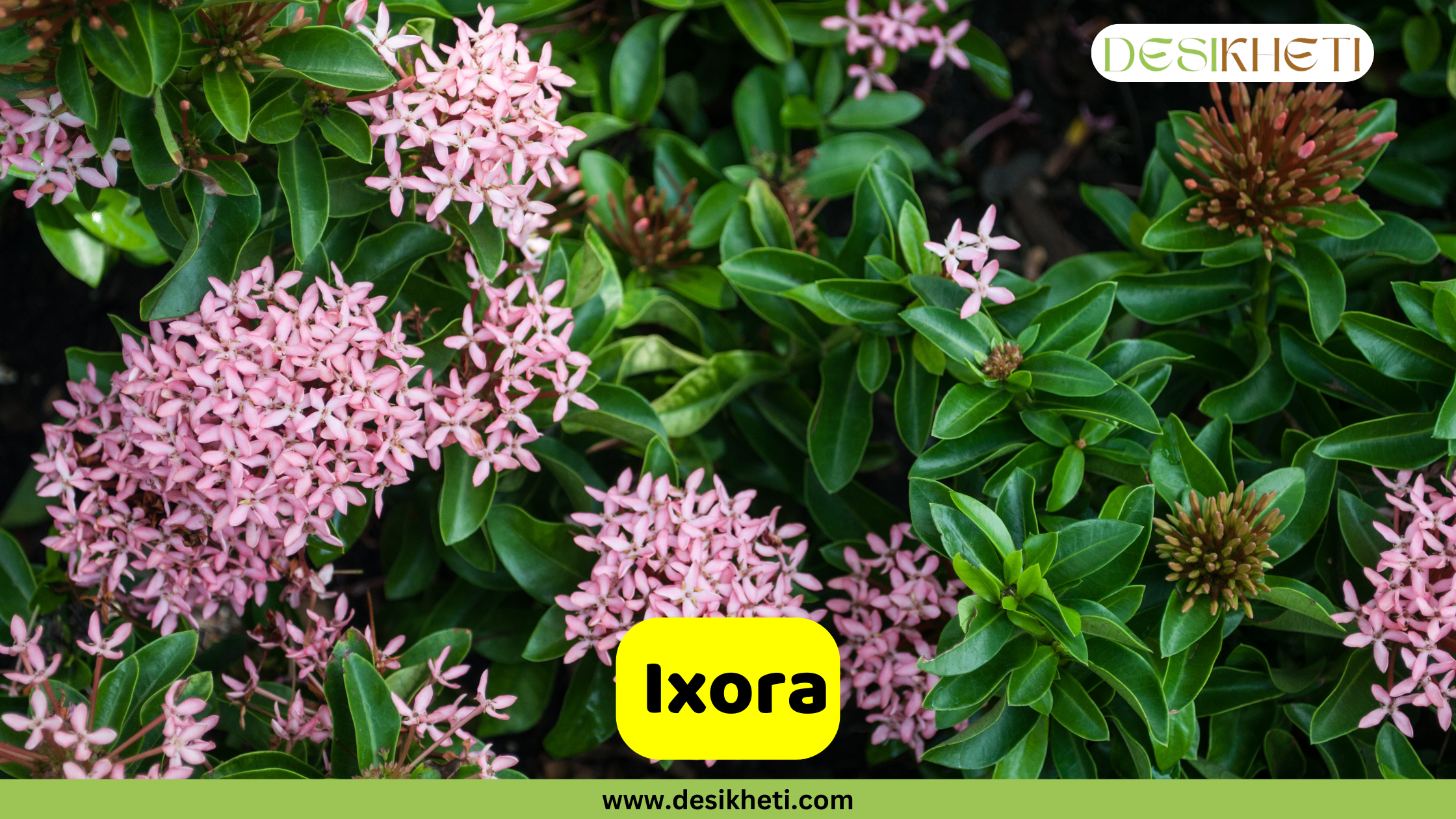
Botanical Name: Ixora coccinea
Ixora is a dense, compact evergreen shrub that bears clusters of tubular flowers in red, orange, yellow, or pink. It typically grows 3–6 feet tall and is known for its glossy green leaves and continuous blooming throughout the warmer months.
This tropical shrub loves heat and humidity, flourishing in semi-shade to full sun. Occasional pruning encourages dense branching.
Uses and Benefits:
- Ideal for hedging or foundation planting
- Long-blooming and attractive to butterflies
- Perfect for tropical-themed gardens
- Low-maintenance ornamental plant
Oleander
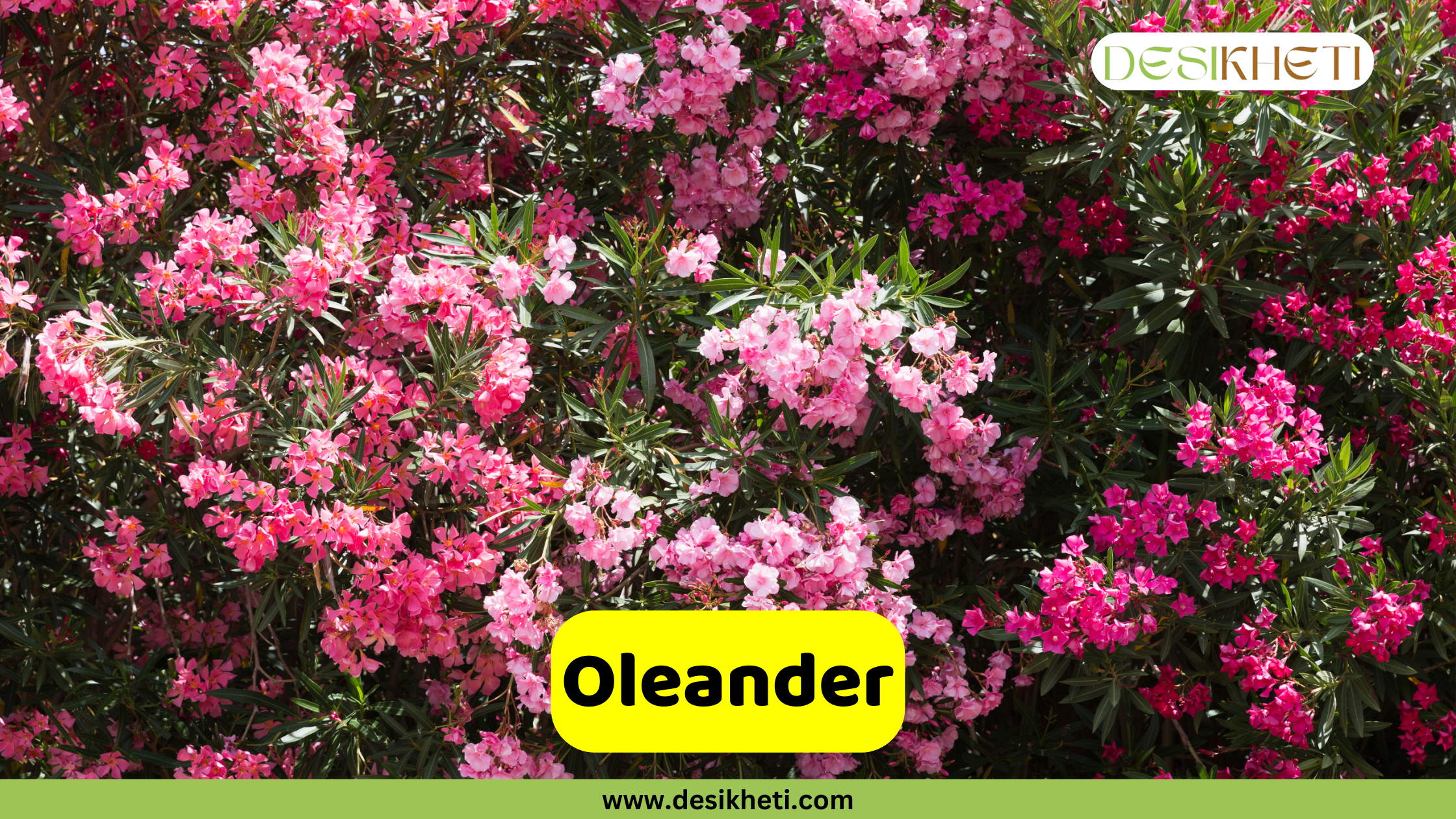
Botanical Name: Nerium oleander
Oleander is a tall, bushy evergreen shrub. The plant has leathery, dark green leaves and fragrant, five-petaled flowers in white, pink, or red. It blooms profusely from spring through fall.
The plant is hardy and can tolerate heat, drought, and saline conditions. It benefits from moderate pruning to maintain its shape.
Uses and Benefits:
- Excellent for privacy hedges and roadside planting
- Adds a tropical, fragrant touch
- Suitable for large gardens
Duranta (Golden Dewdrop)
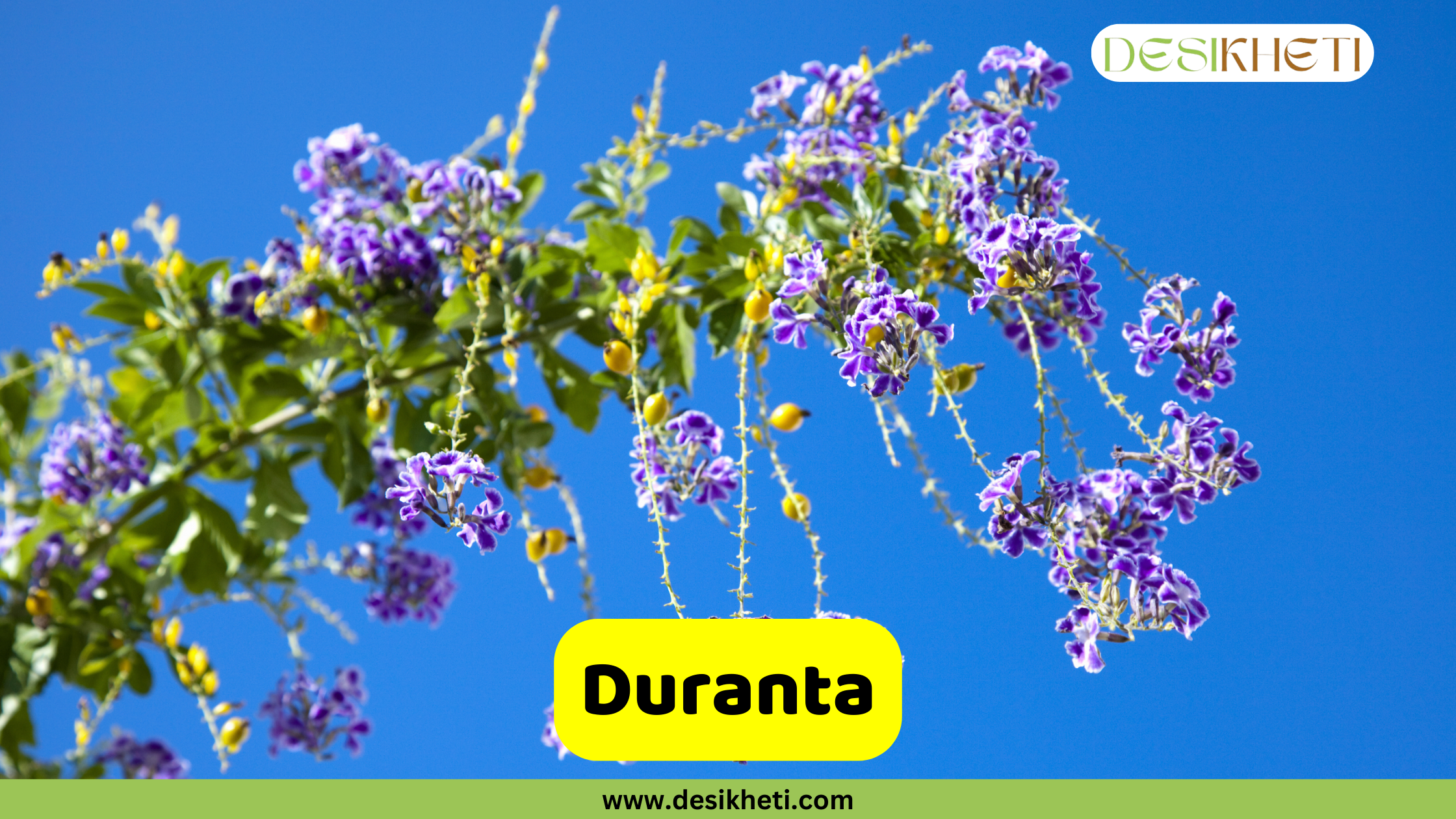
Botanical Name: Duranta erecta
Duranta, also known as Golden Dewdrop, Skyflower, or Pigeon Berry, is an ornamental shrub with arching, cascading branches. It produces clusters of lavender-blue to violet flowers, often followed by showy golden-yellow berries.
Depending on conditions, it can grow as a shrub or small tree, usually reaching 6–12 feet, and taller if left unpruned. It thrives in hot climates and full sunlight, preferring well-drained soil. Duranta can be shaped into hedges, screens, or topiaries.
Uses and Benefits:
- Excellent for hedging, screening, and topiary
- Adds ornamental appeal
- Easy to shape and maintain
Plumbago
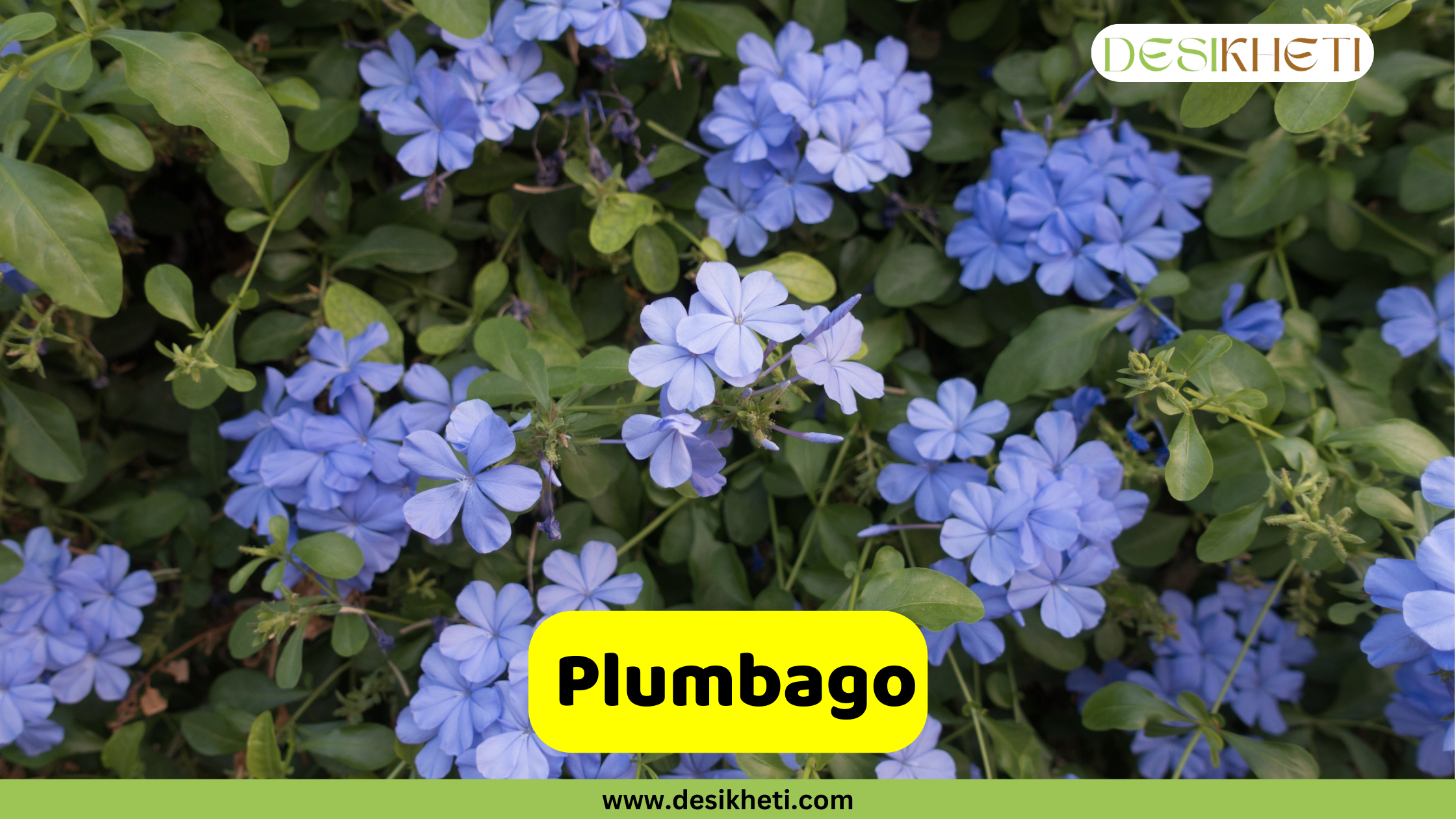
Botanical Name: Plumbago auriculata
Plumbago is a sprawling shrub known for its soft, sky-blue flowers and light green foliage. It can reach 6–10 feet in height and works beautifully in informal hedges or cascading over walls.
It thrives in warm Indian climates and prefers full to partial sunlight. Pruning after flowering helps maintain its shape and encourages more blooms.
Uses and Benefits:
- Attracts butterflies
- Perfect for cottage or Mediterranean-style gardens
Tecoma (Yellow Bells)
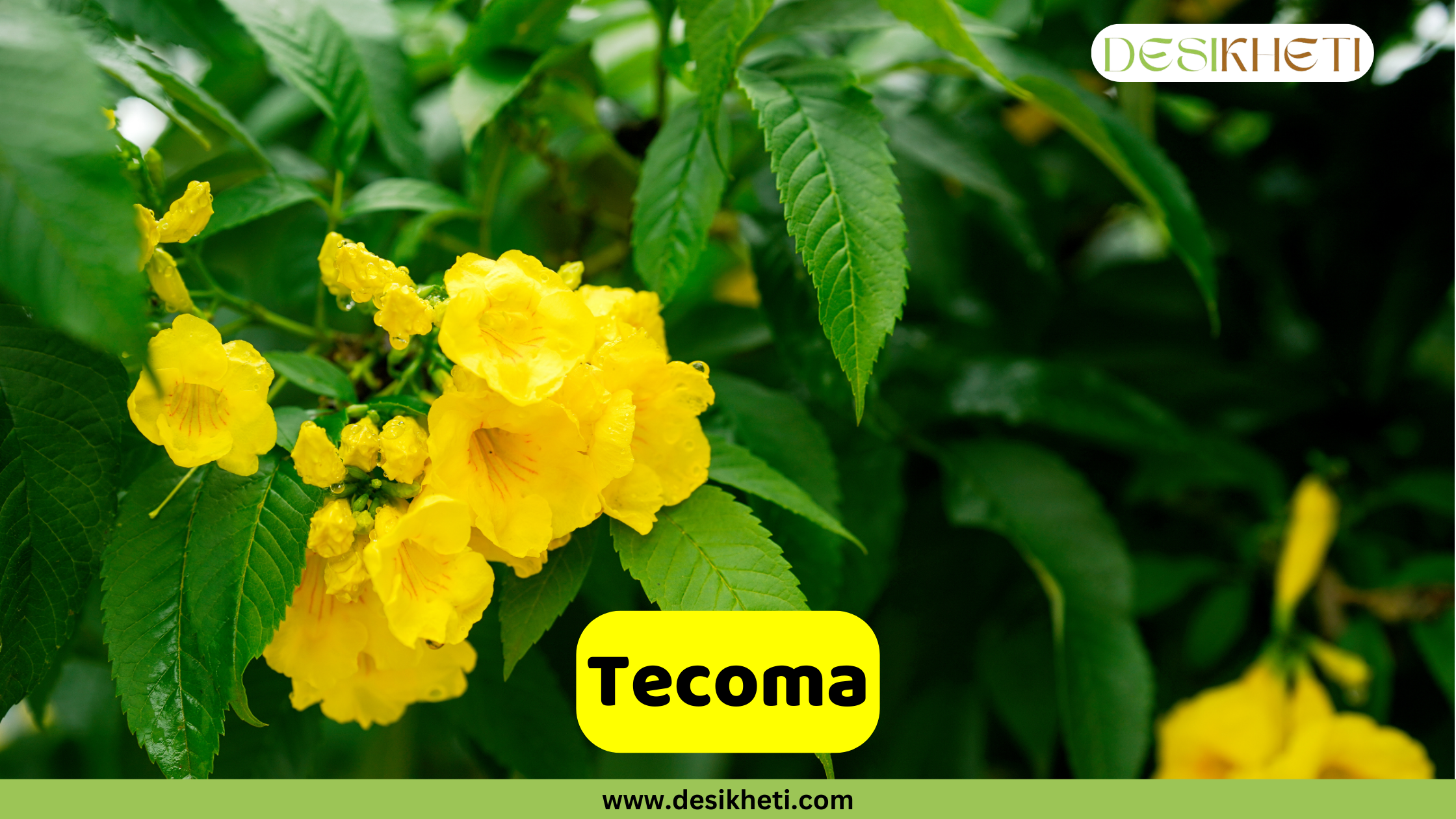
Botanical Name: Tecoma stans
Tecoma, commonly called Yellow Bells, is a bright-flowering shrub with trumpet-shaped yellow flowers. It grows quickly, reaching 6–10 feet, with lush green foliage that adds to its visual appeal.
Uses and Benefits:
- Excellent as a flowering screen or accent plant
- Attracts bees and butterflies
- Adds vibrant contrast to gardens
Cassia
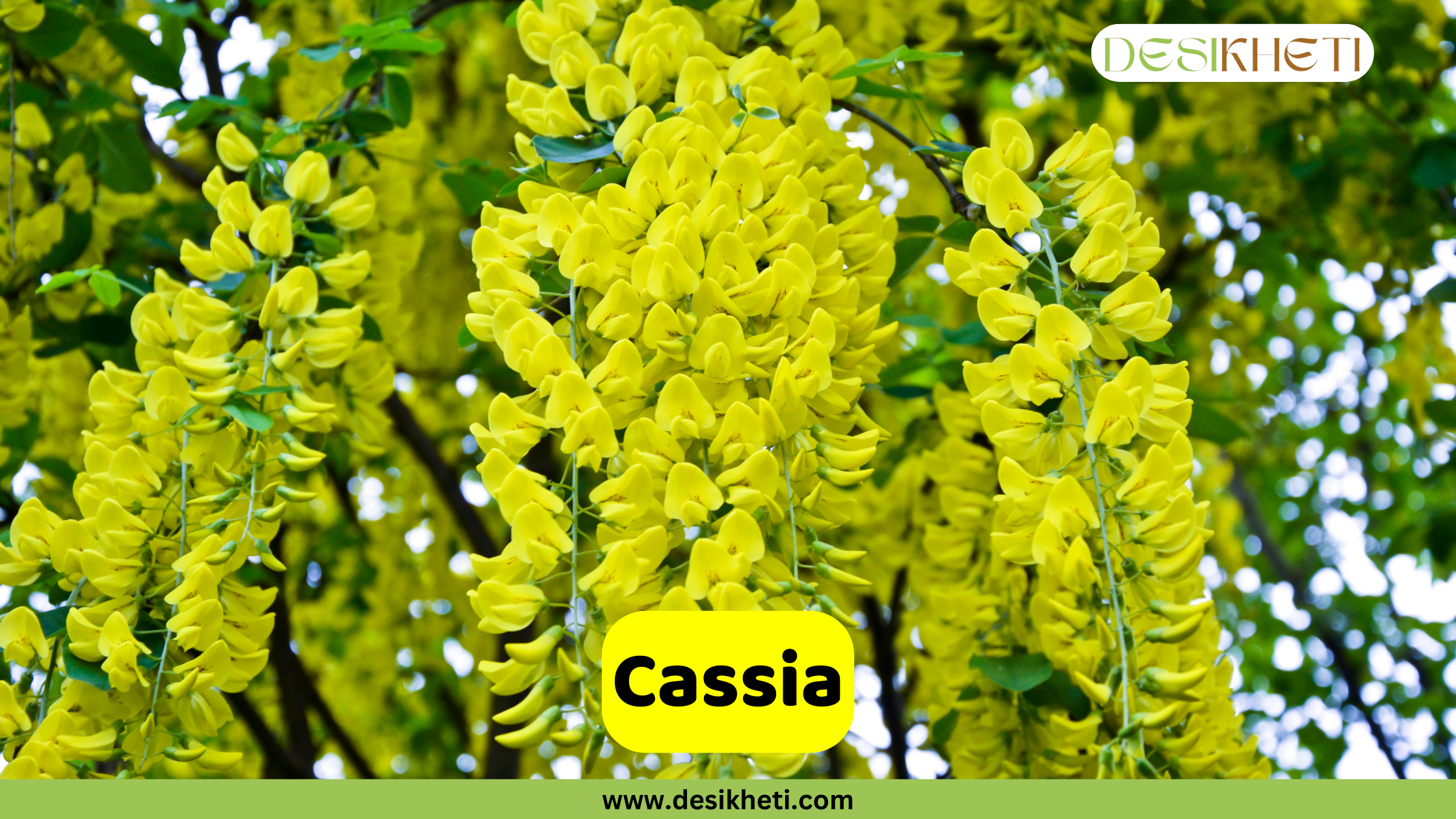
Botanical Name: Cassia glauca
Cassia glauca is a tall, fast-growing shrub with yellow, butterfly-like flowers and dark green pinnate leaves. It often blooms in clusters during the monsoon and fall. This shrub thrives in sunny Indian climates. Pruning after flowering helps maintain its shape.
Uses and Benefits:
- Great for roadside or landscape beautification
- Attracts pollinators such as bees
- Best suited for large open spaces
Croton
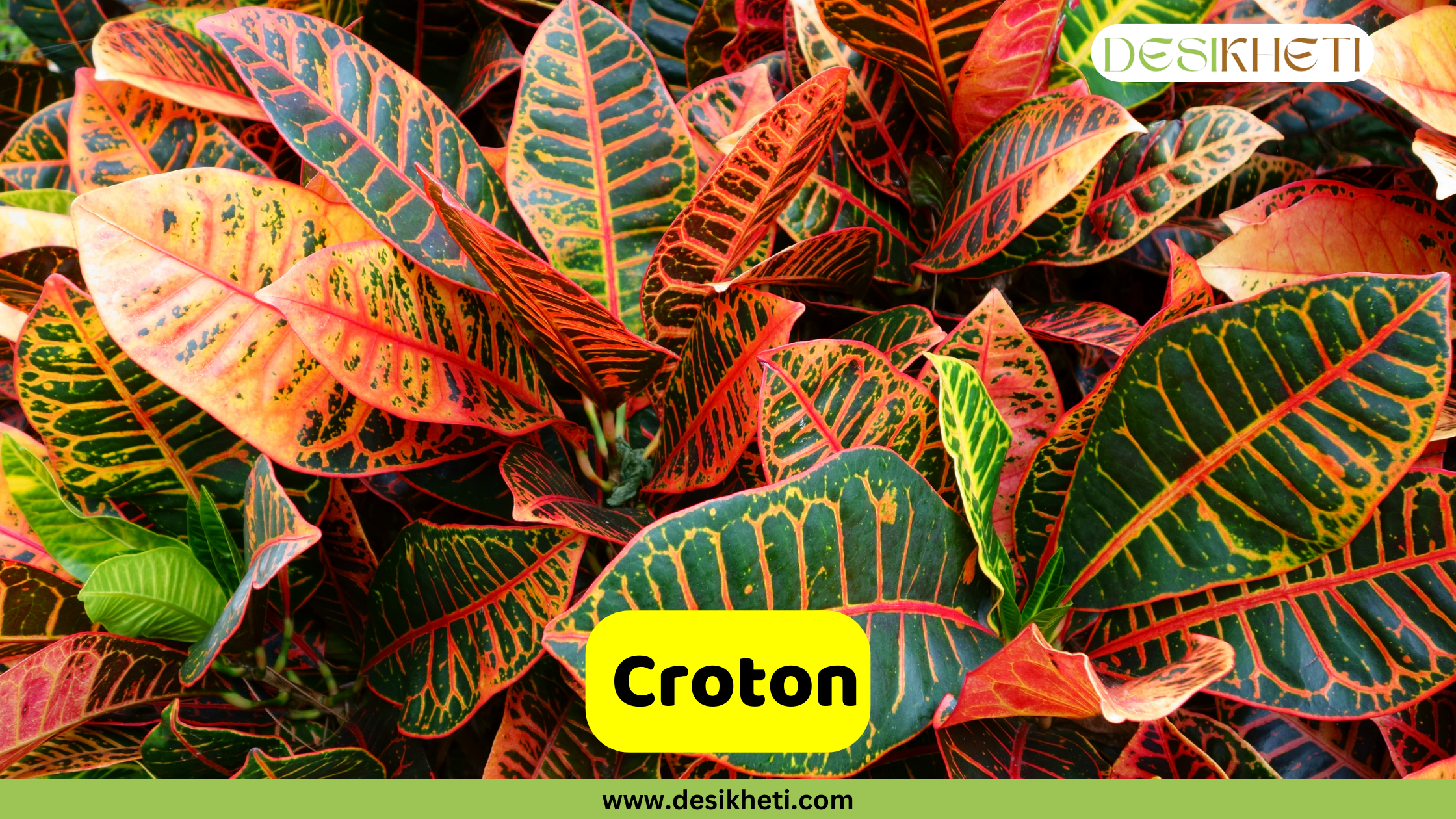
Botanical Name: Codiaeum variegatum
Croton is a bold foliage shrub with thick, leathery leaves in vibrant shades of red, yellow, orange, green, and purple. Leaf shapes and patterns vary widely, making it a dynamic focal plant. Occasional pruning helps maintain its shape.
Uses and Benefits:
- Adds a striking color contrast to tropical gardens
- Excellent for containers or borders
- Works well as a low hedge or accent plant
Acalypha (Chenille Plant)
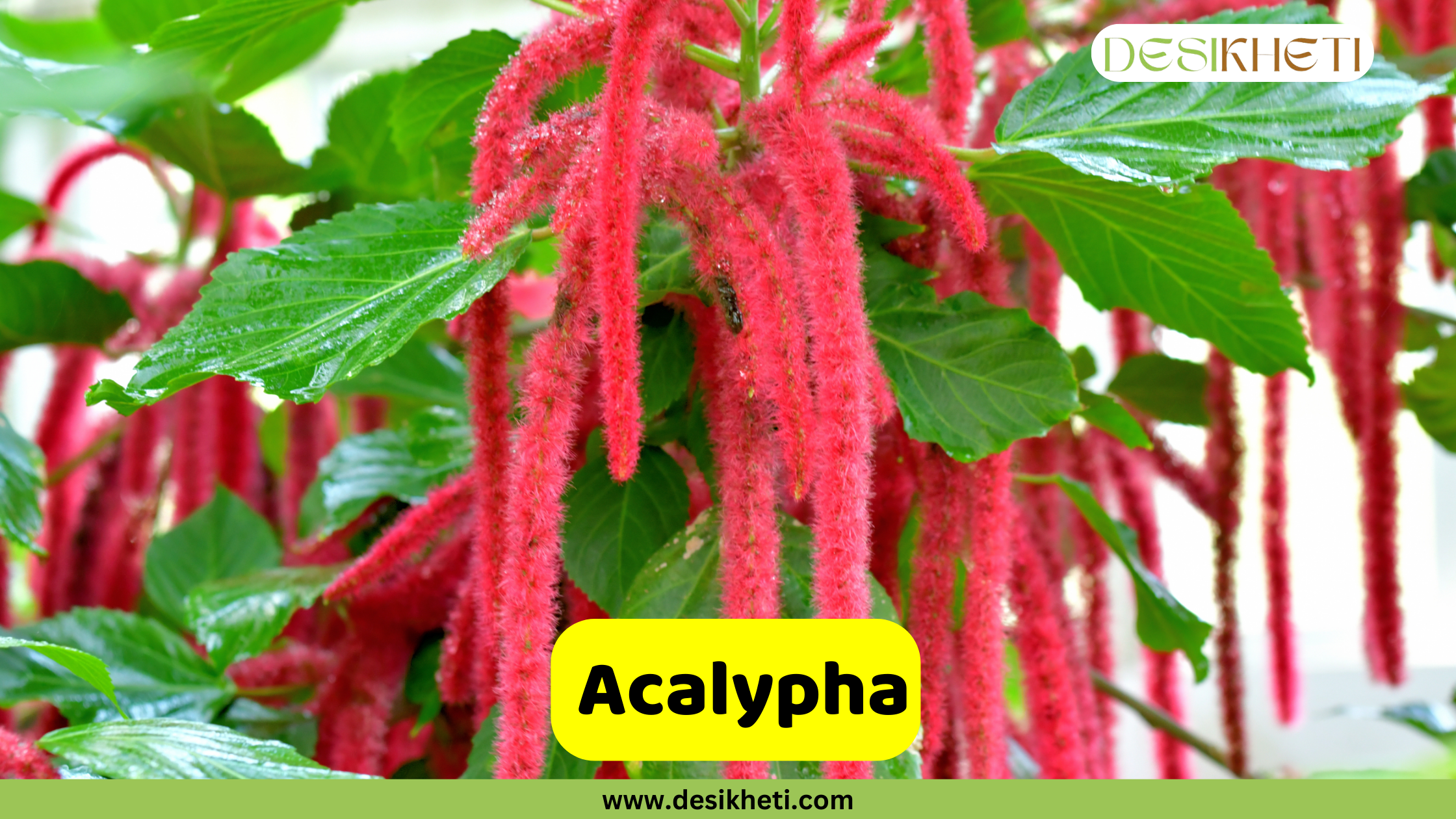
Botanical Name: Acalypha hispida
Acalypha is a tropical shrub. The plant is notable for its long, fuzzy red “chenille” flower catkins and glossy green foliage. Its pendulous blooms add dramatic flair to gardens. It thrives in humid, warm regions, preferring moist, rich soil and bright light. Regular pruning encourages fuller growth and reblooming.
Uses and Benefits:
- Adds dramatic flair to gardens
- Perfect for exotic garden themes
Clerodendrum
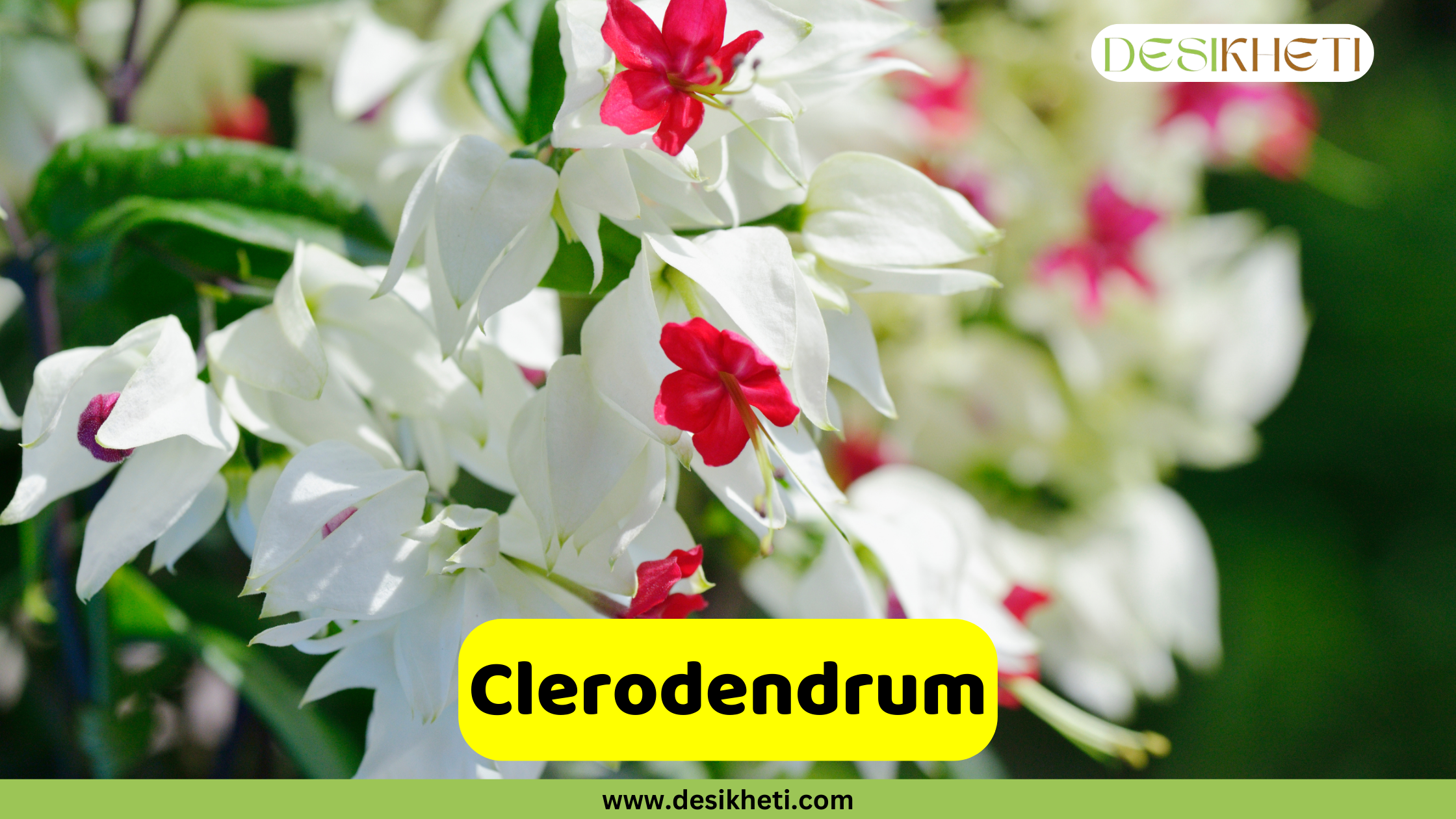
Botanical Name: Clerodendrum inerme
Clerodendrum is an evergreen shrub with glossy, ovate leaves and clusters of fragrant white or pink-tinted flowers featuring long stamens. It is well-suited for coastal and humid zones and blooms intermittently throughout the year.
Uses and Benefits:
- Dense privacy hedge or screen
- Attracts pollinators
Firebush
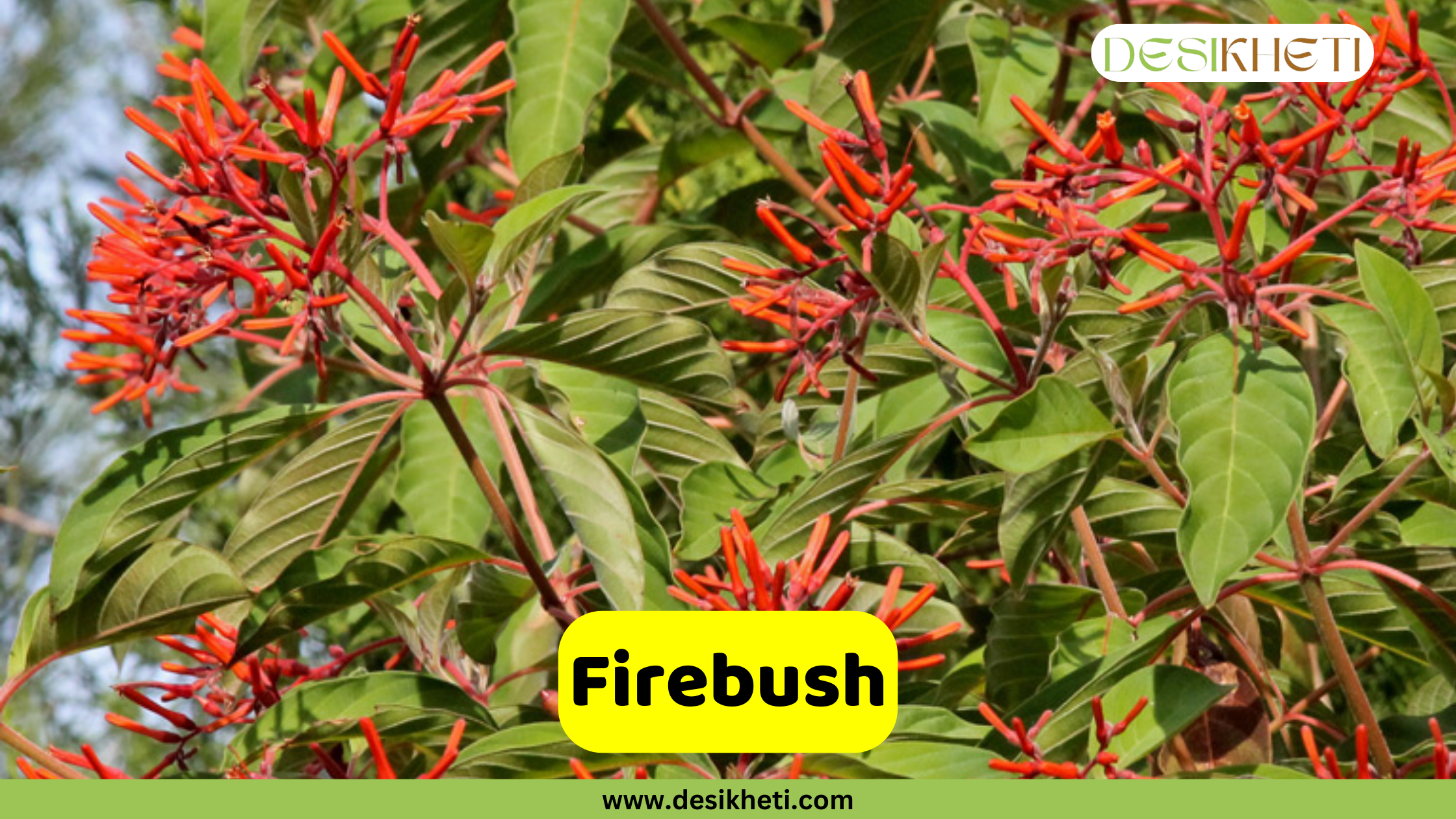
Botanical Name: Hamelia patens
The Firebush plant has glossy leaves and clusters of red-orange tubular flowers that bloom from spring to autumn. In full sun, its foliage may develop red tones. Regular pruning promotes bushier growth.
Uses and Benefits:
- Attracts hummingbirds, bees, and butterflies
- Great for informal screens or wildlife gardens
- Low maintenance
Sky Flower
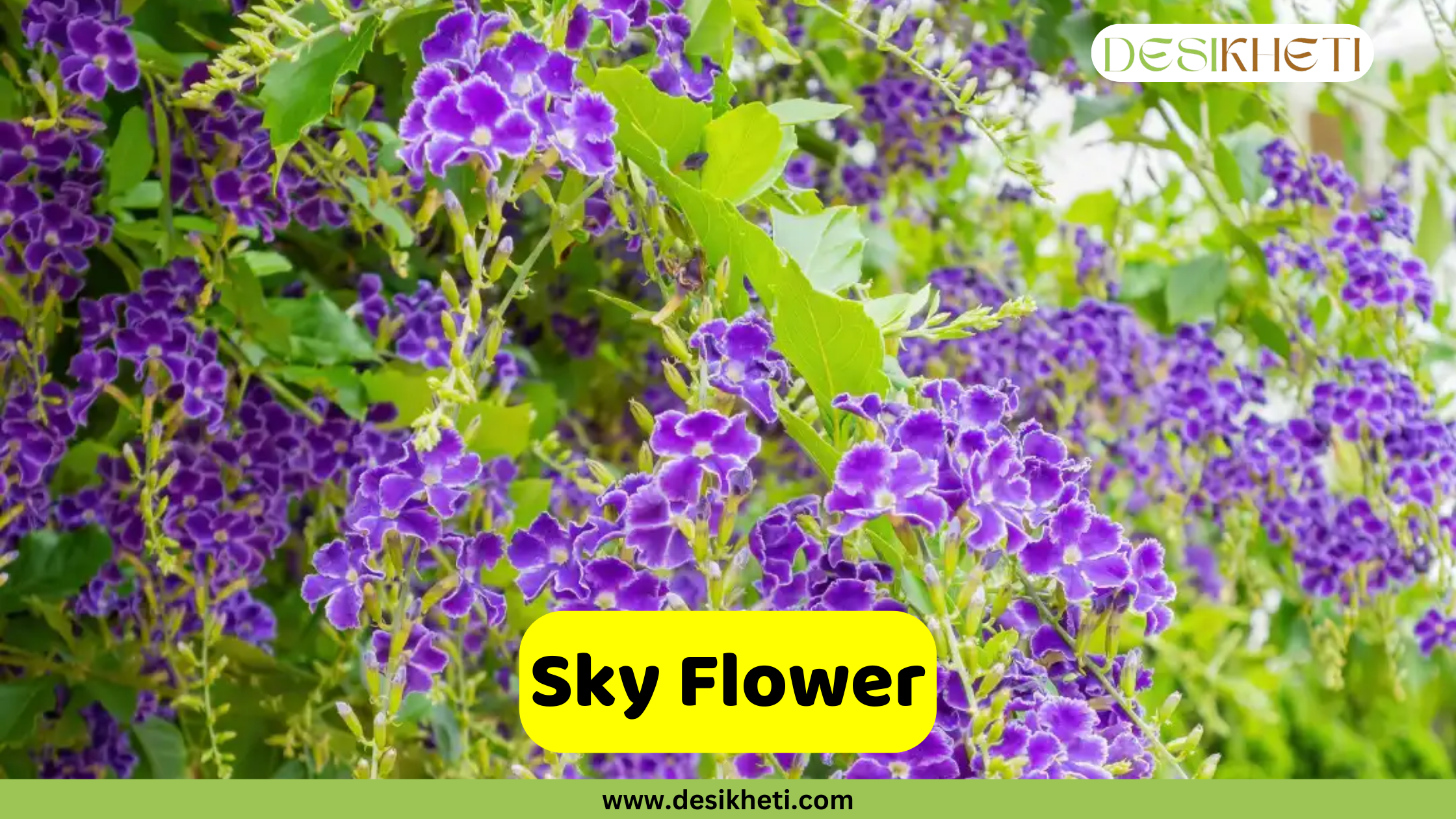
Botanical Name: Duranta erecta (syn. Duranta repens)
Sky Flower, also called Golden Dewdrop, is a semi-evergreen shrub or small tree with arching, cascading branches. It bears clusters of violet to purple-blue flowers, often with white edges, followed by golden-yellow berries.
It performs well in tropical and subtropical zones. Regular pruning helps maintain its shape and promotes blooming.
Uses and Benefits:
- Ideal for ornamental borders and hedges
- Attracts birds and butterflies
- Excellent for tropical-style gardens
Gardenia
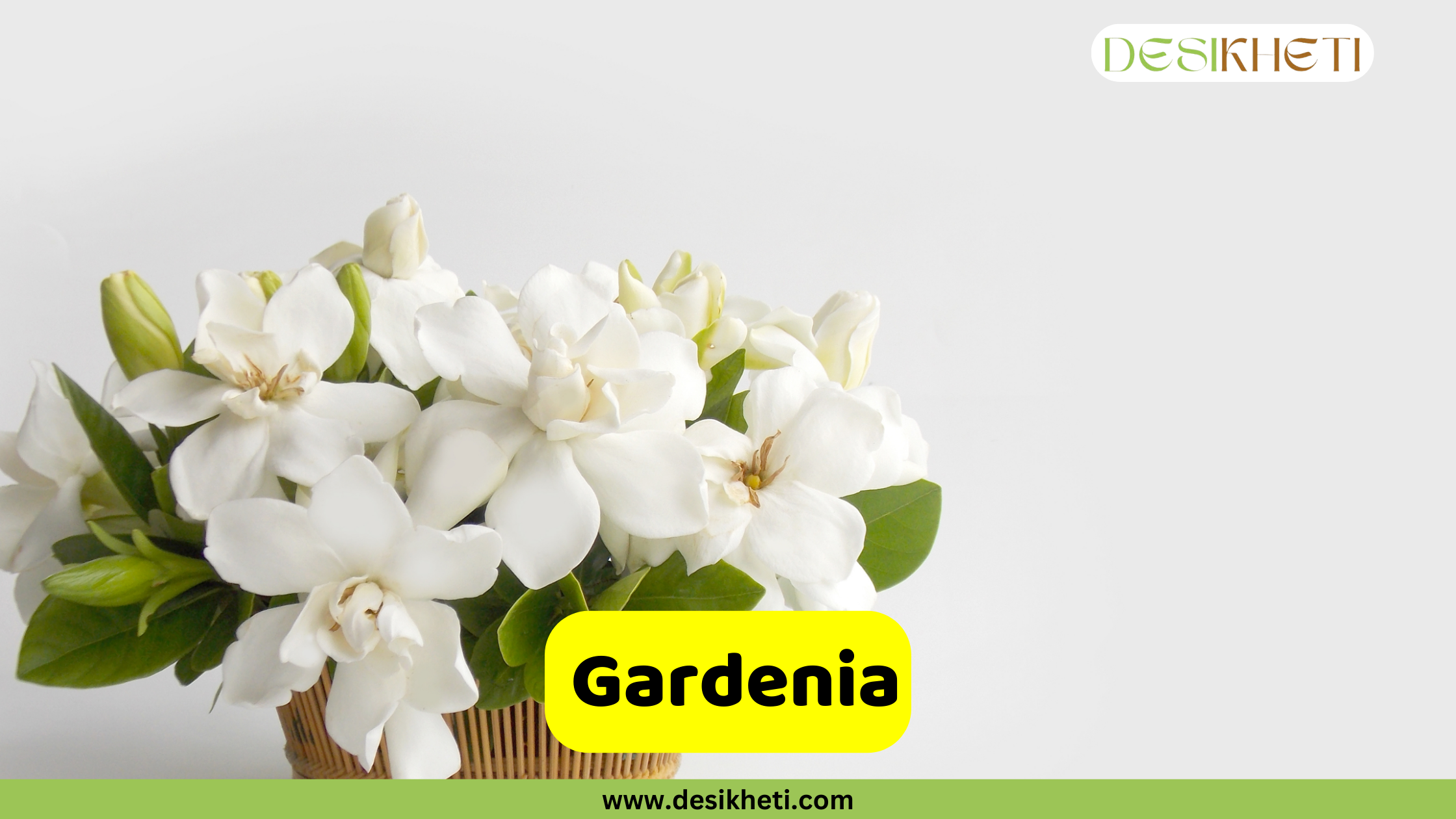
Botanical Name: Gardenia jasminoides
Gardenia is a fragrant evergreen shrub with glossy leaves and creamy-white, rose-like flowers that bloom from late spring through summer. Light pruning after blooming helps maintain its form.
Uses and Benefits:
- Fragrant centerpiece for gardens or patios
- Great for shade borders or pots
Camellia
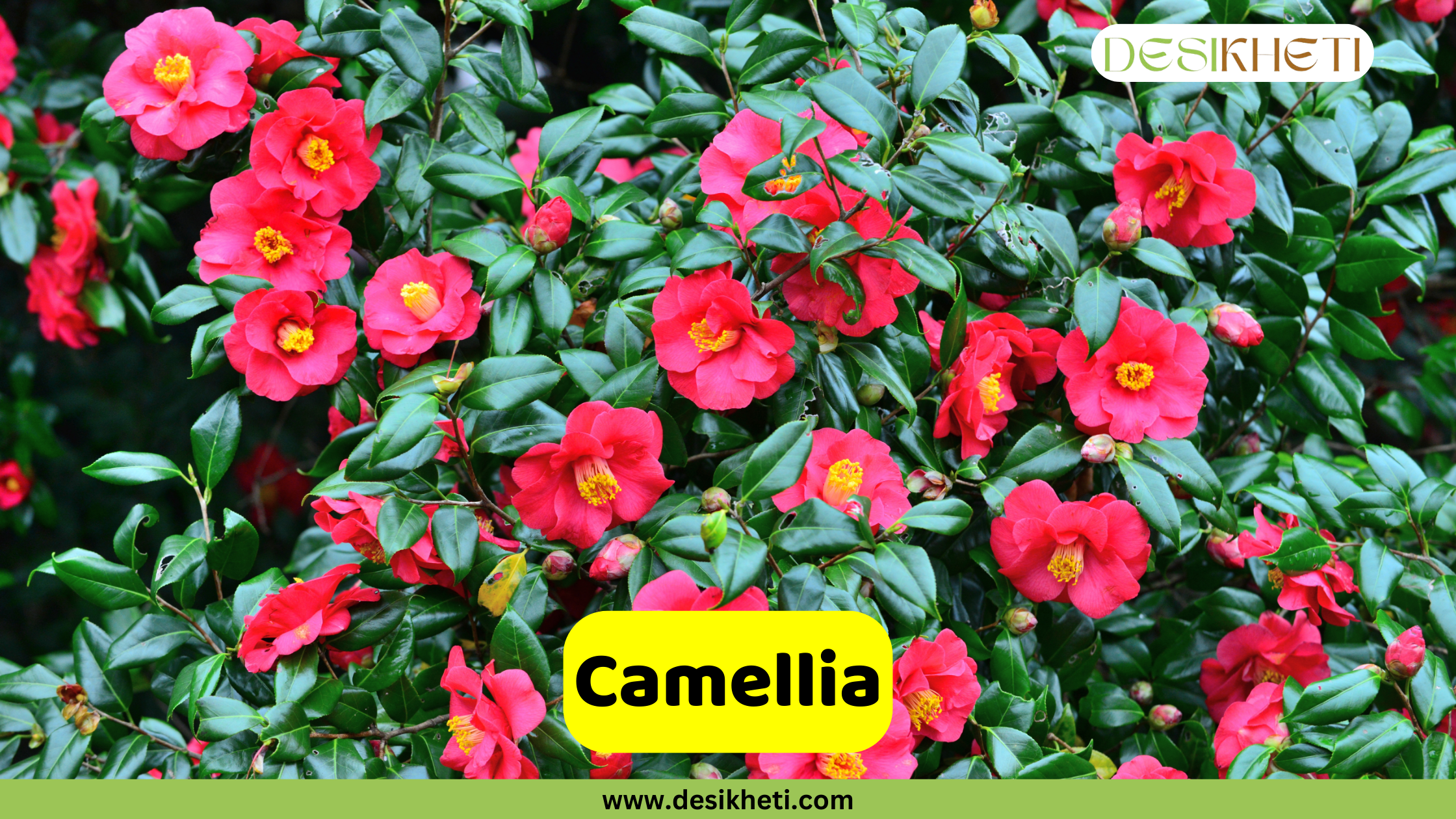
Botanical Name: Camellia japonica
Camellia is a cool-climate shrub. The plant has glossy leaves and large, showy blooms in red, pink, or white. It blooms during winter and spring and is ideal for hill stations and shaded patios. Camellia benefits from light pruning.
Uses and Benefits:
- Stylish container or courtyard plant
- Known for its elegant blooms
Pentas
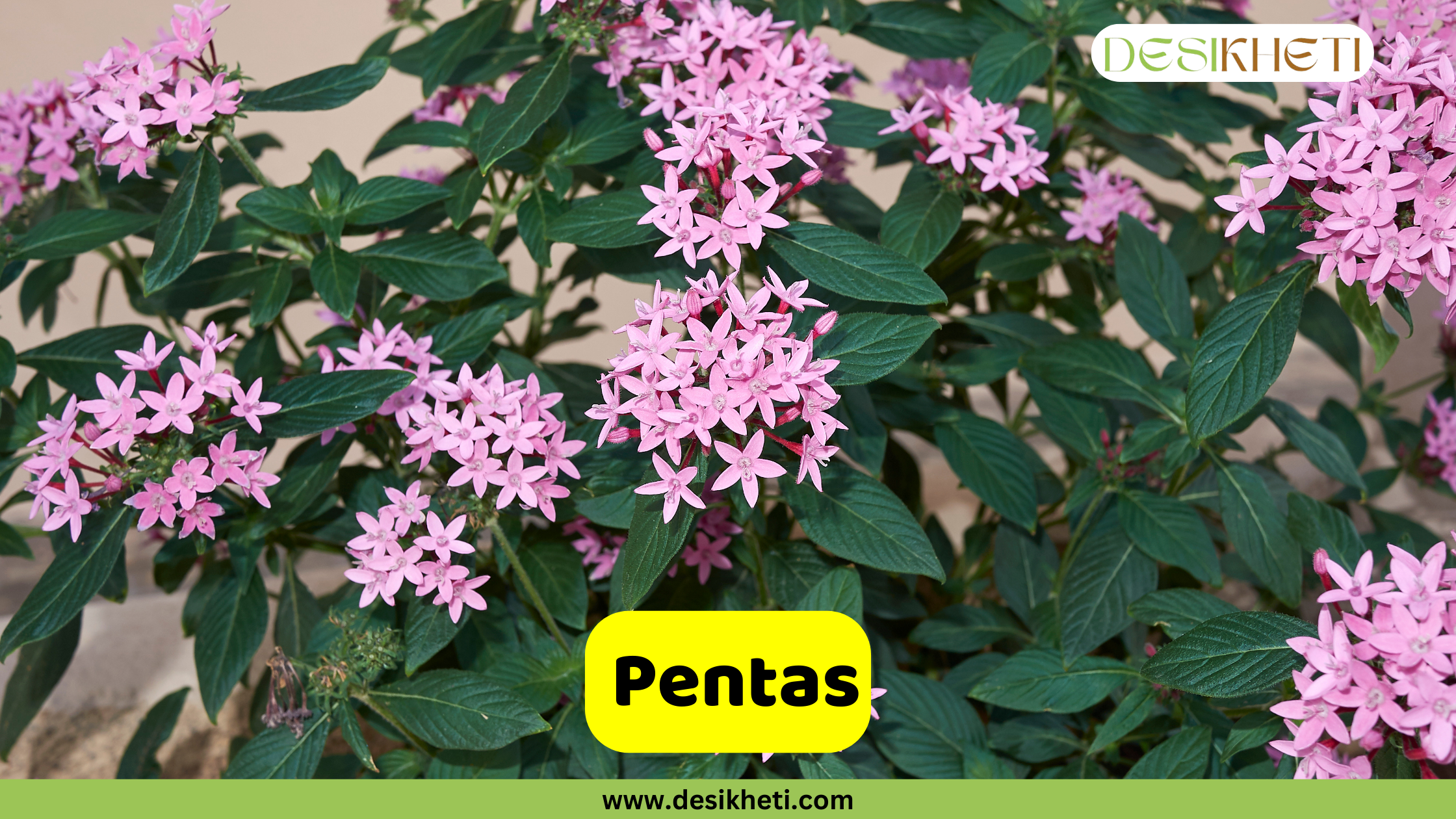
Botanical Name: Pentas lanceolata
Pentas is a compact shrub with clusters of star-shaped flowers in pink, red, white, or purple. It blooms continuously from spring to autumn.
Uses and Benefits:
- Ideal for borders, edging, and containers
- Great for pollinator-friendly gardens
Copperleaf
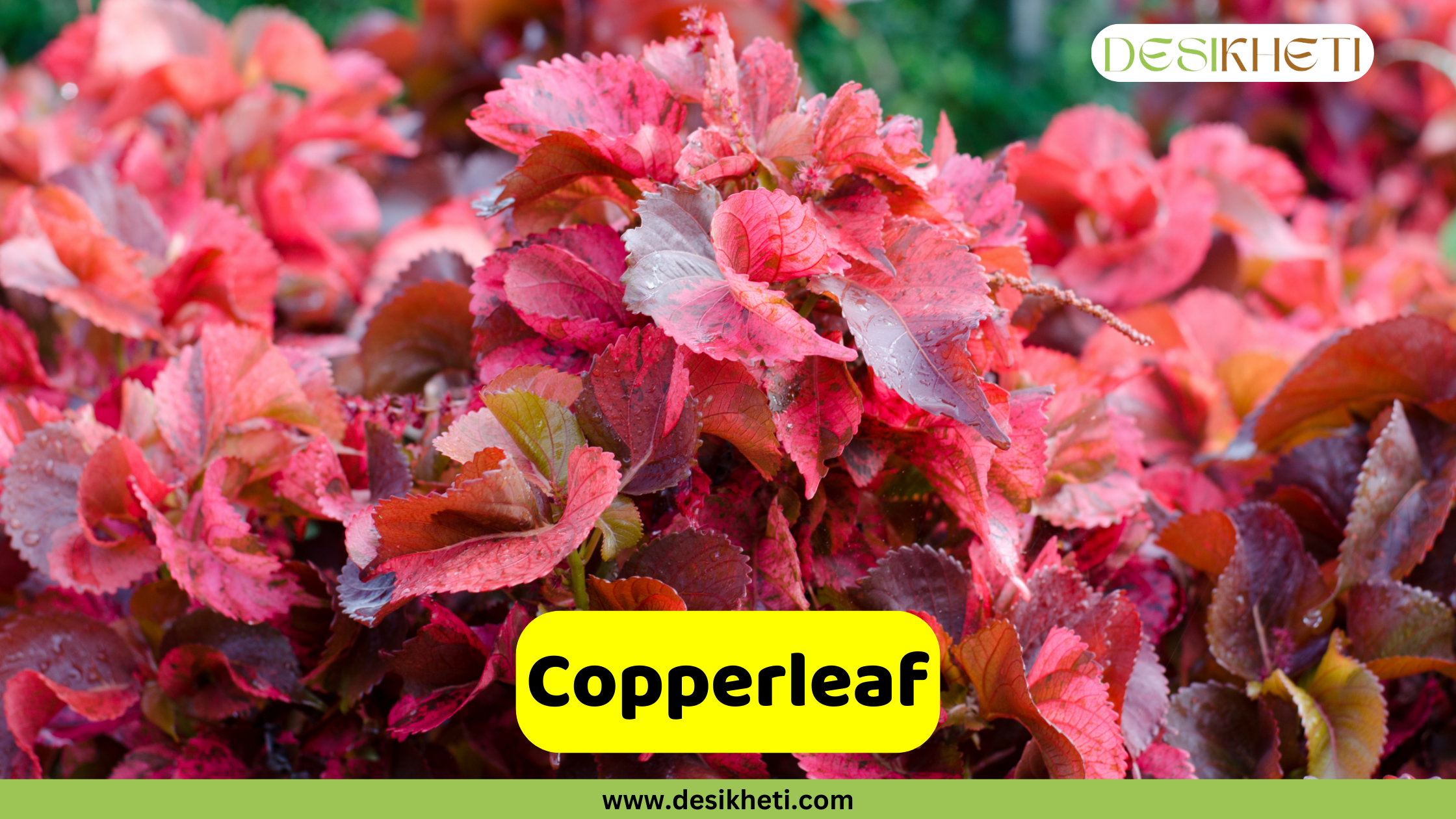
Botanical Name: Acalypha wilkesiana
Copperleaf is a foliage shrub with bold, heart-shaped leaves in variegated shades of copper, green, pink, and bronze. It thrives in warm climates and benefits from regular trimming to maintain compact growth.
Uses and Benefits:
- Perfect for tropical landscapes
- Great for containers or beds
- Offers year-round foliage interest
Jasmine (Mogra)
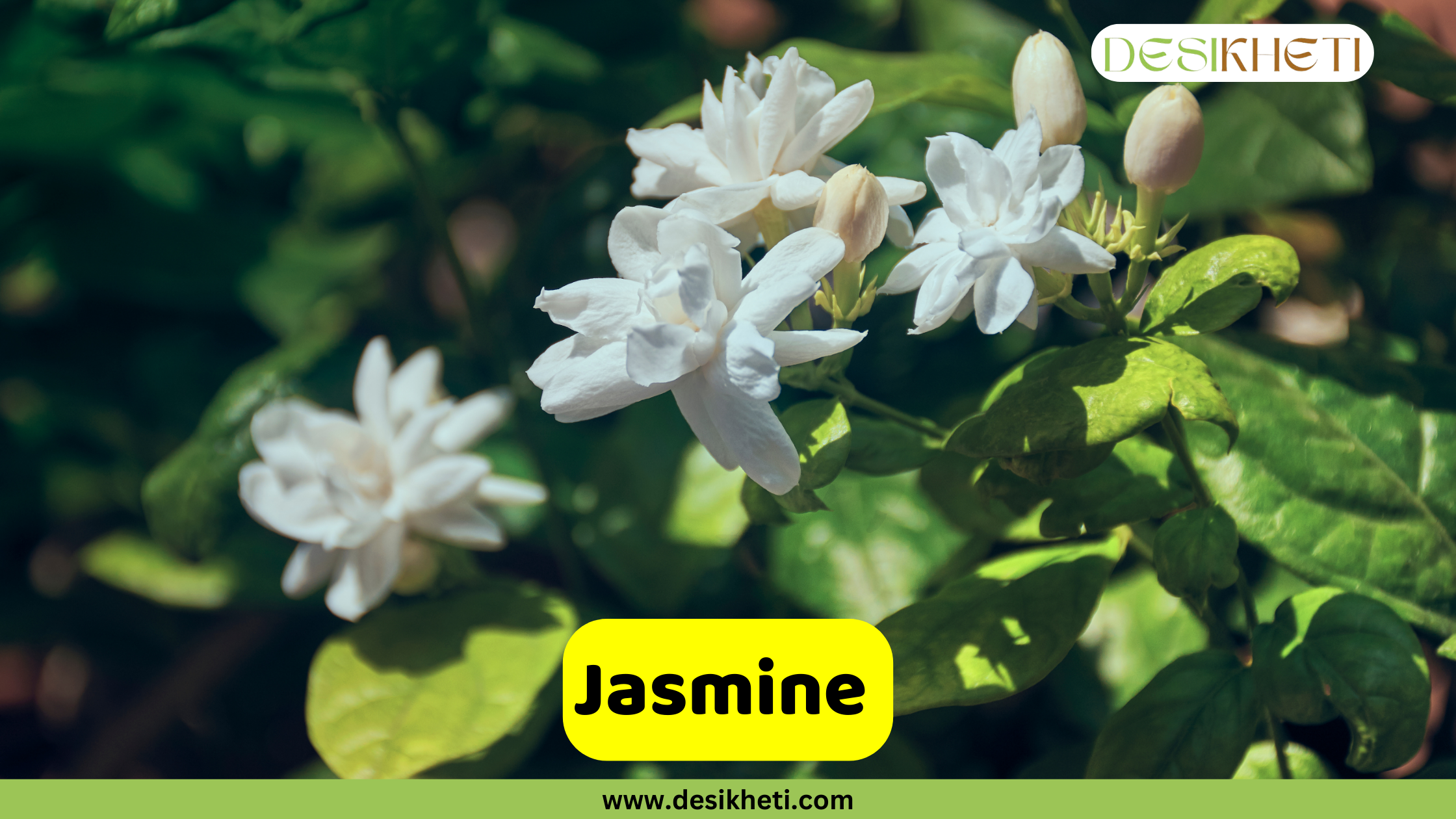
Botanical Name: Jasminum sambac
Jasmine is an evergreen shrub with glossy foliage and intensely fragrant white flowers that bloom in warm months. The plant is widely used in garlands and perfumes.
Uses and Benefits:
- Popular for garlands and cut flowers
- Suitable for hedges, screens, and pots
- Attracts pollinators
Snowbush
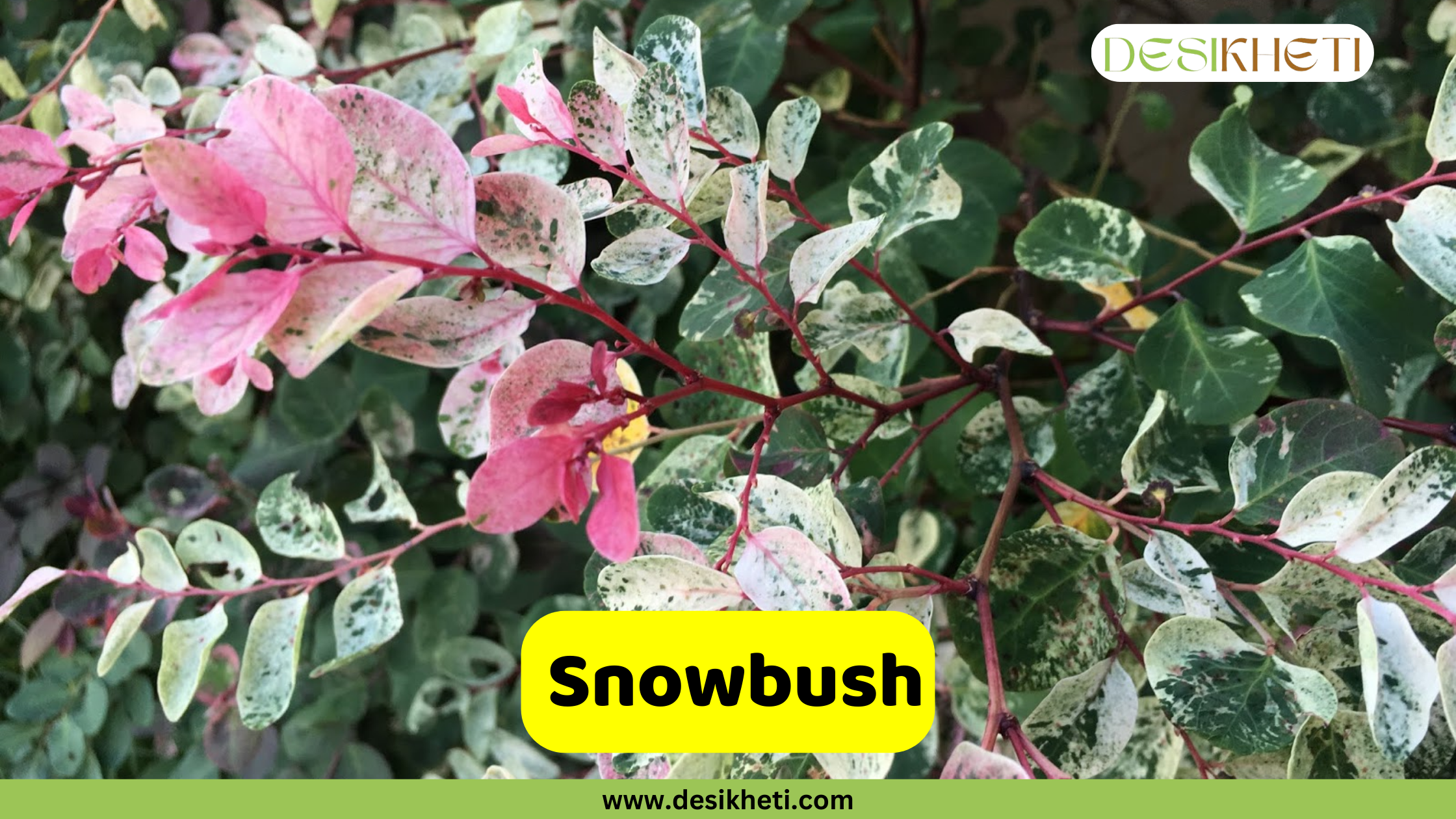
Botanical Name: Breynia disticha
Snowbush is a compact ornamental shrub with small green leaves variegated in pink and white. Its foliage remains colorful year-round. It prefers moist, semi-shaded conditions and benefits from regular trimming to maintain compactness.
Uses and Benefits:
- Great for containers or shady beds
- Provides multicolored foliage contrast
- Low maintenance
Hibiscus
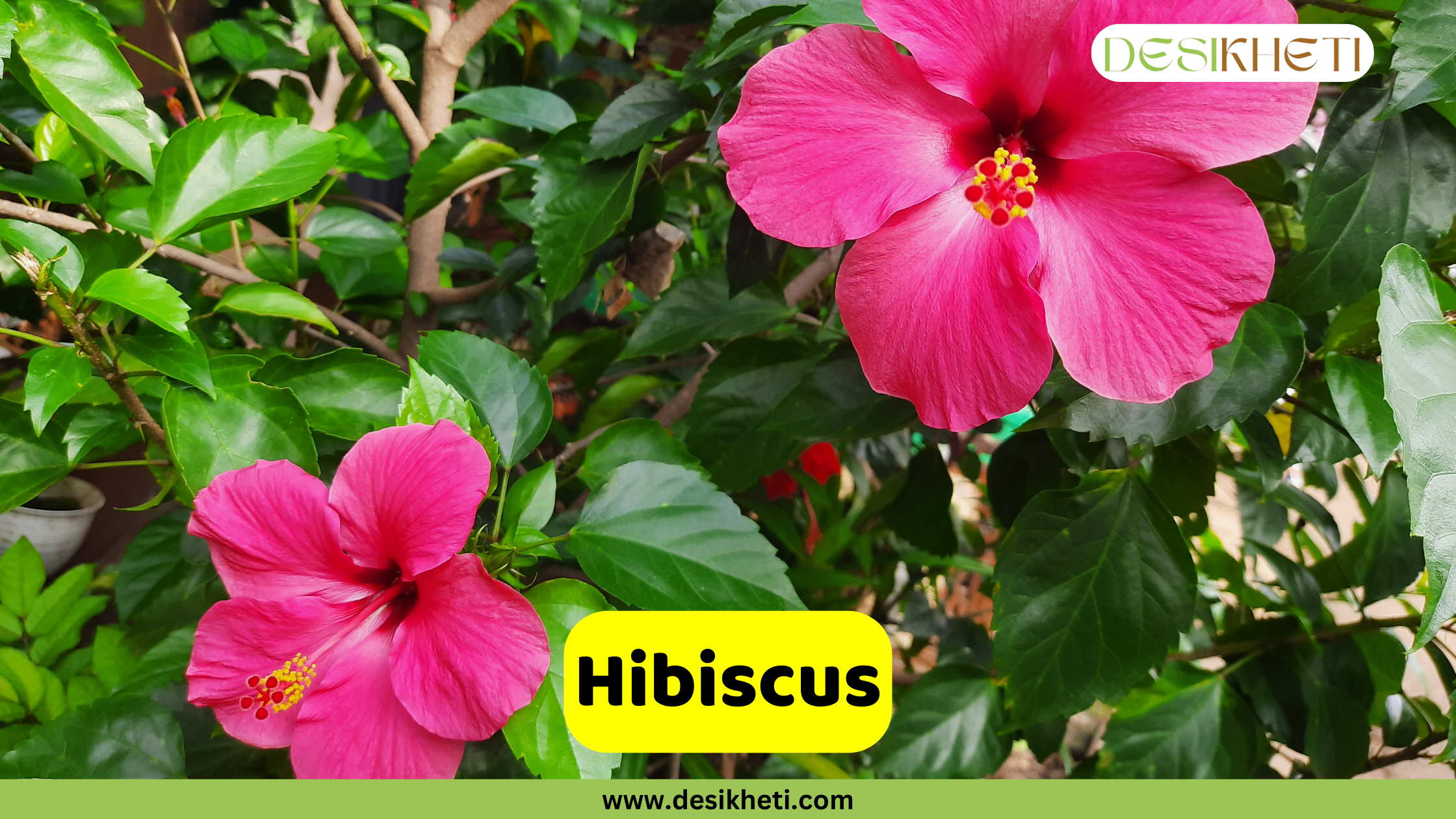
Botanical Name: Hibiscus rosa-sinensis
Hibiscus is an evergreen shrub with glossy green leaves and large, trumpet-shaped flowers in red, yellow, pink, white, and orange. It blooms nearly year-round in tropical regions. Pruning after flowering encourages new growth and more blooms.
Uses and Benefits:
- Excellent for attracting pollinators
- Widely used in traditional medicine and cultural ceremonies
- Provides continuous, vibrant blooms
Growing and Care Tips
- Sunlight: Match your shrub to the appropriate light conditions. Some thrive in full sun, while others prefer dappled or partial shade.
- Watering: Avoid waterlogging, especially in clay-rich soils.
- Soil Preparation: Use well-draining, compost-rich soil. Improve poor soil with organic matter such as leaf mulch or farmyard manure.
- Pruning: Trim after flowering to maintain shape, remove dead stems, and encourage new growth.
- Mulching: Apply mulch around the base to retain moisture, suppress weeds, and regulate root temperature.
- Feeding: Provide a balanced organic fertilizer during active growth per
Shrubs are the unsung heroes of Indian gardens bold, beautiful, and practical. They provide year-round color, create habitats for pollinators, and help define garden borders and spaces.
Whether you envision a tropical, formal, or cottage-style garden, the right mix of shrubs can dramatically enhance your outdoor aesthetics. Share which is your favorite shrub in the comments below.
FAQs on Top Shrub Plants
1. Why is Bougainvillea not flowering?
A. Lack of sunlight, overwatering, or excess nitrogen fertilizer are some causes that can prevent blooming.
2. What are some interesting facts about Ixora?
A. Ixora is also called the “Flame of the Woods.”
3. What disease is common in Oleander?
A. Oleander leaf scorch, caused by Xylella fastidiosa, is a common disease.
4. What are the disadvantages of Oleander?
A. All parts are toxic, and the plant is invasive in some regions.
5. What is the benefit of the Duranta plant?
A. Duranta provides ornamental beauty, attracts birds, and is used for hedging.
6. Why is my Plumbago not blooming?
A. Insufficient sunlight, pruning at the wrong time, or poor soil fertility can be causes.
7. What are the characteristics of Tecoma?
A. Tecoma has trumpet-shaped yellow or orange flowers.
8. Is Tecoma a perennial or annual?
A. Tecoma is a perennial shrub.
9. What is Cassia called in India?
A. Cassia is called Amaltas or Indian Laburnum.
10. What is the classification of Clerodendrum?
A. It belongs to the family Lamiaceae and genus Clerodendrum.
11. How do you take care of a Sky Flower?
A. Water moderately, prune regularly, and provide sunlight.
12. What are the benefits of the Duranta plant?
A. It provides ornamental value, hedge formation, and attracts pollinators.
13. What is special about Gardenia?
A. It is known for its fragrant white flowers and glossy green leaves.
14. What is Gardenia called in India?
A. Gardenia is commonly called Cape Jasmine.
15. Where is the best place to plant Pentas?
A. In garden beds, borders, or pots in sunny spots.
16. What are the benefits of Copperleaf plants?
A. Copperleaf is valued for its colorful foliage and use in hedge planting.
17. What are some interesting facts about Jasmine?
A. Jasmine flowers are used in perfumes and are sacred in many cultures.
18. What are some interesting facts about Hibiscus?
A. Hibiscus is the national flower of Malaysia.
