Table of Contents
Introduction
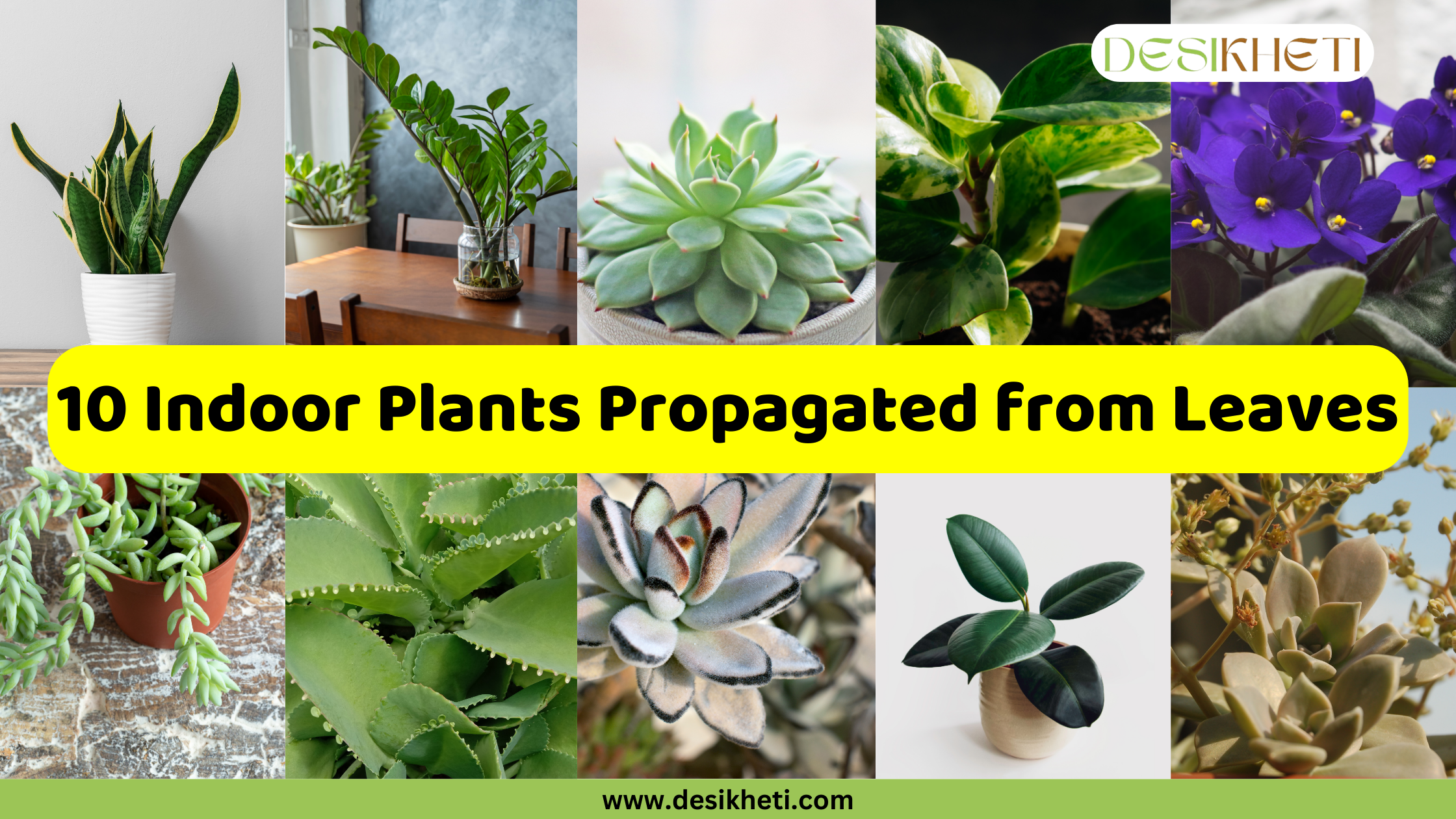
Want to have lots of indoor plants in a cost-effective way? Then you are at the right place.
Leaf propagation is one of the most fascinating and budget-friendly ways to grow your indoor plant collection. Many popular houseplants can regenerate beautifully from leaf cuttings, making it an eco-friendly way to multiply your greenery and share plants with friends. Imagine turning a single leaf into a whole new plant with no seeds, no expensive tools, just a bit of patience and care. This method is especially ideal for urban gardeners and plant lovers with limited space.
In this blog, we explore some of the best indoor plants that can be propagated from leaves, ranging from hardy succulents to flowering beauties. So, without further delay, let’s dive into the blog.
Top Indoor Plants That Can Be Propagated from Leaves
Snake Plant
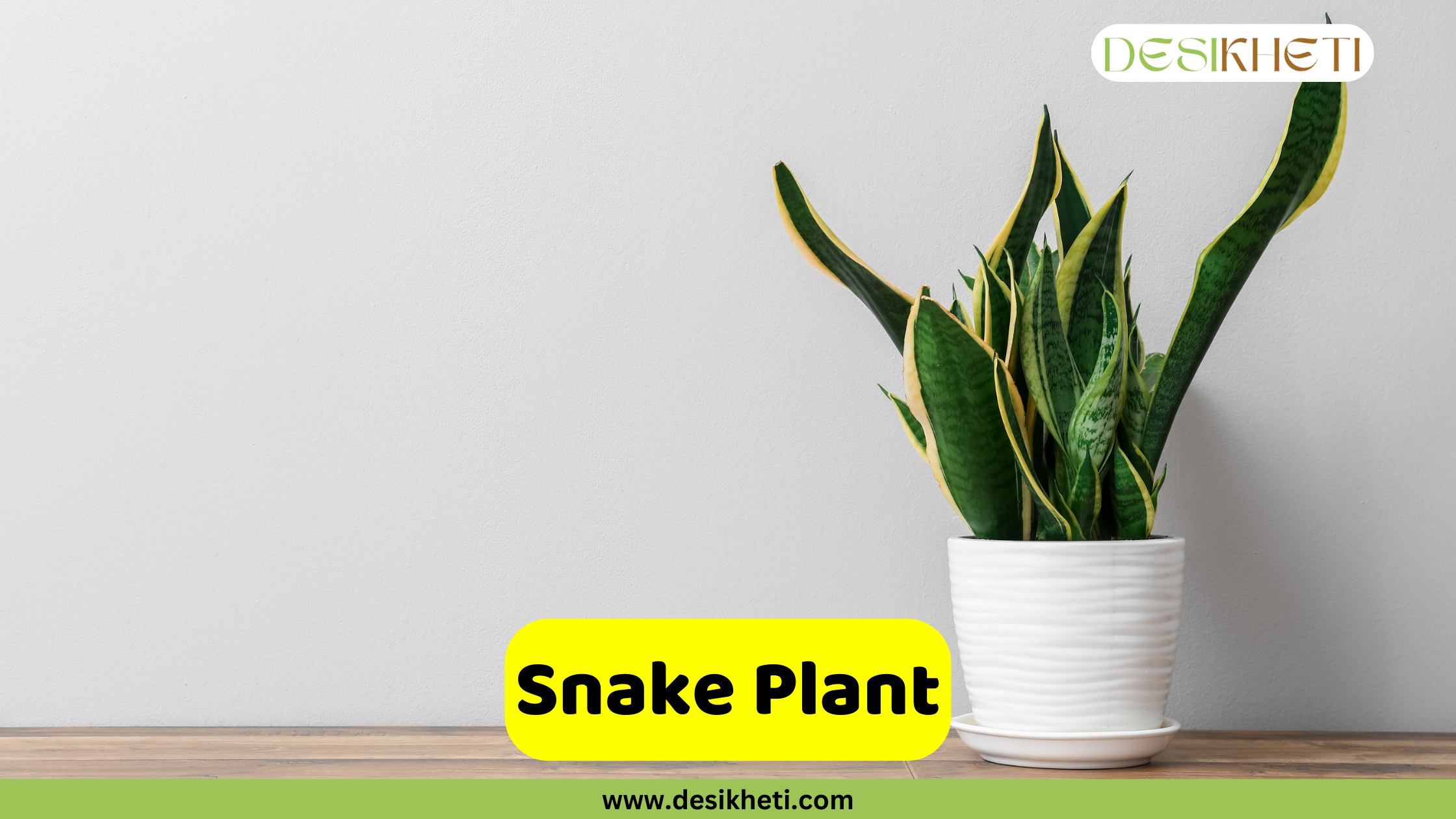
Botanical Name: Sansevieria trifasciata
Snake plants can be propagated from leaf cuttings, either in water or directly in well-draining soil. Cut a healthy leaf into 3–4 inch sections, let the cut ends dry for a day, and plant them upright. They thrive in bright, indirect light but can tolerate low light.
Uses and Benefits:
- Excellent air purifier
- Extremely low maintenance
- Ideal for bedrooms and offices
ZZ Plant
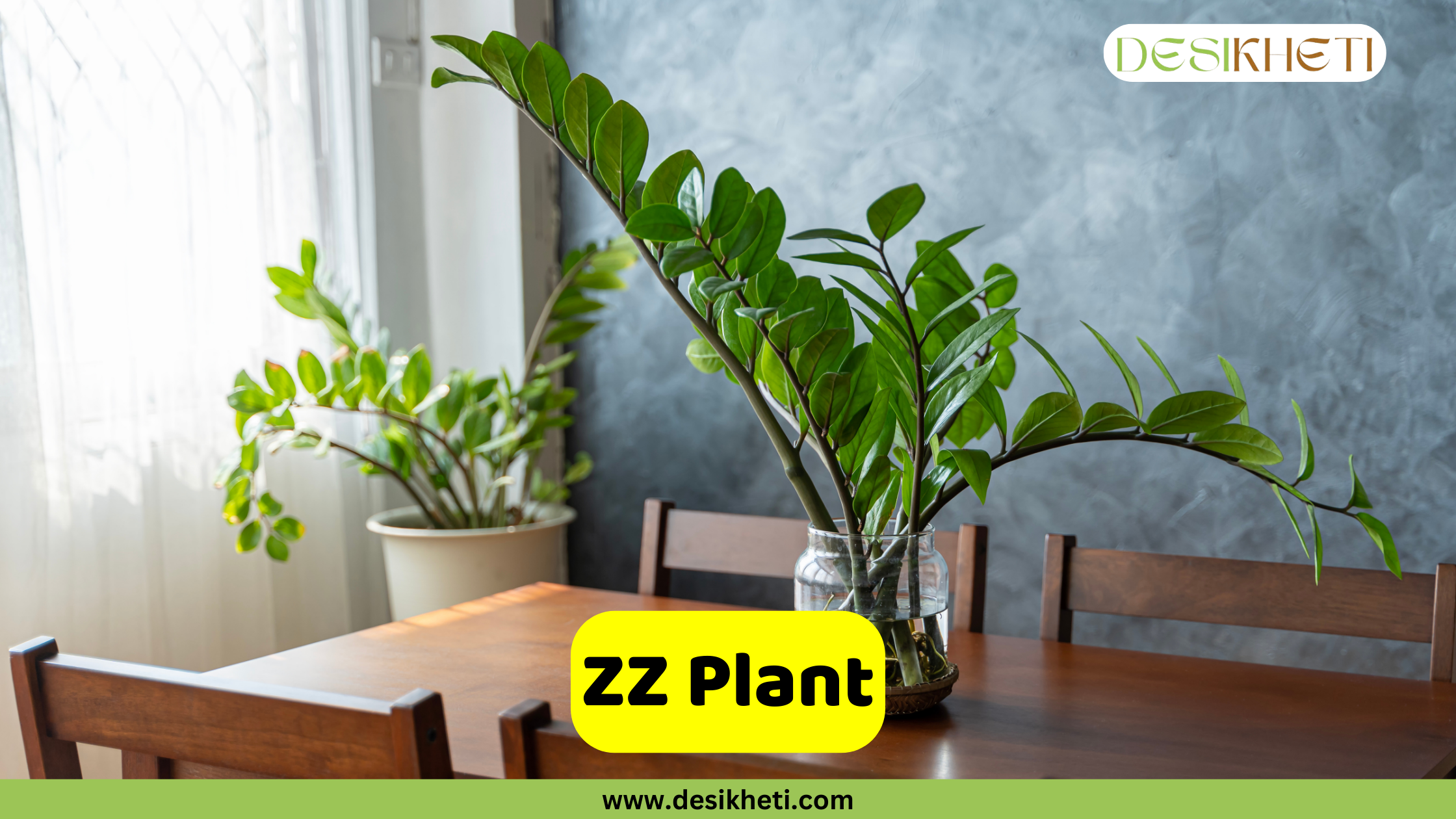
Botanical Name: Zamioculcas zamiifolia
ZZ plants can be propagated by placing leaflets (with a small piece of the petiole) in moist soil or water until roots and rhizomes form. This process is slow but effective. Place the plant in medium to low indirect light, and use a well-draining potting mix.
Uses and Benefits:
- Attractive glossy foliage
- Performs well in low light
- Great for beginners and office spaces
Echeveria

Botanical Name: Echeveria elegans
Remove healthy leaves from the base and lay them on top of dry soil in a bright spot. Mist the soil lightly every few days until new roots and rosettes appear.
Uses and Benefits:
- Decorative rosette shape
- Minimal care required
- Ideal for windowsills and shelves
Peperomia

Botanical Name: Peperomia obtusifolia
Peperomia can be propagated using leaf or stem-leaf cuttings. Place the cuttings in moist soil or water. They root well in warm, humid environments with indirect sunlight. Use a peat-based soil mix and keep it slightly moist but not soggy.
Uses and Benefits:
- Compact and perfect for small spaces
- Many leaf textures and colors available
African Violet
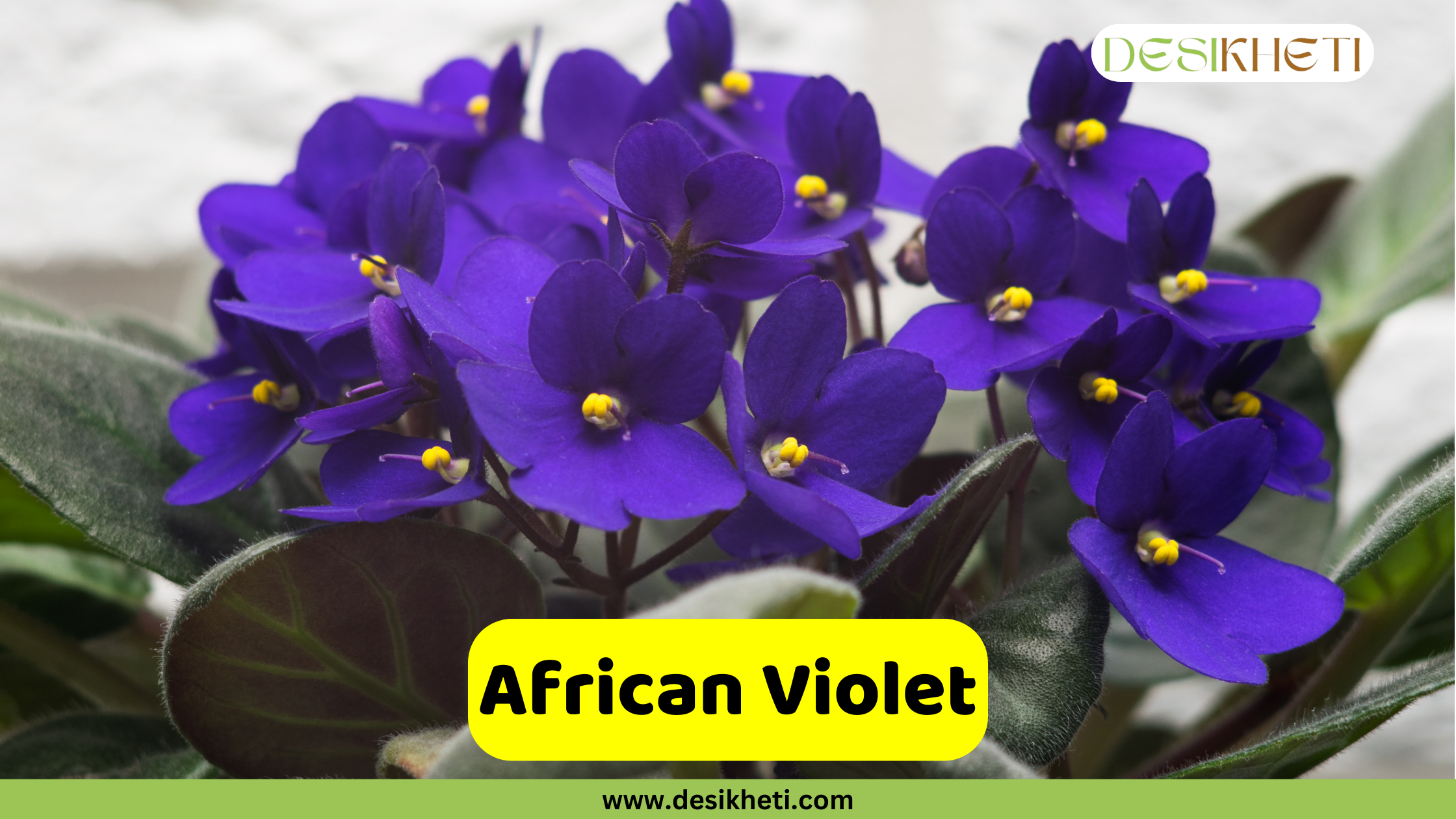
Botanical Name: Saintpaulia ionantha
Cut a healthy leaf with about 1–2 inches of its stem and place it in a moist potting mix or water. African violets love warm temperatures and indirect, filtered light. Use a light, airy soil with good moisture retention.
Uses and Benefits:
- Produces beautiful purple, pink, or white blooms
- Perfect flowering plant for indoors
Sedum (Burro’s Tail)
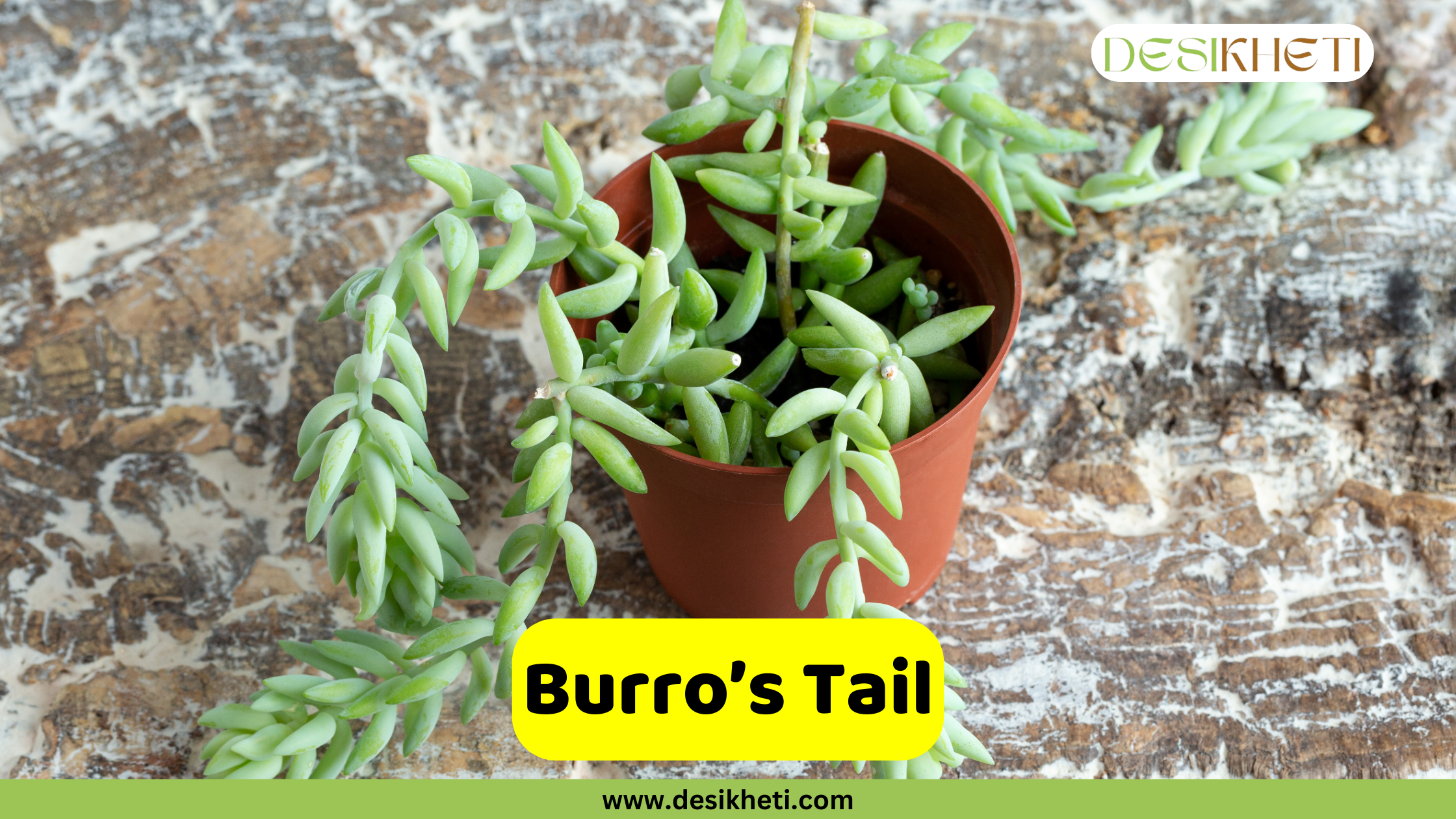
Botanical Name: Sedum morganianum
Sedum easily propagates from fallen leaves. Place them on top of cactus soil and mist lightly until roots form. It needs bright light and warm conditions to thrive. Water only when the soil is completely dry.
Uses and Benefits:
- Beautiful trailing plant for hanging pots
- Adds texture to indoor plant displays
- Low maintenance and fast-growing
Bryophyllum (Mother of Thousands)
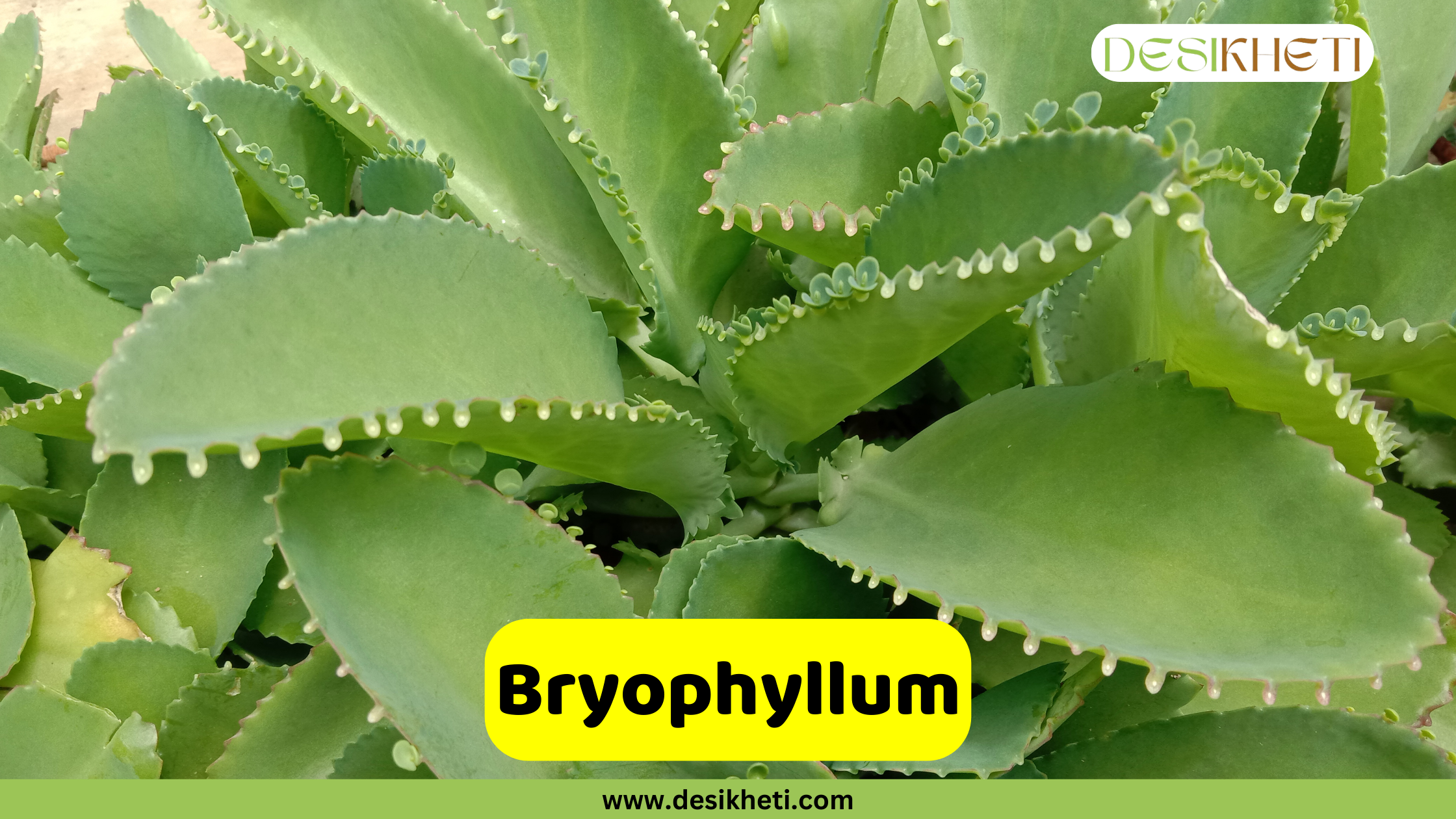
Botanical Name: Kalanchoe daigremontiana
This plant produces small plantlets along its leaf edges, which fall off and root easily in soil. It prefers bright, indirect light and well-drained sandy soil. Water moderately, allowing the soil to dry between waterings.
Uses and Benefits:
- Self-propagating from leaf edges
- Grows rapidly indoors or on balconies
- Unusual and striking leaf structure
Panda Plant
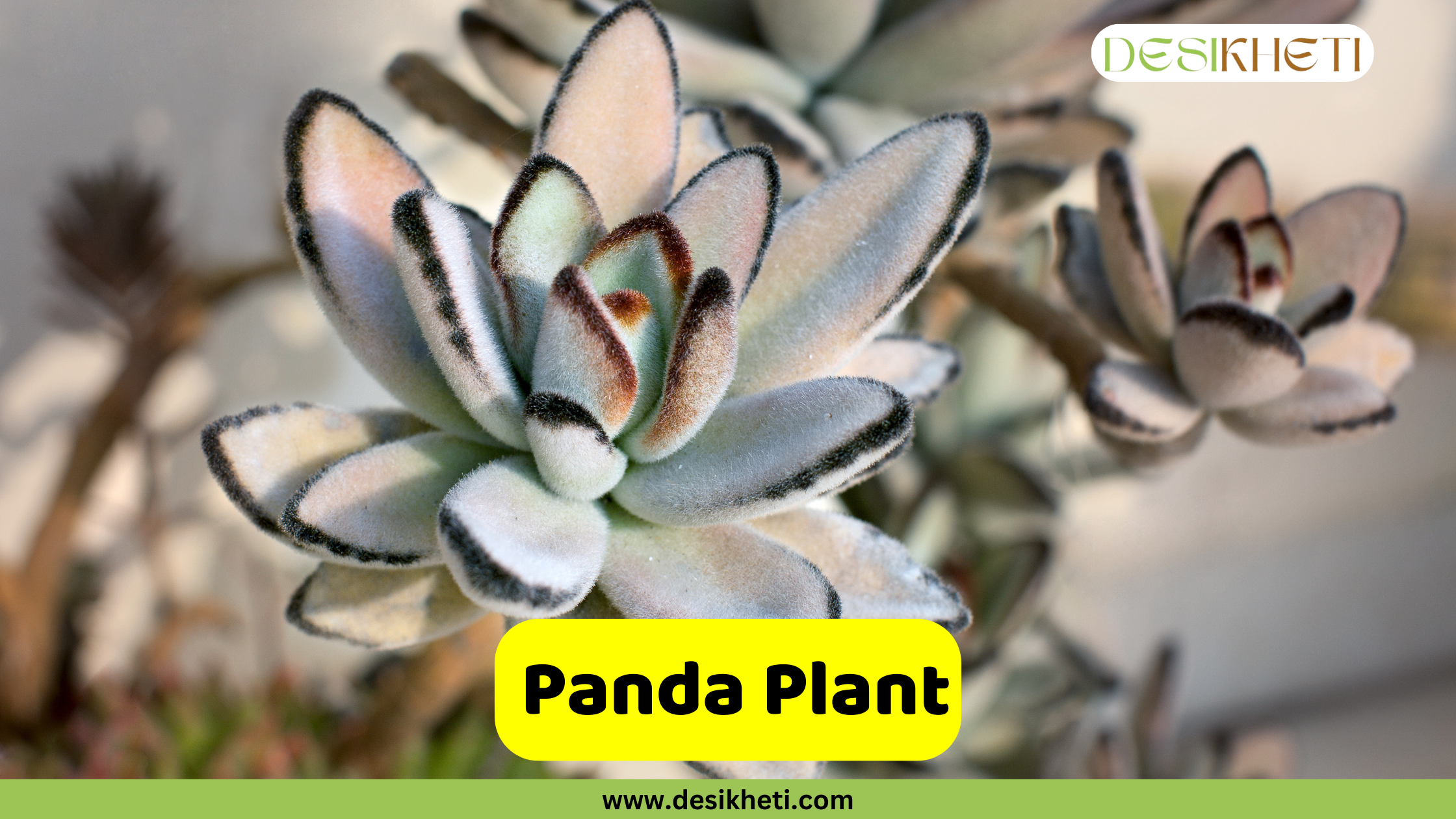
Botanical Name: Kalanchoe tomentosa
The Panda Plant can be propagated from individual fuzzy leaves. Let the detached leaf callous for a day or two, then place it on well-draining succulent soil. Mist lightly until roots develop.
Uses and Benefits:
- Velvety leaves with brownish-red tips
- Easy to maintain
Baby Rubber Plant
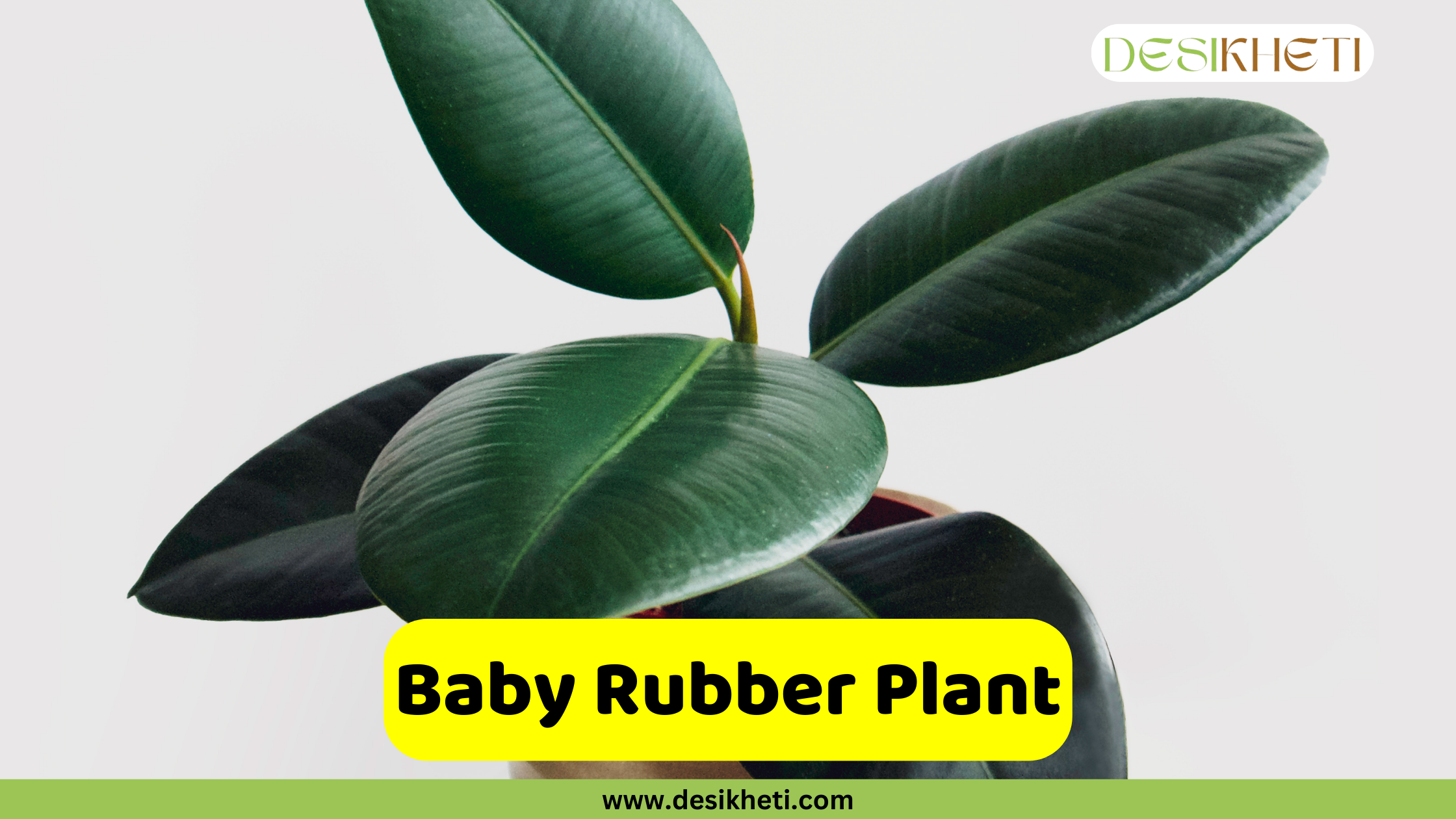
Botanical Name: Peperomia obtusifolia
This plant can be propagated by inserting a full leaf or a leaf with a stem directly into a moist potting mix. It prefers moderate to bright, indirect light and a well-draining soil mix.
Uses and Benefits:
- Compact and lush with thick, glossy leaves
- Ideal for small indoor spaces
Graptopetalum (Ghost Plant)
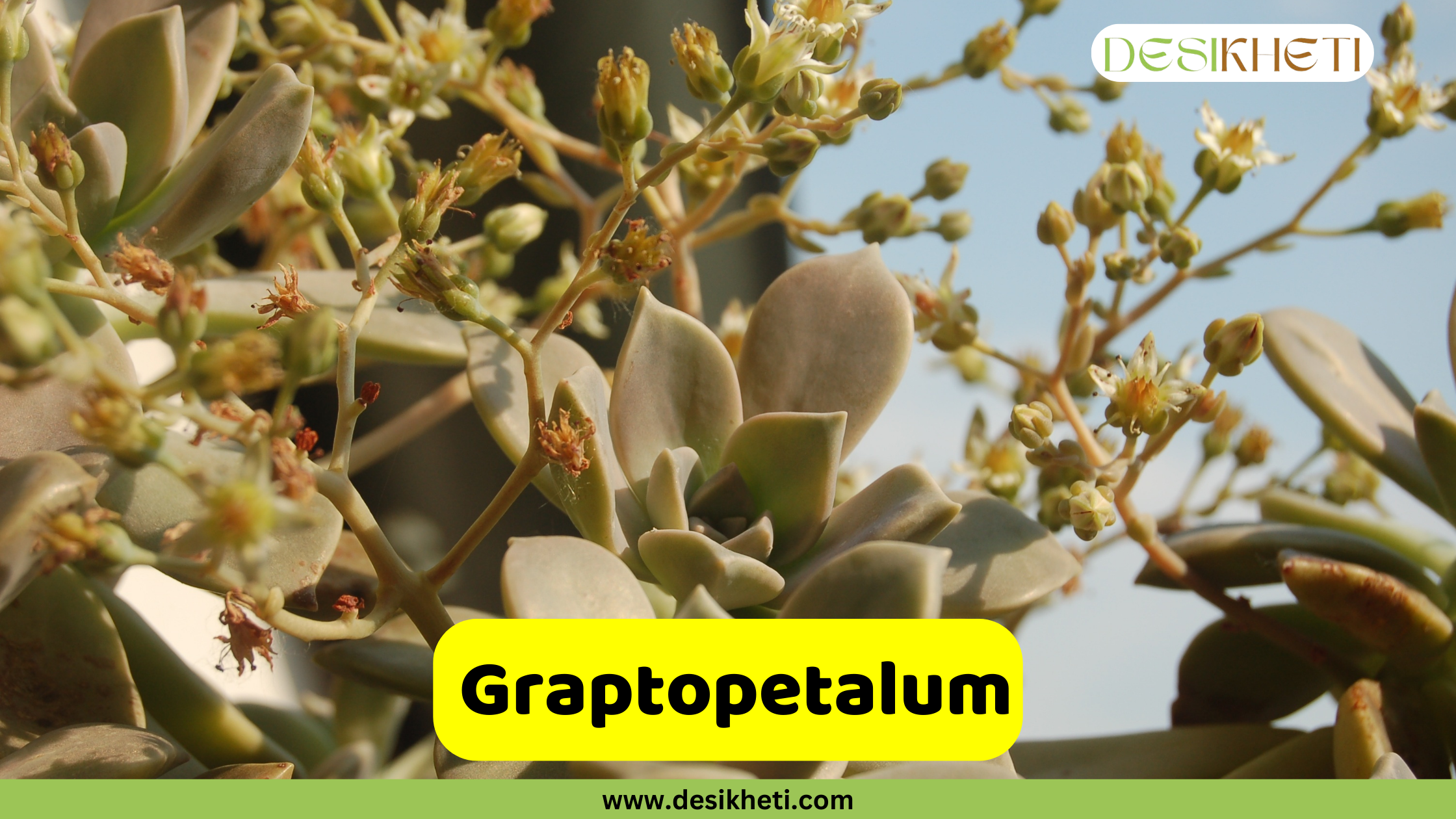
Botanical Name: Graptopetalum paraguayense
Remove a healthy leaf and allow it to be callous for a day. Lay it on dry, gritty soil in bright light. Mist occasionally. Roots and rosettes develop within a few weeks.
Uses and Benefits:
- Beautiful pastel-colored foliage
- Ideal for succulent arrangements
Tips for Leaf Propagation Success
- Use sterile tools to prevent infections when cutting leaves.
- Use well-draining soil.
- Water sparingly overwatering is the most common mistake in propagation.
- Place cuttings in bright, indirect sunlight, not harsh direct sun.
- Be patient, some plants root in a week, while others may take a month or more.
- Once roots form, transplant them into small pots and gradually adjust light and water.
Propagating indoor plants from leaves is not just easy; it’s economical too. With a bit of care and patience, you can turn a single leaf into a thriving plant that enhances your living space, purifies the air, and lifts your mood. Leaf propagation allows you to expand your indoor jungle affordably and sustainably.
Whether you’re a hobbyist, an eco-conscious gardener, or someone looking to grow plants for gifting, leaf propagation is a wonderful journey to begin. So grab a few leaves, prepare your pots, and let your green journey take root!
