Table of Contents
Introduction
Ever wondered that not just diamonds, but flowers too can cost millions?
Flowers are one of nature’s most captivating creations symbols of love, celebration, beauty, and even wealth. While most blooms are affordable and easy to find, there exists a realm of rare and exotic flowers that come with jaw-dropping price tags. These luxurious flowers are prized for their rarity, delicate cultivation processes, seasonal limitations, and striking beauty that make them unforgettable.
From ancient tulips that once caused economic bubbles to lab-created orchids auctioned for hundreds of thousands of dollars, the world of premium flowers and their stories is as fascinating as it is fragrant.
In this blog, we explore the 15 most expensive flowers in the world. Whether you’re a flower enthusiast, a luxury collector, or simply curious about botanical extravagance, this list will leave you in awe.
So, without further delay, let’s dive in.
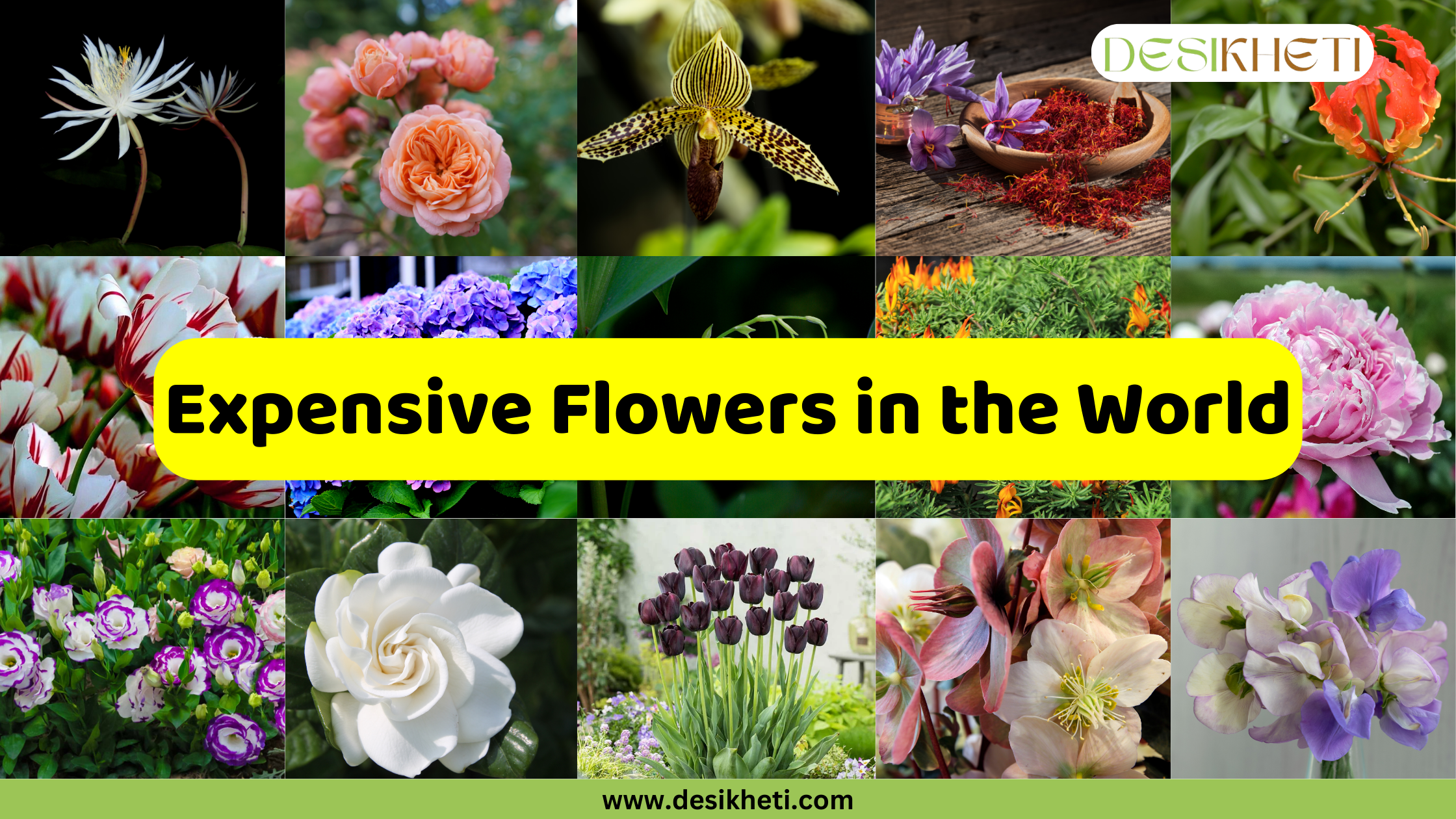
15 Most Expensive Flowers in the World
Kadupul Flower
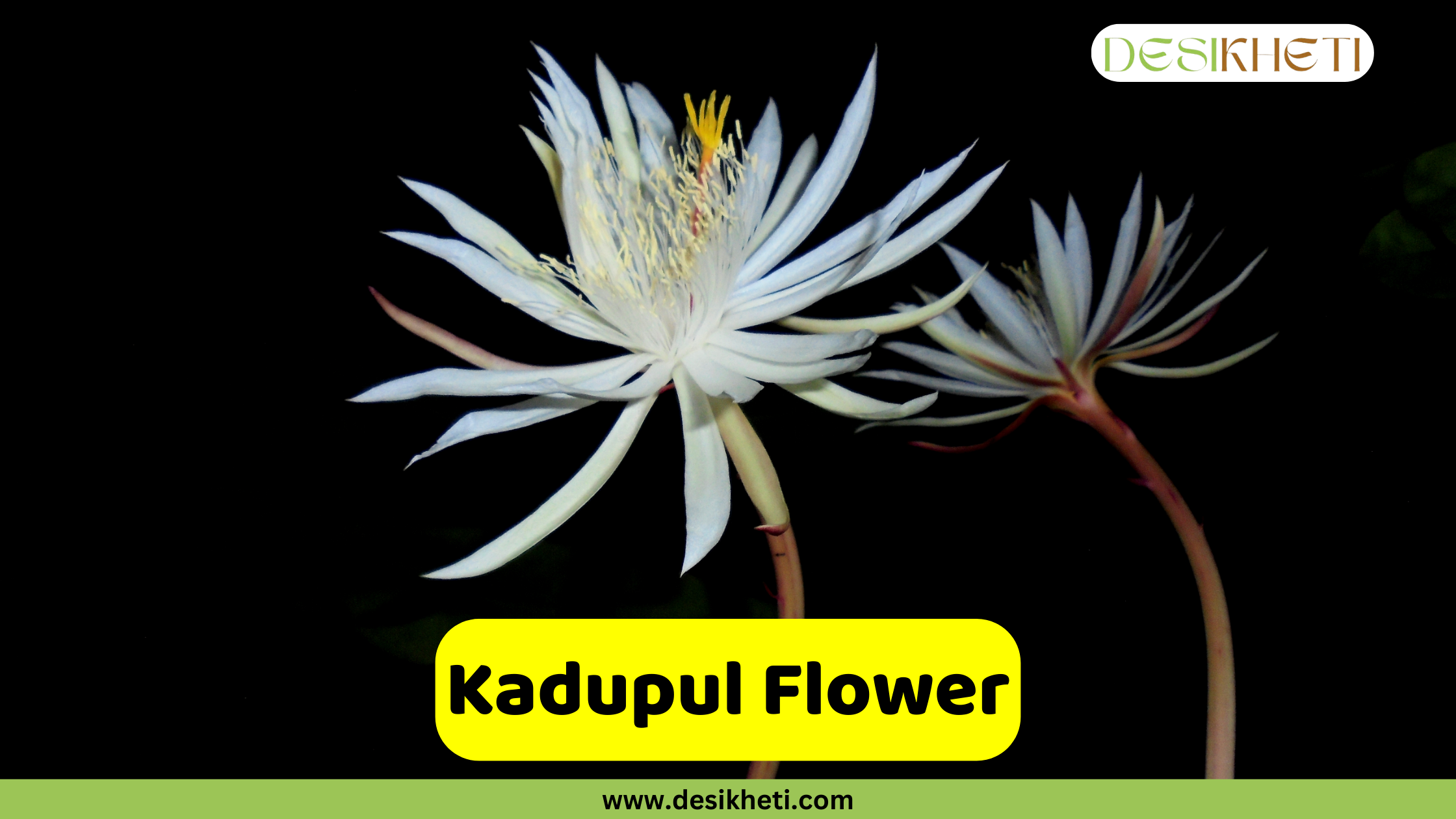
Botanical Name: Epiphyllum oxypetalum
The Kadupul flower is a rare night-blooming cactus. Its large, star-shaped white petals exude a sweet fragrance and bloom only at night, typically around midnight. The flower wilts before dawn, making it one of the most fleeting and ethereal blooms on earth.
Why It’s Expensive:
Its value lies in its extreme rarity and short lifespan. It wilts within hours, making commercial harvesting and selling virtually impossible. It also blooms unpredictably, only on a few nights each year.
Interesting Facts:
- Also known as “Queen of the Night”
- Considered sacred in some Asian cultures
Juliet Rose
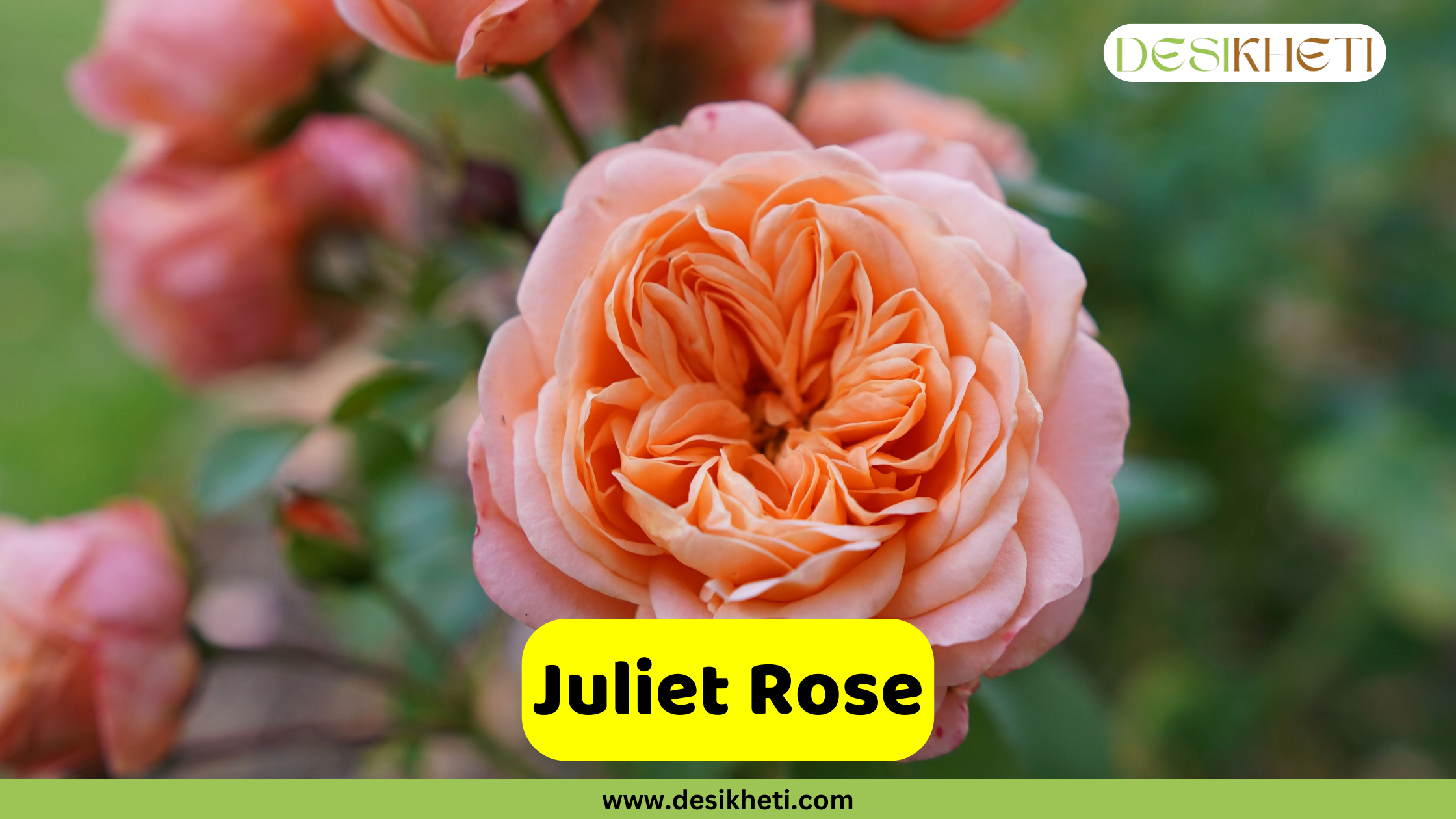
Botanical Name: Rosa ‘Juliet’
The Juliet Rose is a hybrid English rose with large, cupped blooms in a soft apricot-peach hue. It has a pleasant tea-rose fragrance and layers of neatly packed petals that open symmetrically. It took around 15 years of breeding by David Austin to perfect.
Why It’s Expensive:
Its unique color, exquisite form, and exclusivity drive up its market price.
Interesting Facts:
- Known as the “£3 million rose”
- Debuted at the Chelsea Flower Show in 2006
Gold of Kinabalu Orchid
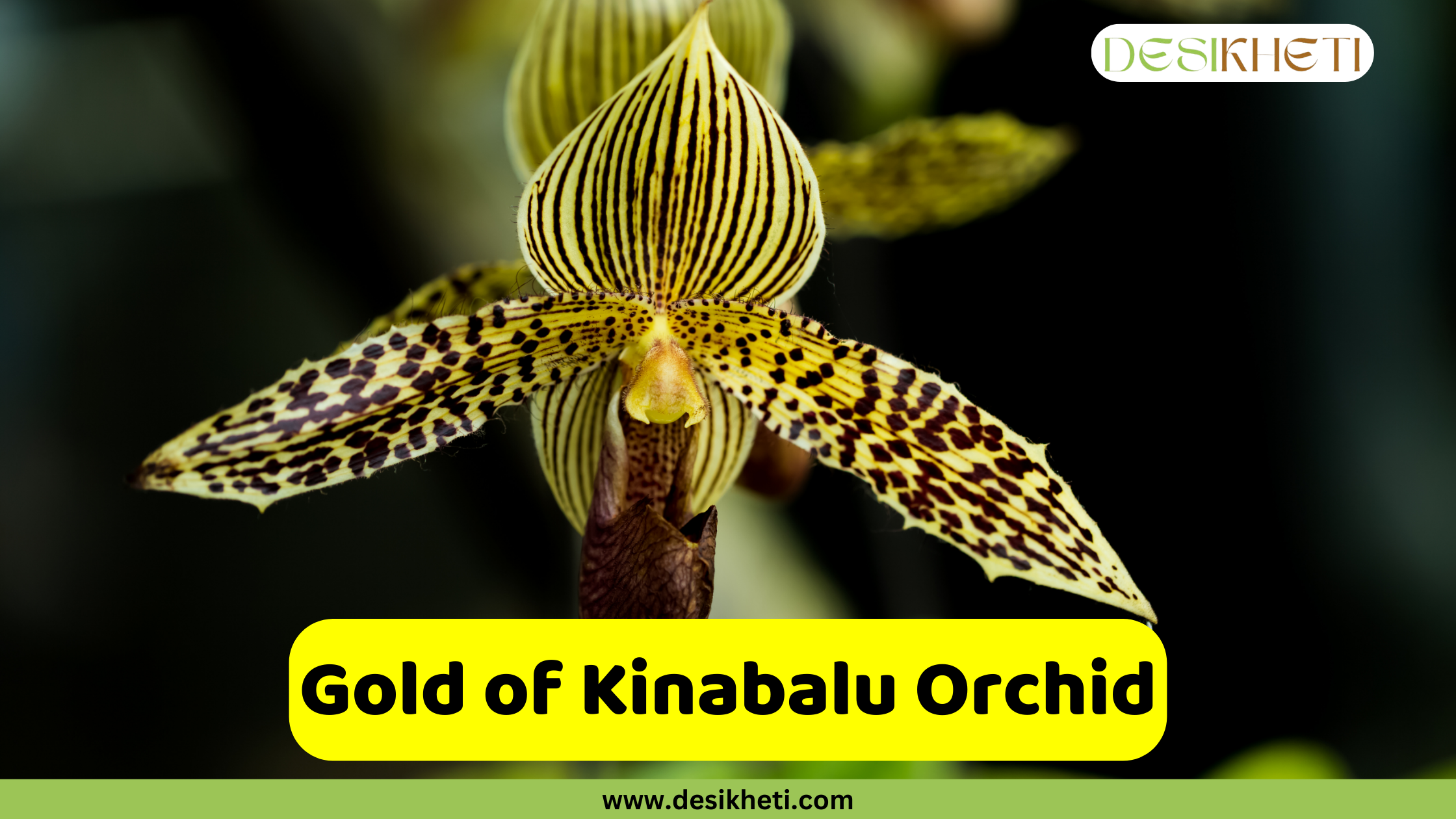
Botanical Name: Paphiopedilum rothschildianum
This stunning slipper orchid is known for its large, striped petals that extend horizontally, resembling a tiger’s pattern. It is found in Kinabalu National Park, Malaysia, and blooms under very specific conditions.
Why It’s Expensive:
It takes 8 to 15 years to bloom and grows in only one location in the world, making it highly endangered and protected.
Interesting Facts:
- Also called “Rothschild’s Orchid”
- Poaching it is a punishable crime under Malaysian law
Saffron Crocus
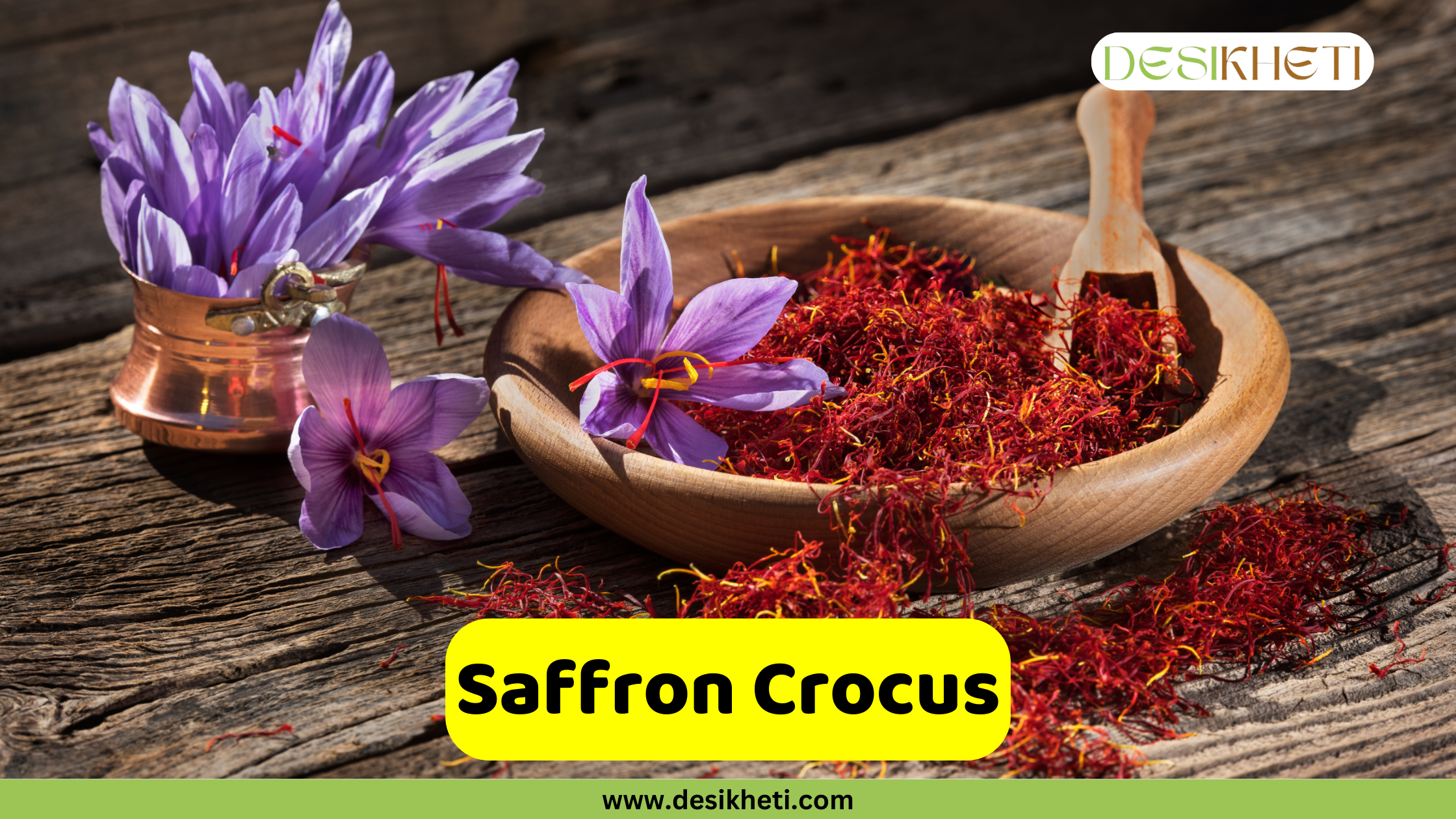
Botanical Name: Crocus sativus
This small purple flower with delicate red stigmas produces the world’s most expensive spice, saffron. The flowers themselves are beautiful, with slender violet petals and golden centers, blooming in autumn for only a short window.
Why It’s Expensive:
It takes around 75,000 flowers to produce a single pound of saffron. The labor-intensive process of hand-harvesting the stigmas makes it extremely costly.
Interesting Facts:
- Used in luxury perfumes, medicines, and gourmet cuisine
- Cultivated extensively in Kashmir and Persian regions
Gloriosa Lily
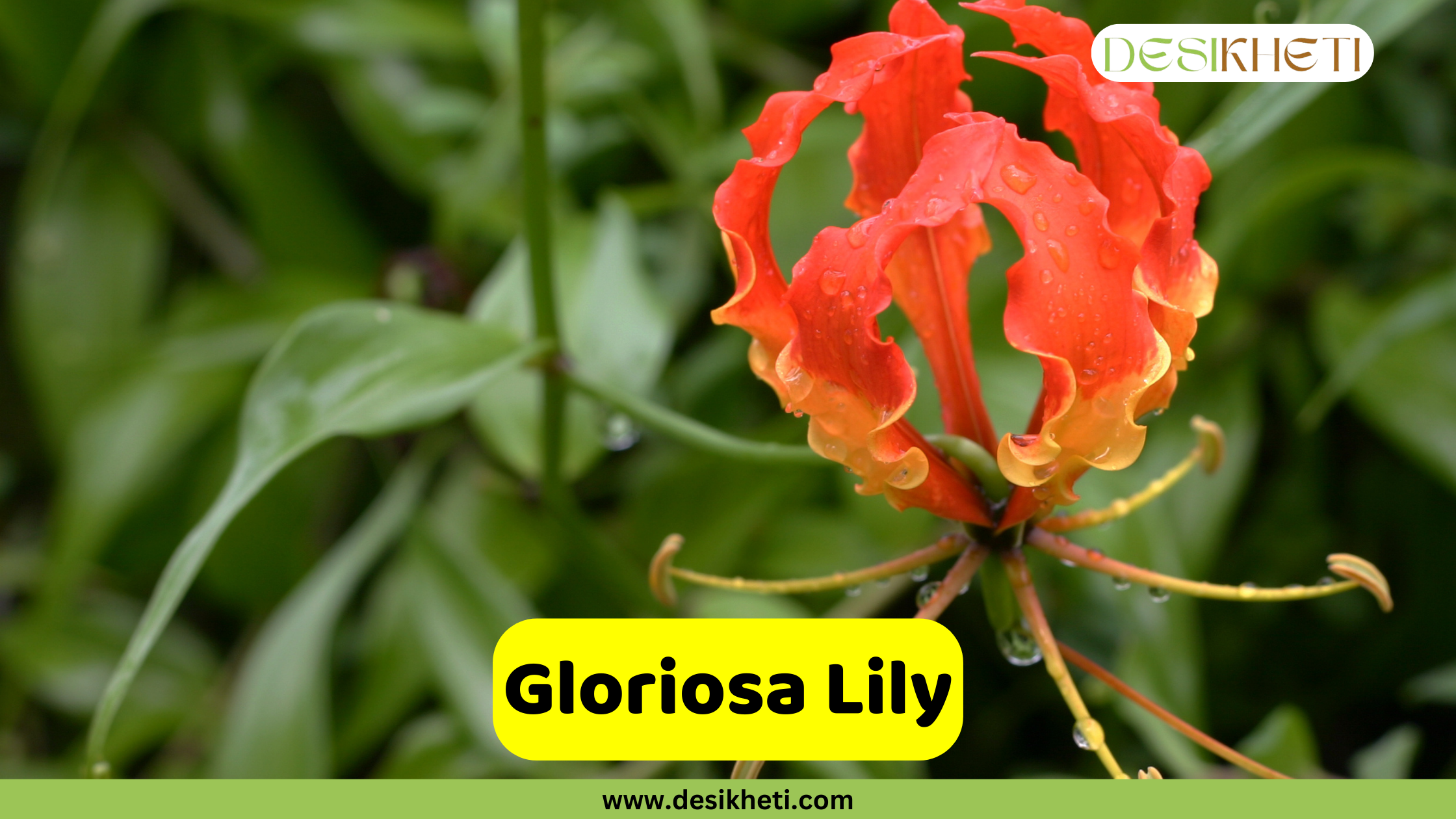
Botanical Name: Gloriosa superba
The Gloriosa Lily, also called the Flame Lily, features dramatic, curled petals that shift from bright yellow at the base to deep red at the tips. Its claw-like shape and vibrant color give it a striking, flame-like appearance.
Why It’s Expensive:
This tropical flower is delicate and tricky to cultivate. Its tubers are toxic and must be handled with care. Due to its unique shape and rarity in floral arrangements, it commands a high price.
Interesting Facts:
- National flower of Zimbabwe
- Used in upscale floral designs for exotic centerpieces
Semper Augustus Tulip
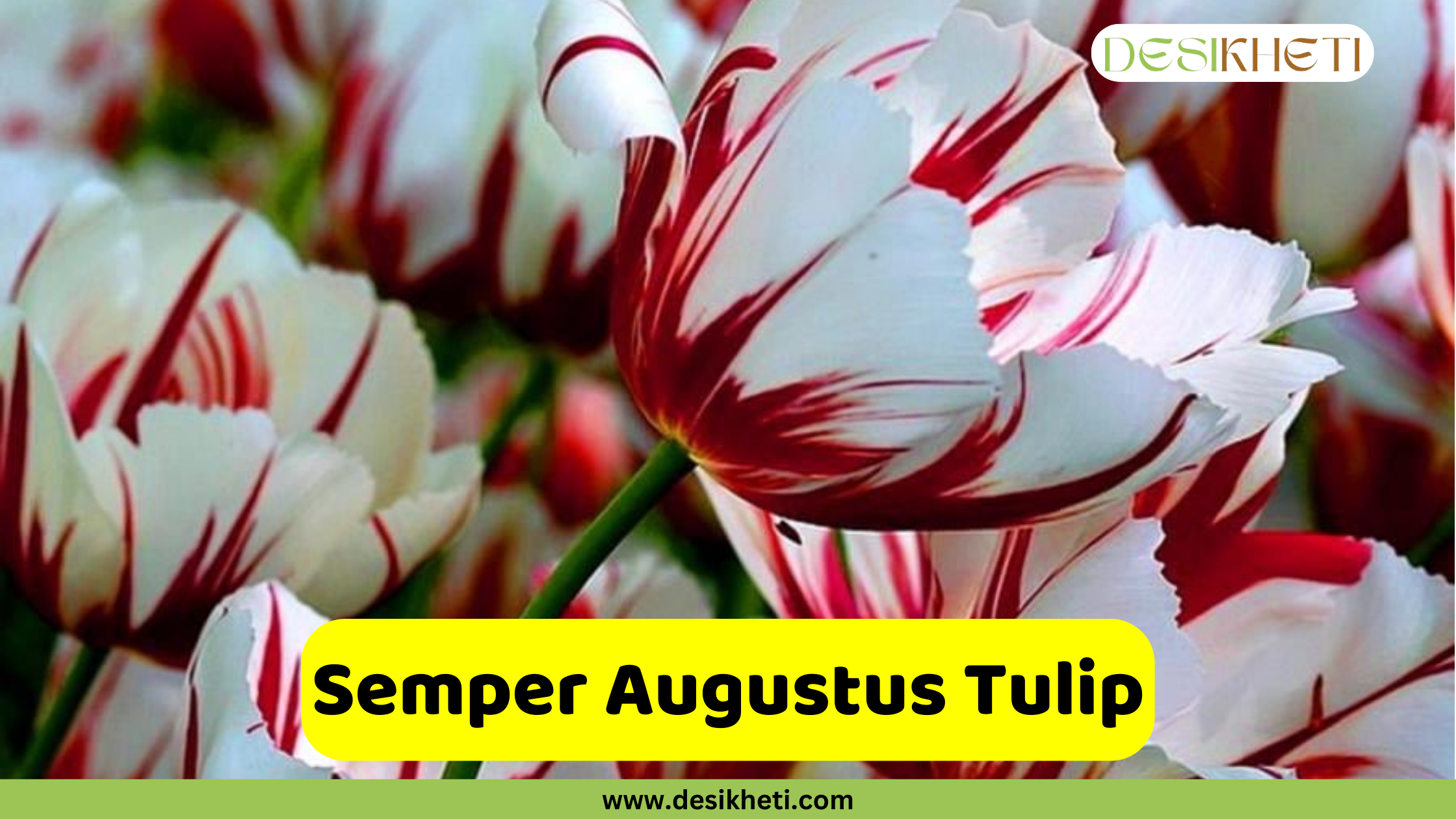
Botanical Name: Tulipa ‘Semper Augustus’
This historic tulip had beautiful crimson and white variegated petals that looked like fine brush strokes. It was the most famous and expensive flower during the Dutch Tulip Mania of the 1600s.
Why It’s Expensive:
Its rarity and streaked pattern (caused by a virus) made it a status symbol in 17th-century Holland. Only a few bulbs existed, leading to extreme bidding wars among the elite.
Interesting Facts:
- Symbolized luxury, wealth, and beauty during Tulip Mania
- Caused one of the earliest recorded economic bubbles
Hydrangea
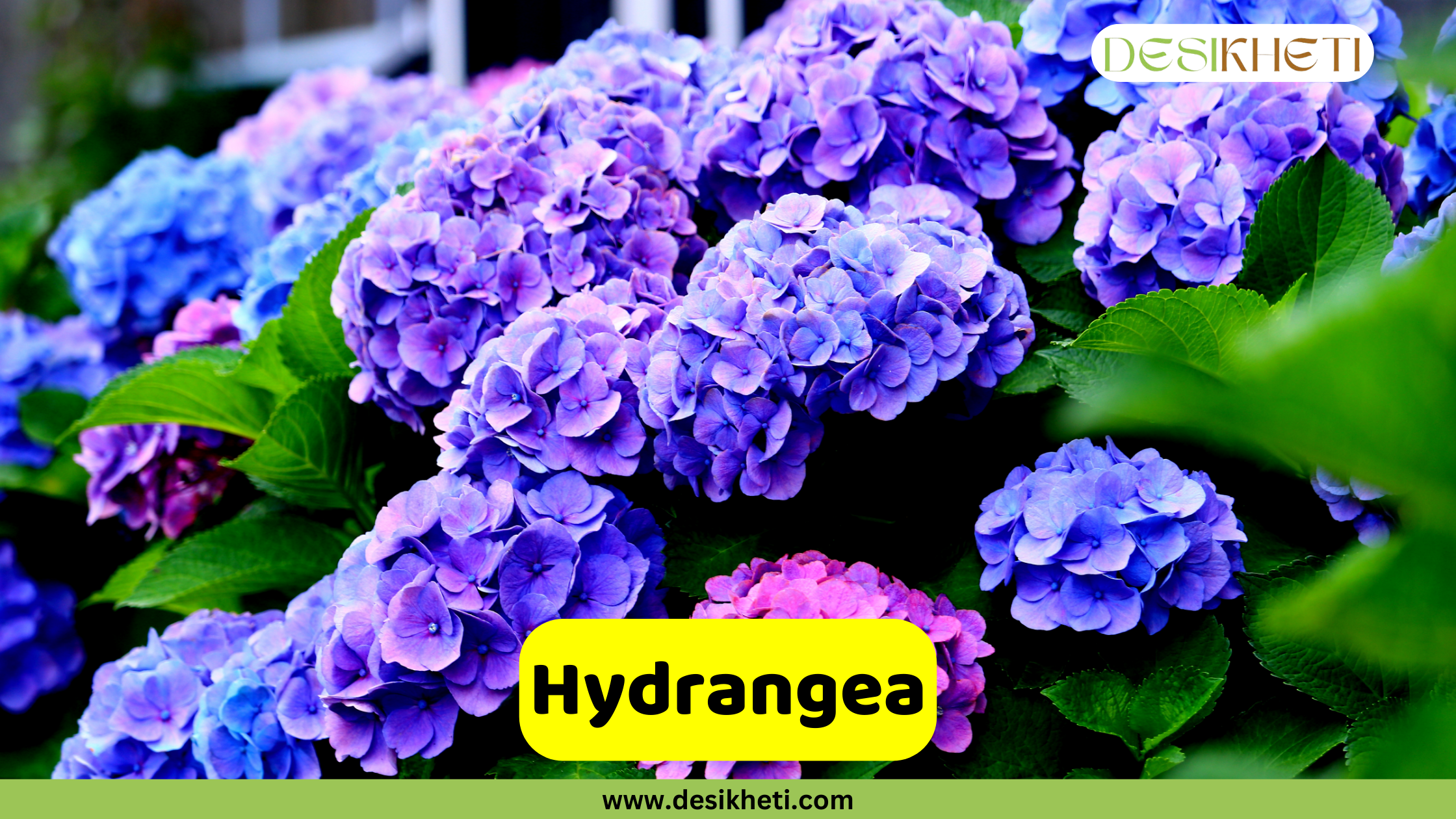
Botanical Name: Hydrangea macrophylla
Hydrangeas are lush, round blooms made up of clusters of tiny flowers. They come in various shades, including blue, pink, white, and purple. Their colors can change based on soil pH, making them visually fascinating.
Why It’s Expensive:
While common in gardens, premium florist-grade hydrangeas especially in rare hues like deep blue or antique green can be expensive. They are delicate, require specific climate conditions, and have a short vase life.
Interesting Facts:
- Popular in high-end event décor for its volume and texture
Lily of the Valley
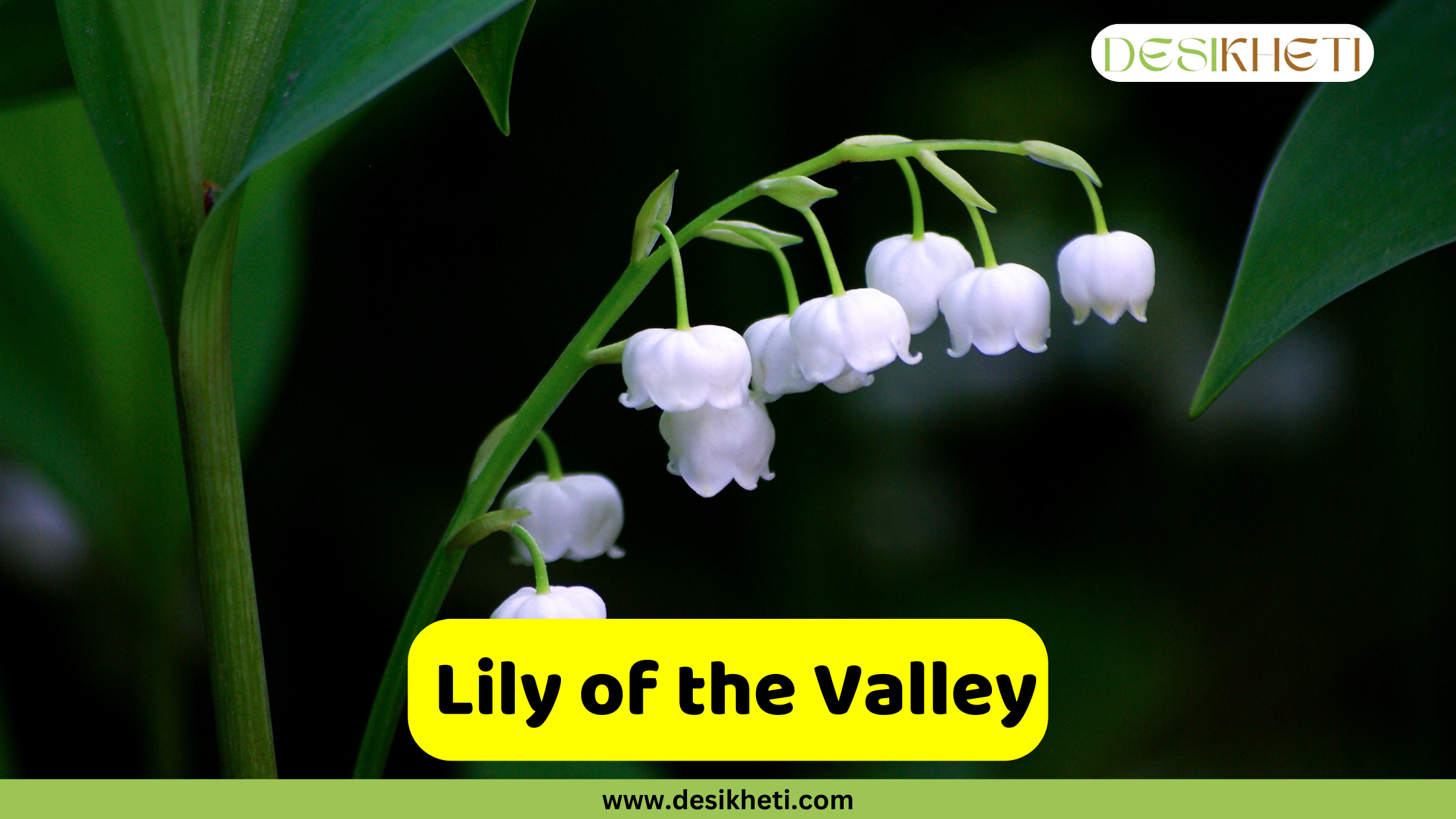
Botanical Name: Convallaria majalis
This dainty flower features tiny, bell-shaped white blossoms with a strong, sweet fragrance. It grows in delicate, arching sprays and blooms in spring, symbolizing purity and renewal.
Why It’s Expensive:
It is difficult to cultivate in warm climates and has a very short blooming window. Its sweet scent and elegant appearance make it a premium choice for bridal bouquets, especially in royal weddings.
Interesting Facts:
- Featured in Princess Kate Middleton’s wedding bouquet
- Used in luxury perfumes for its distinctive aroma
Parrot’s Beak
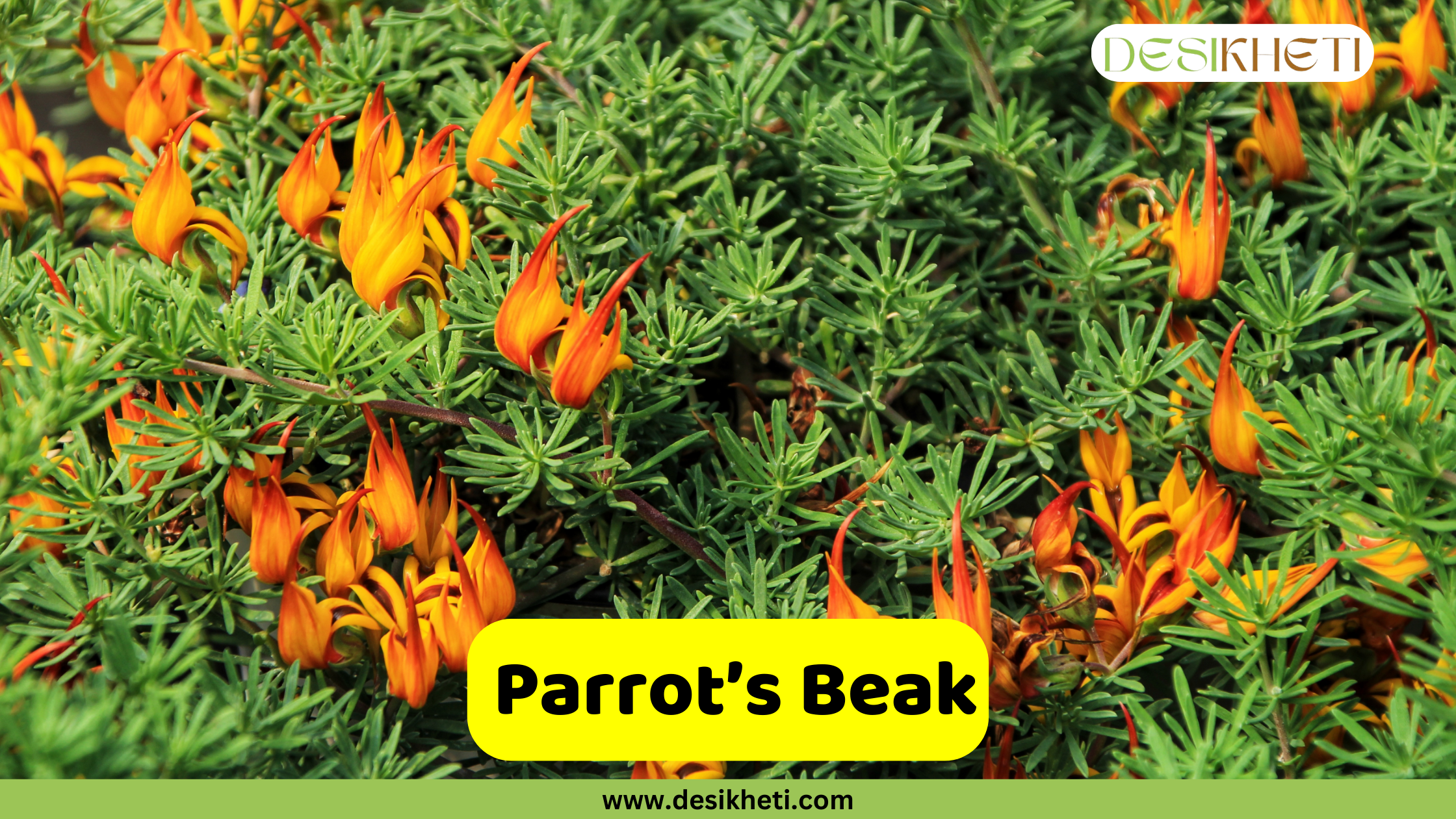
Botanical Name: Lotus berthelotii
Parrot’s Beak is a trailing plant known for its vividly colored, claw-shaped flowers resembling a parrot’s beak. The blooms come in fiery shades of red, orange, or yellow and are framed by silvery-green, needle-like foliage.
Its unique appearance makes it a collector’s favorite for hanging baskets and rock gardens.
Why It’s Expensive:
It is now classified as extremely rare in the wild and grows only under careful cultivation. Parrot’s Beak is highly sensitive to climate and soil conditions and often fails to bloom outside ideal environments, making it expensive and prized among rare plant enthusiasts.
Interesting Facts:
- Symbol of endangered island flora and biodiversity
- Featured in botanical conservation programs in Europe and the U.S.
Peony
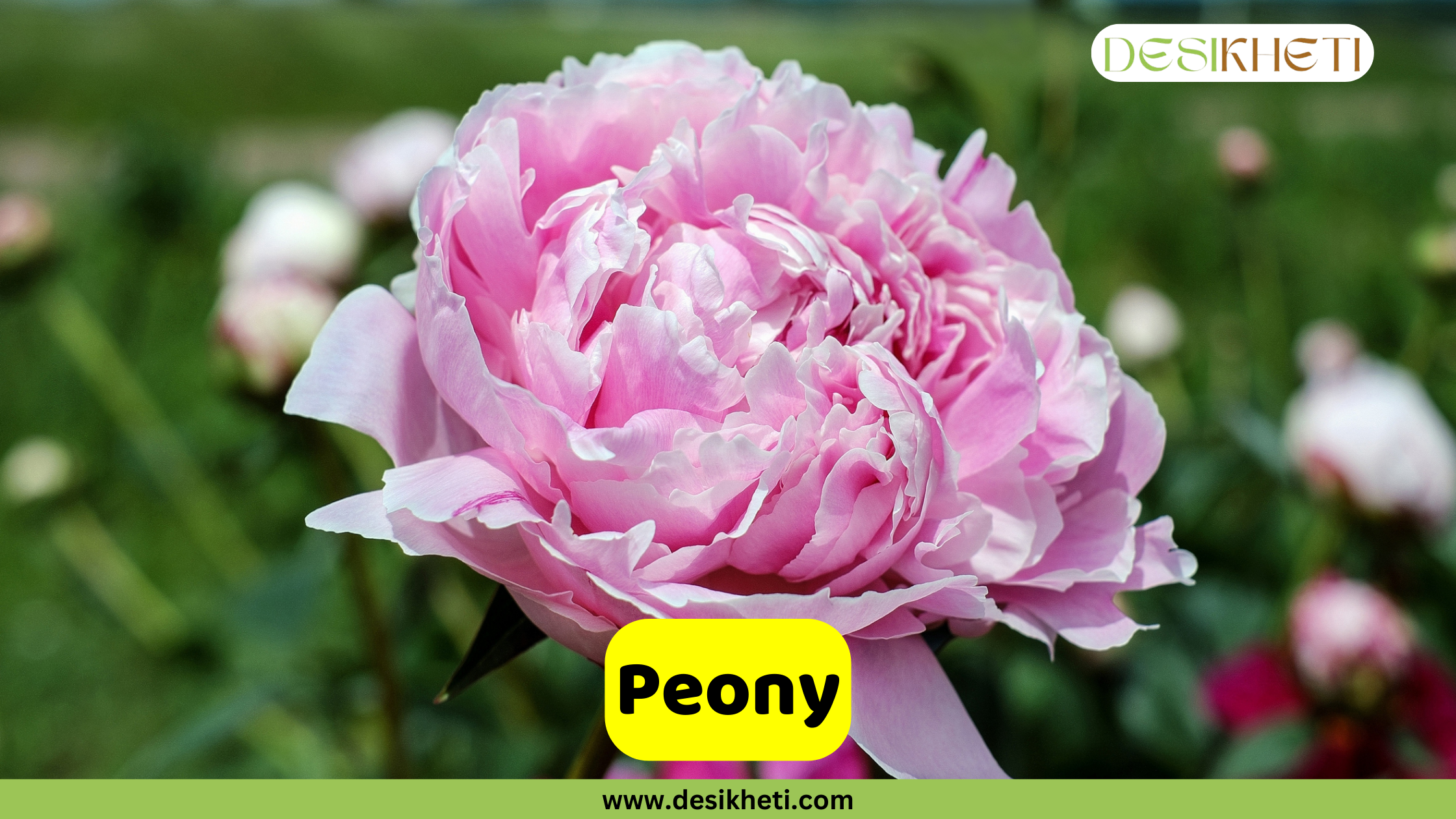
Botanical Name: Paeonia
Peonies are lush, full-bodied flowers with ruffled petals that bloom in colors such as pink, white, red, and yellow. Their beautiful appearance and fragrance make them favorites in spring floral designs and wedding arrangements.
Why It’s Expensive:
Peonies bloom for only a few weeks each year, and rare cultivars can take years to develop.
Interesting Facts:
- National flower of China and the state flower of Indiana
- Often featured in luxury bridal bouquets
Lisianthus
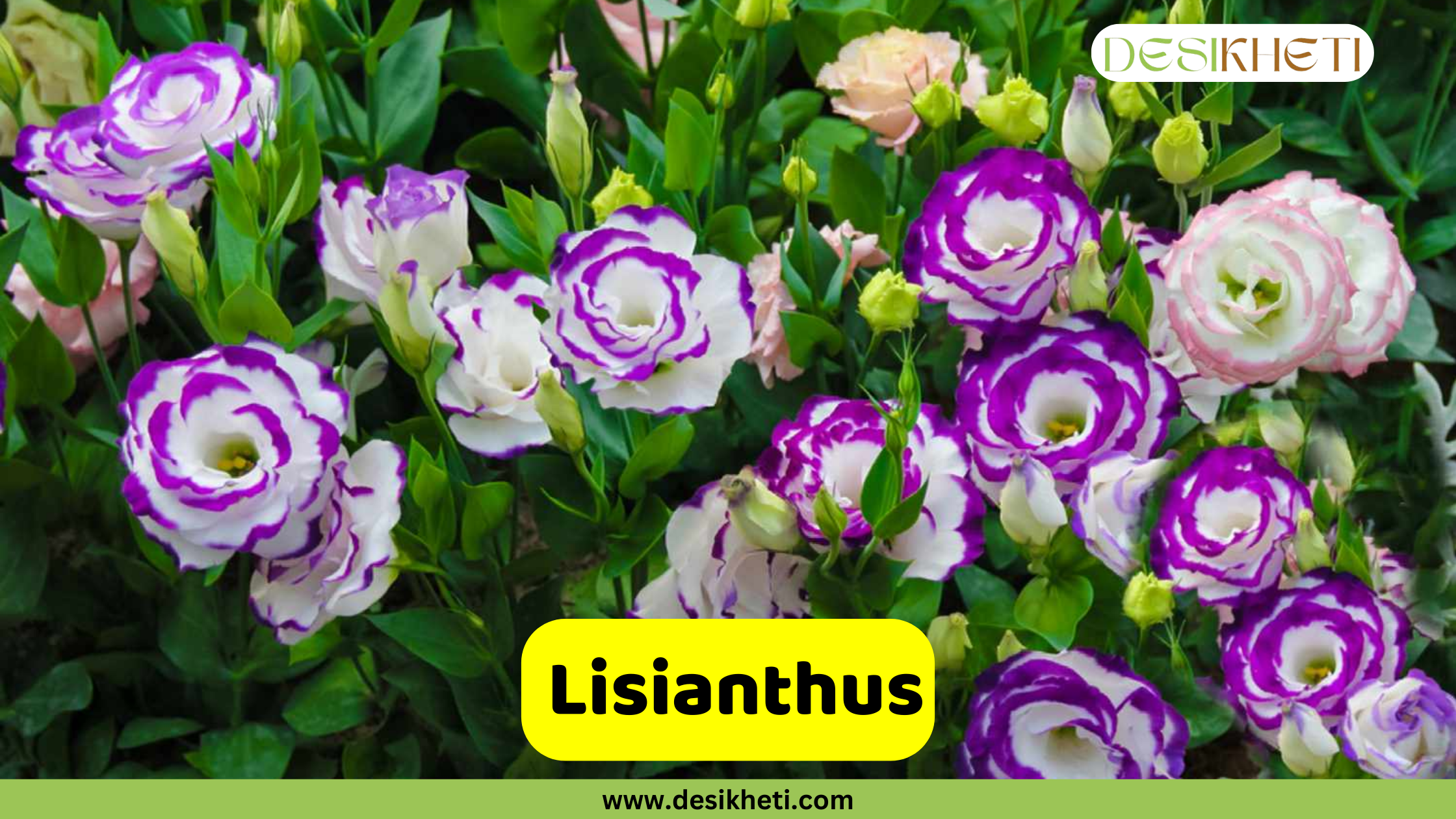
Botanical Name: Eustoma grandiflorum
Lisianthus flowers resemble delicate roses, with soft, layered petals and elegant colors such as lavender, white, pink, and blue. They are often used in floral arrangements.
Why It’s Expensive:
These flowers are fragile and have a short lifespan after cutting. Growing lisianthus requires precise climate control and skilled care, which adds to the cost.
Interesting Facts:
- Popular in weddings and luxury floral arrangements
Gardenia
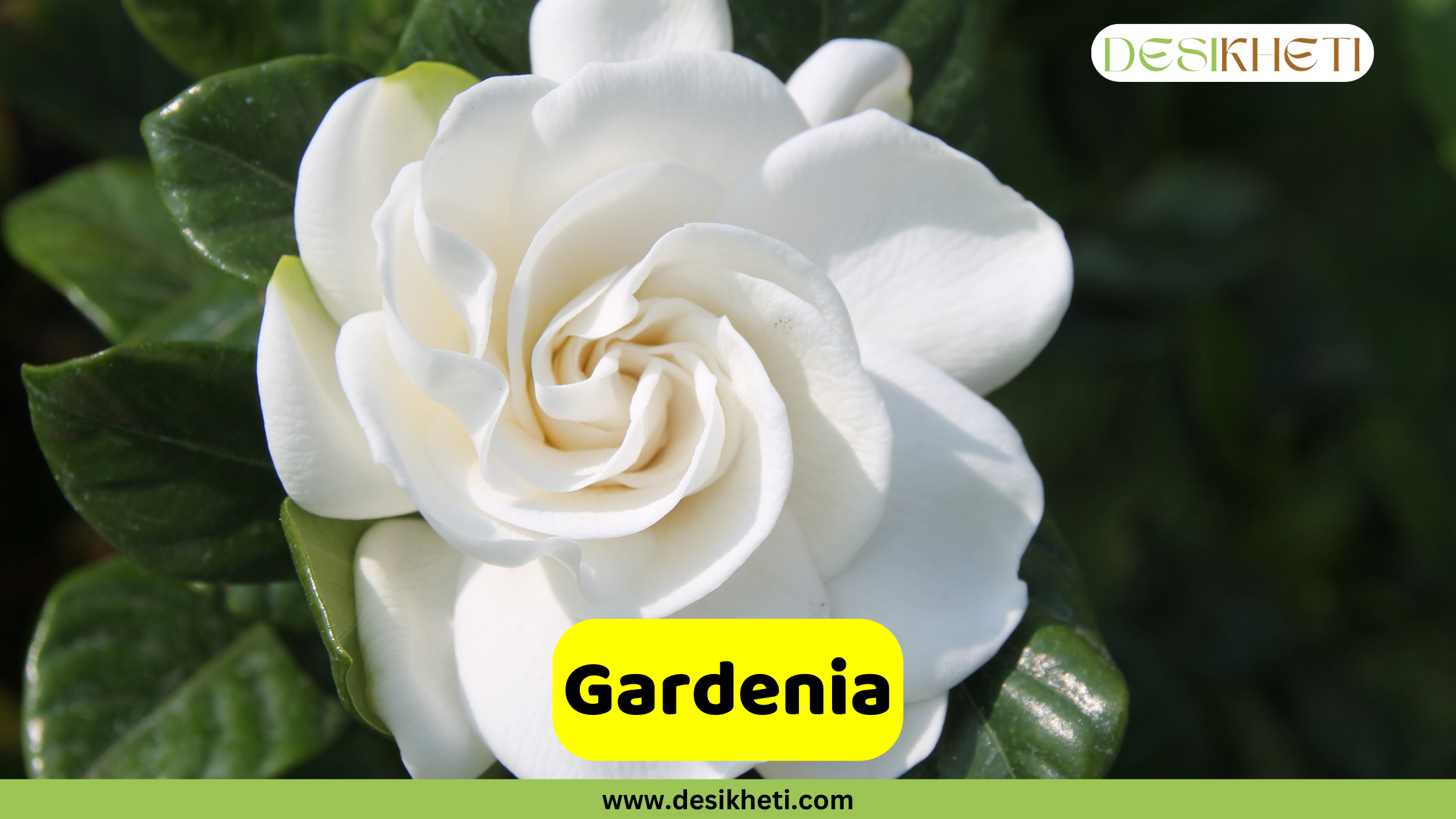
Botanical Name: Gardenia jasminoides
Gardenias are creamy white, waxy flowers known for their intoxicating fragrance and ornamental appeal. They grow on glossy-leaved shrubs and are beloved in both landscaping and luxury arrangements.
Why It’s Expensive:
They have a short shelf life, making them high-maintenance during transit and floral handling. Their intoxicating scent also contributes to their luxury status
Interesting Facts:
- A favorite in bridal corsages and tropical floral bouquets
Tulip ‘King of the Night’
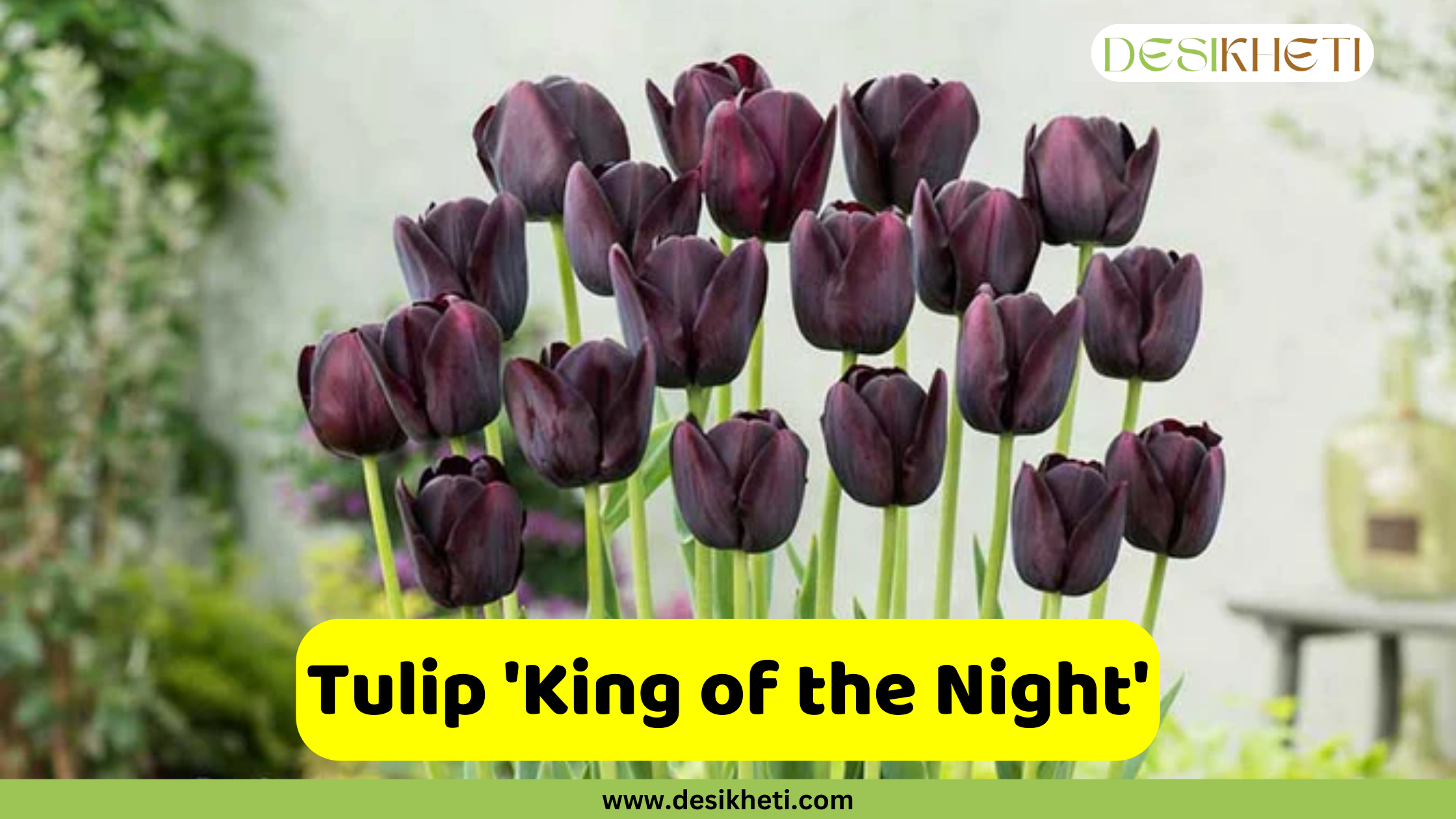
Botanical Name: Tulipa ‘King of the Night’
This rare tulip variety features deep maroon to nearly black petals with a velvety sheen. Its dramatic color and tall, elegant stems make it a favorite among luxury garden designers and high-end floral arrangements.
Why It’s Expensive:
Its unique color is difficult to hybridize and maintain across generations. Limited seasonal availability and high demand in designer floral markets also drive up the price.
Interesting Facts:
- Considered the “black rose” of tulips due to its deep color
- Often used in high-end fashion events and luxury garden exhibitions
Hellebore (Lenten Rose)
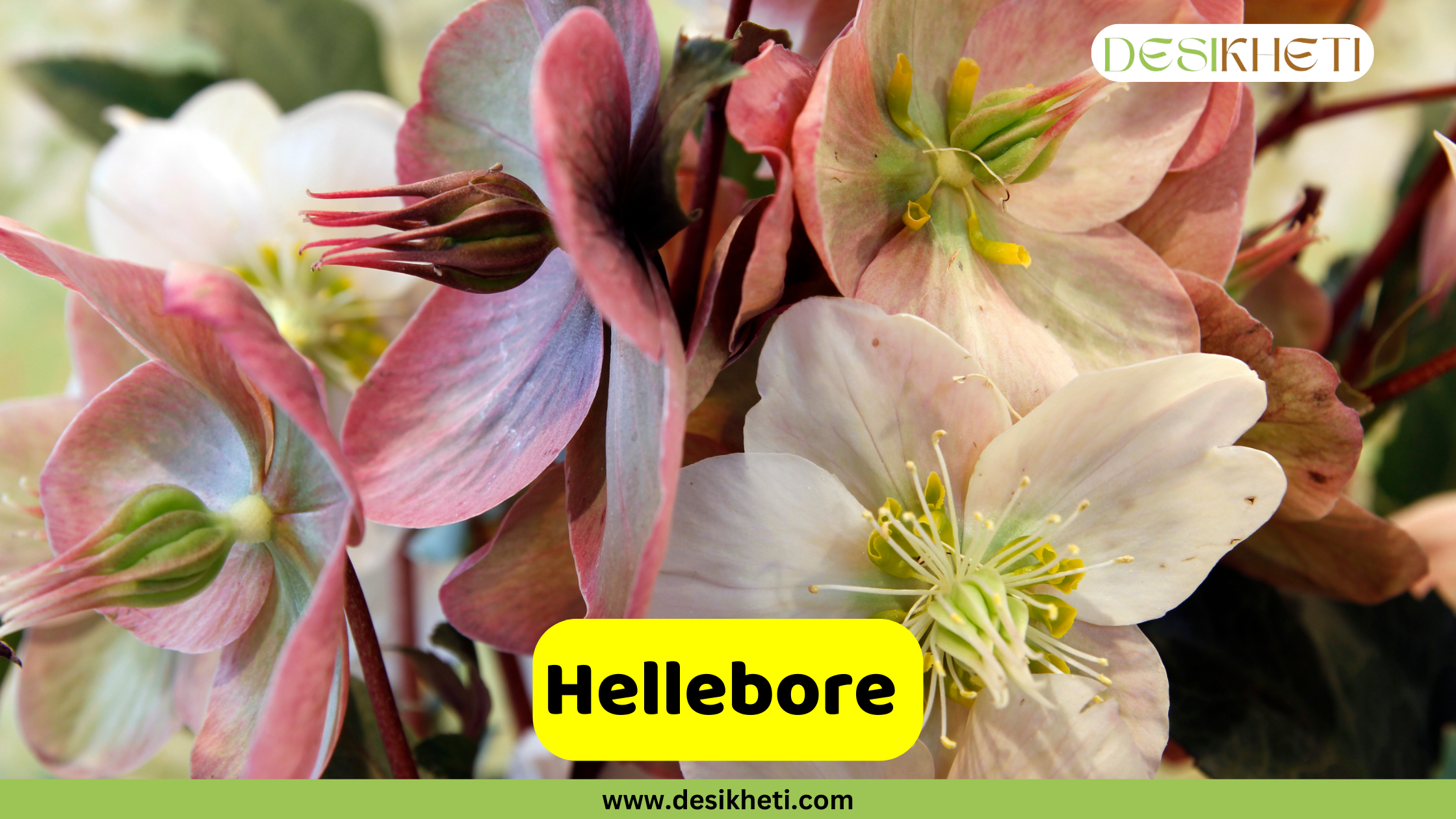
Botanical Name: Helleborus orientalis
Hellebores, or Lenten Roses, bloom in a wide range of muted, romantic hues, ranging from deep purples and greens to dusty pinks. These nodding, cup-shaped flowers bloom in late winter or early spring and are long-lasting, both in the garden and as cut flowers.
Why It’s Expensive:
They are slow to grow, often taking two to three years to bloom from seed. Their winter blooming makes them a seasonal luxury.
Interesting Facts:
- Favored in winter weddings and luxury floral arrangements
Sweet Pea ‘High Scent’
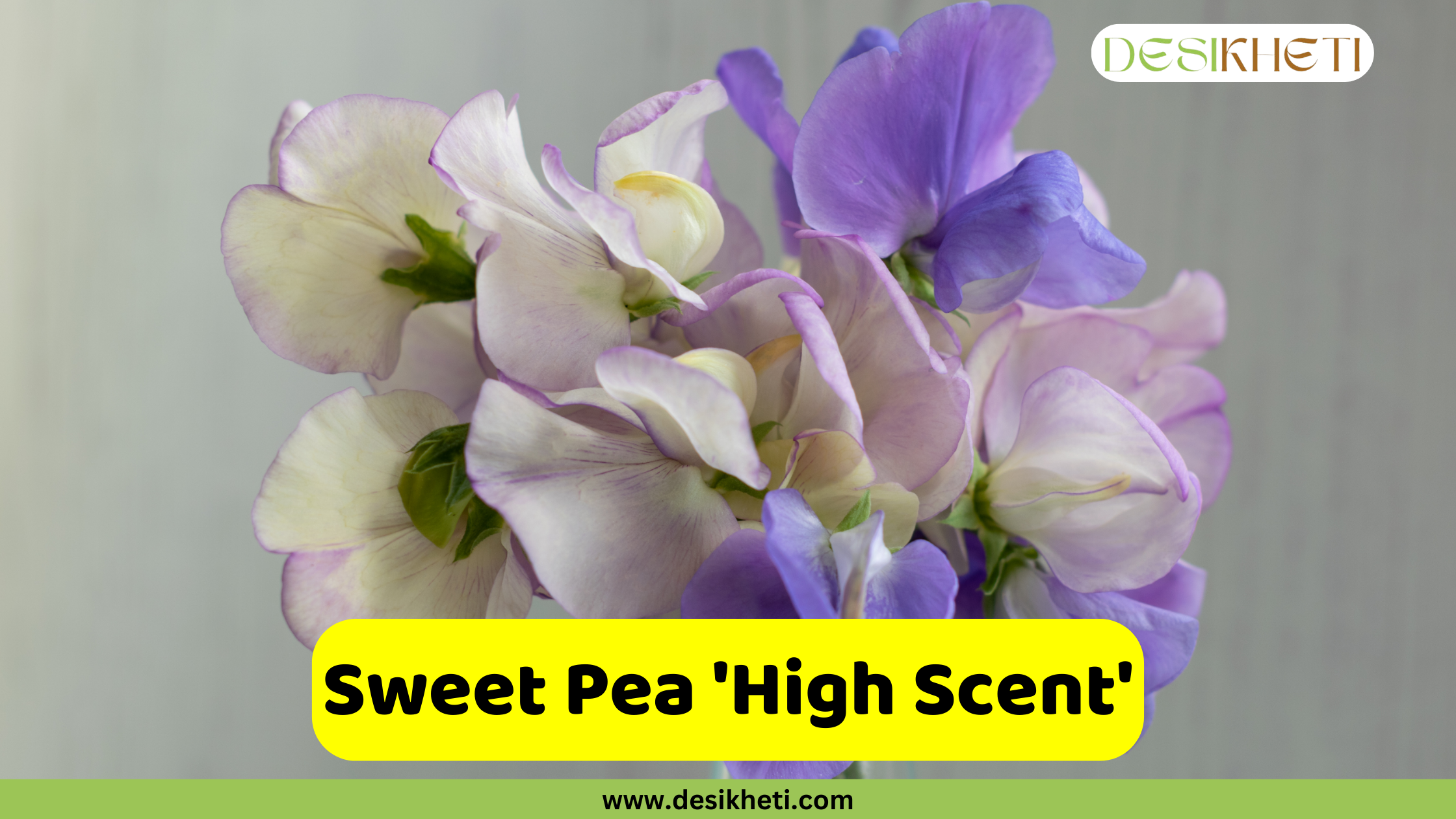
Botanical Name: Lathyrus odoratus ‘High Scent’
This cultivar of sweet pea stands out for its strong, sweet fragrance and bi-colored petals, usually soft ivory with hints of lavender or lilac at the edges. It is one of the most fragrant sweet peas available and is highly sought after by perfumers and event florists.
Why It’s Expensive:
Its short vase life, delicate petals, and limited blooming season make it challenging to transport and preserve. Its rich fragrance also makes it a premium choice.
Interesting Facts:
- Often featured in royal and aristocratic garden collections.
- Used in luxury perfumes and handmade potpourri.
Few Other Expensive Flowers
- Ranunculus ‘Cloni Success’ Varieties
- Black Bat Flower
- Lady’s Slipper Orchid
- Corpse Lily
- Blue Vanda Orchid
- Rainbow Rose
Flowers are more than just decorative elements; they’re living masterpieces shaped by time, climate, and evolution. The most expensive flowers in the world aren’t just beautiful they represent exclusivity, patience, and the wonders of nature’s artistry. Whether it’s the fleeting bloom of the Kadupul or the royal elegance of the Juliet Rose, each flower on this list carries a story of rarity, craftsmanship, and admiration.
While most of us may never hold a $5,000 orchid or grow a saffron crocus farm, learning about these botanical treasures offers a new appreciation for the value of nature.
Mention your favorite flower in the comments below.
FAQs on Most Expensive Flowers
1. What are the facts about the Kadupul flower?
A. The Kadupul flower is one of the rarest flowers in the world, blooming only at night and wilting before dawn.
2. How long does the Kadupul flower last?
A. Kadupul flowers bloom for just a few hours during the night and begin wilting before sunrise.
3. What is the myth of the Kadupul flower?
A. In Sri Lankan folklore, it is believed that celestial beings descend to Earth at night to present Kadupul flowers as offerings to the Buddha.
4. What is the speciality of the Juliet Rose?
A. The Juliet Rose is one of the most expensive roses ever bred, costing millions of dollars to create and admired for its peach color and layered petals.
5. How long did it take to create the Juliet Rose?
A. It took 15 years of careful cultivation and breeding by David Austin to create the Juliet Rose.
6. How does saffron multiply?
A. Saffron multiplies through corms.
7. Are Semper Augustus tulips extinct?
A. Yes, the Semper Augustus tulip, famous during the Dutch Tulip Mania, is now extinct.
8. What are some fun facts about hydrangeas?
A. The color of hydrangeas can change based on the soil’s pH.
9. What is gardenia called in India?
A. In India, gardenia is commonly called “Gandhraj.”
