Table of Contents
Introduction
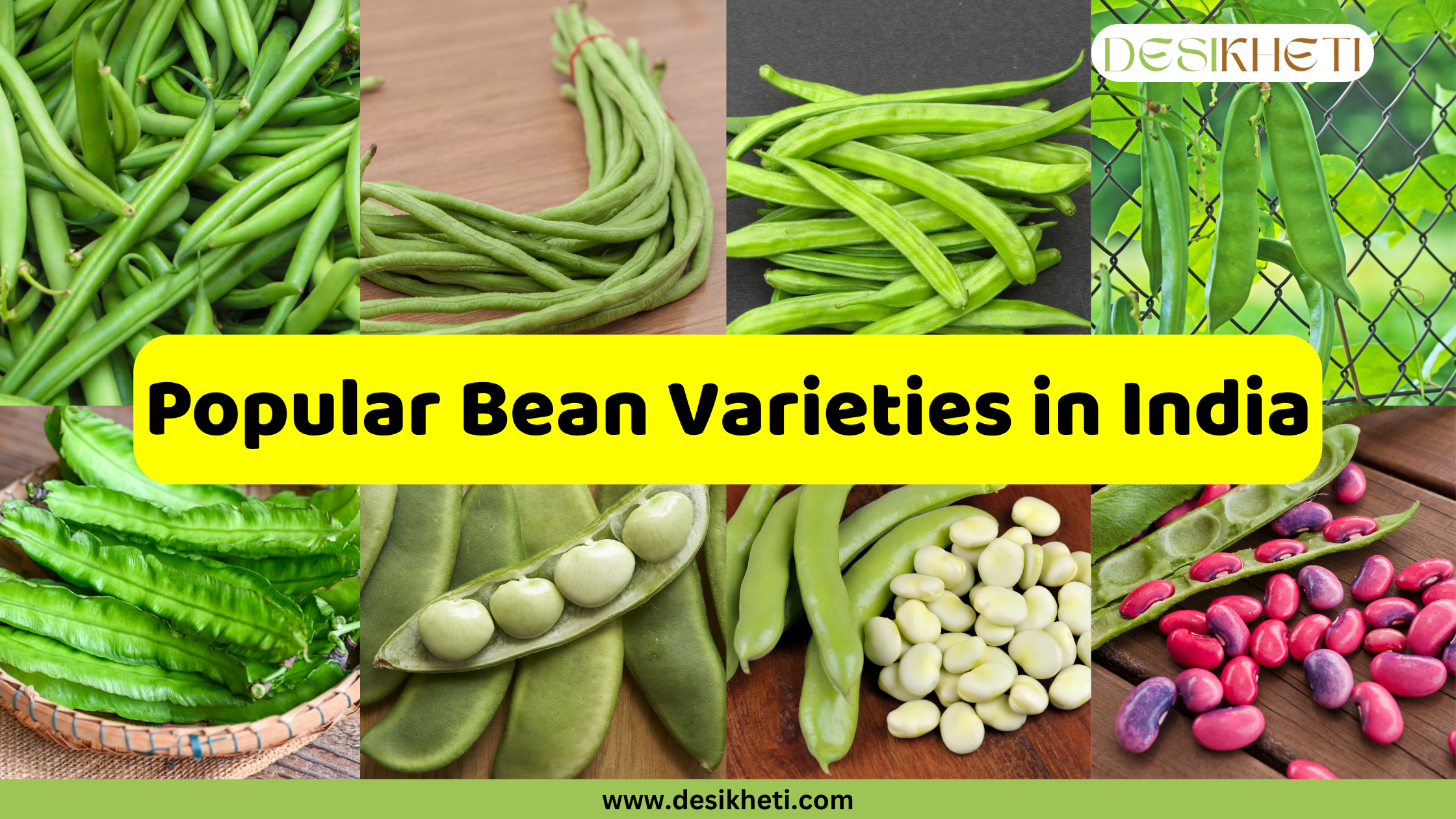
Beans are an essential part of Indian kitchens and agriculture, valued for their rich protein content and versatility in cooking. From creamy dals to hearty curries and refreshing salads, beans bring both nutrition and flavor to countless traditional and modern dishes.
Beyond their culinary uses, many bean varieties are hardy, drought-resistant, and improve soil health by fixing nitrogen, making them ideal for sustainable farming.
Whether you are a home gardener or a farmer, exploring different bean varieties through this blog can help you find the perfect match for your taste preferences and growing conditions.
So, without further delay, let’s dive into the blog.
What Are Beans?
Beans are seeds from plants, mostly belonging to the legume family. They grow inside pods that split open when mature. Beans can be eaten fresh (like green peas) or dried (like kidney beans and black gram). They come in many shapes, sizes, and colors, each with unique flavors and uses. Beans are an important source of plant-based protein, especially in vegetarian diets.
French Beans
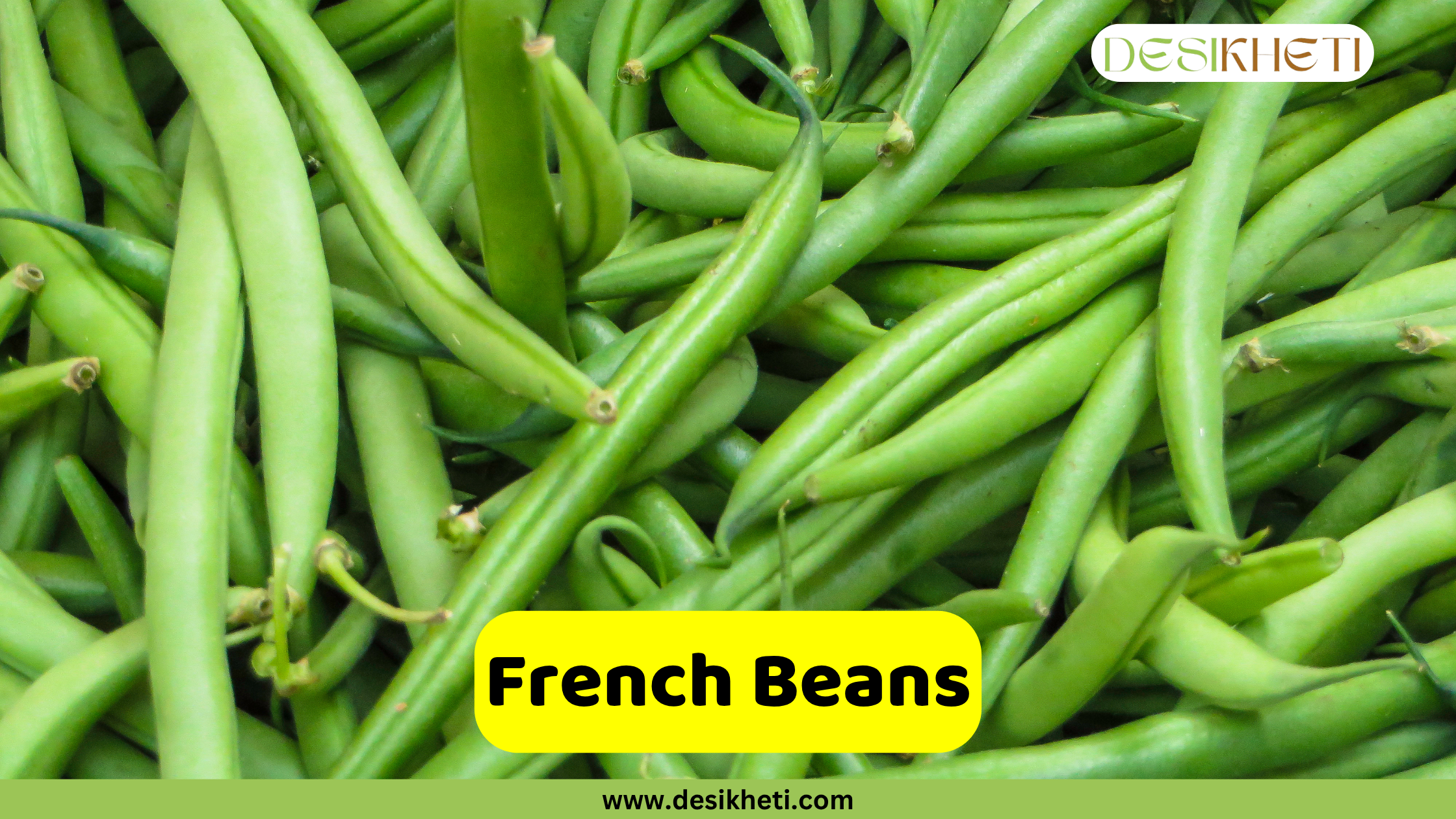
Botanical Name: Phaseolus vulgaris
French beans are also known as green beans, haricot verts, snap beans, or string beans. They are slender, elongated pods that range in color from light green to deep green. They are usually 10–15 cm long, smooth, and cylindrical, with a crisp texture.
They are rich in fiber, vitamins A and C, and low in calories. They are often used in salads and various vegetable preparations. In India, they are mainly cultivated in Maharashtra, Karnataka, Himachal Pradesh, and Uttarakhand.
Uses and Benefits:
- Rich in fiber and vitamin A
- Easy to digest and low in calories
Yard Long Beans
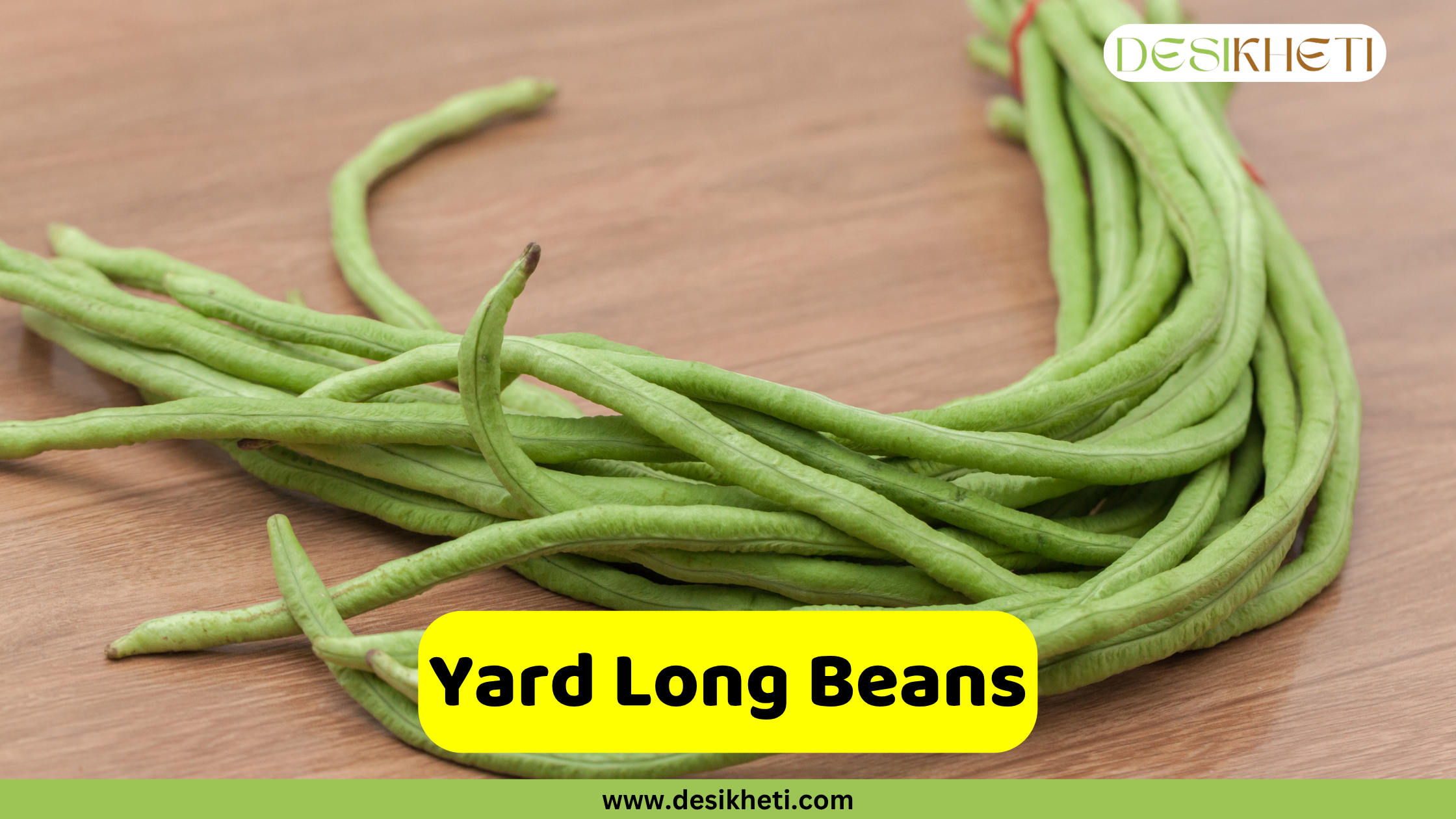
Botanical Name: Vigna unguiculata subsp. sesquipedalis
Yardlong beans, also called asparagus beans, snake beans, or chawli in India, originate from Southeast Asia. They can be easily identified by their long, flexible green pods, which grow 30–90 cm in length. The pods are smooth, cylindrical, and often slightly curved.
Rich in fiber, protein, iron, and vitamins, they are a nutritious addition to everyday meals. Their crunchy texture and mild flavor make them suitable for both traditional and fusion recipes. In India, they are commonly cultivated in Tamil Nadu, Kerala, Andhra Pradesh, and West Bengal.
Uses and Benefits:
- High in protein and dietary fiber
- Excellent for sautéed dishes and curries
Cluster Beans
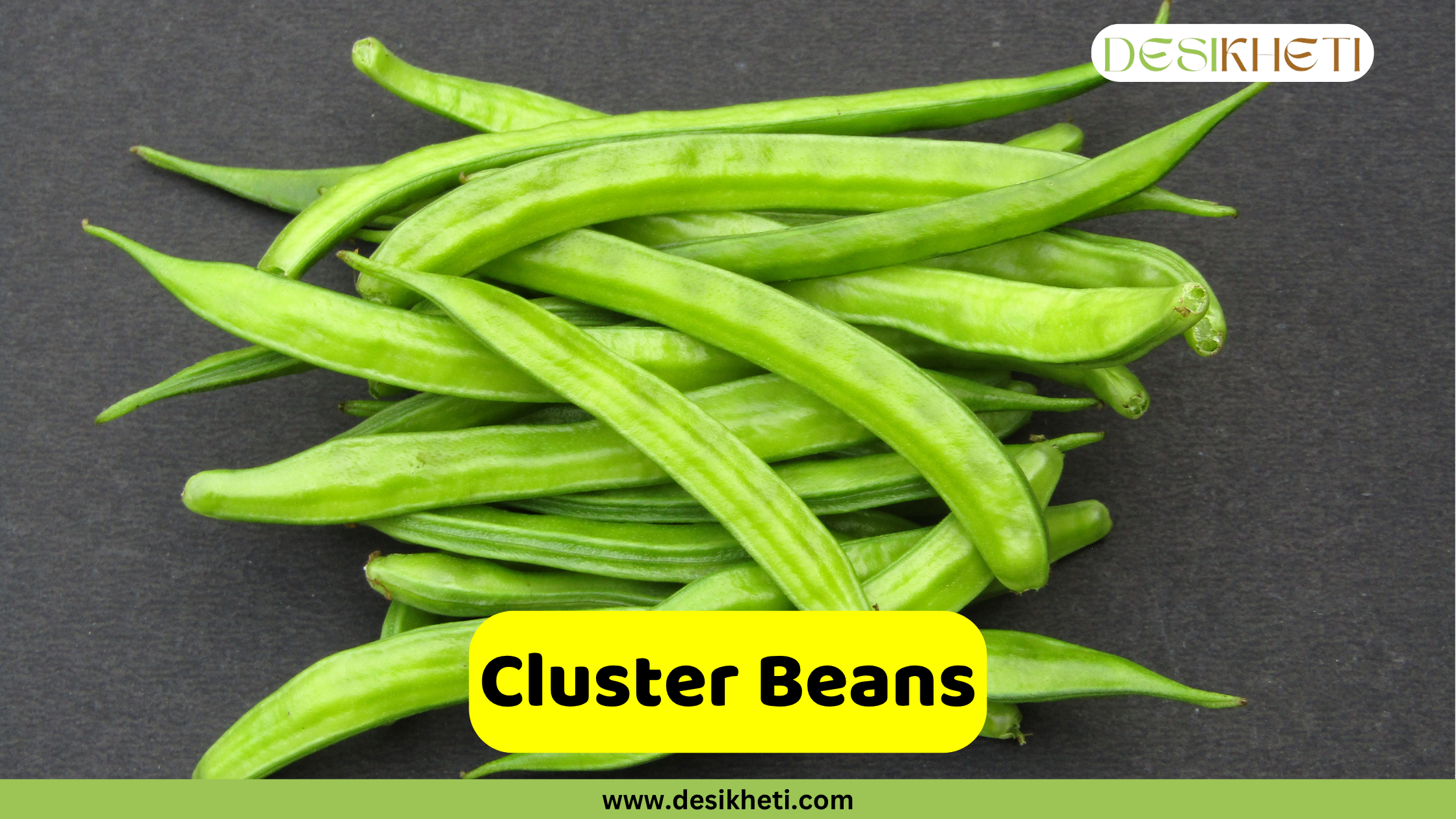
Botanical Name: Cyamopsis tetragonoloba
Cluster beans, also known as guar or gawar phali in Hindi, grow as bushy plants with upright stems and trifoliate leaves. The pods are narrow, flat, and 5–10 cm long, containing small white seeds. They are usually light green and slightly ridged.
They are a good source of dietary fiber, protein, and essential nutrients such as calcium and iron. These beans are valued both as a vegetable and as a source of guar gum.
Uses and Benefits:
- Source of industrial guar gum
- High in fiber
- Used as green manure for soil improvement
Sword Beans
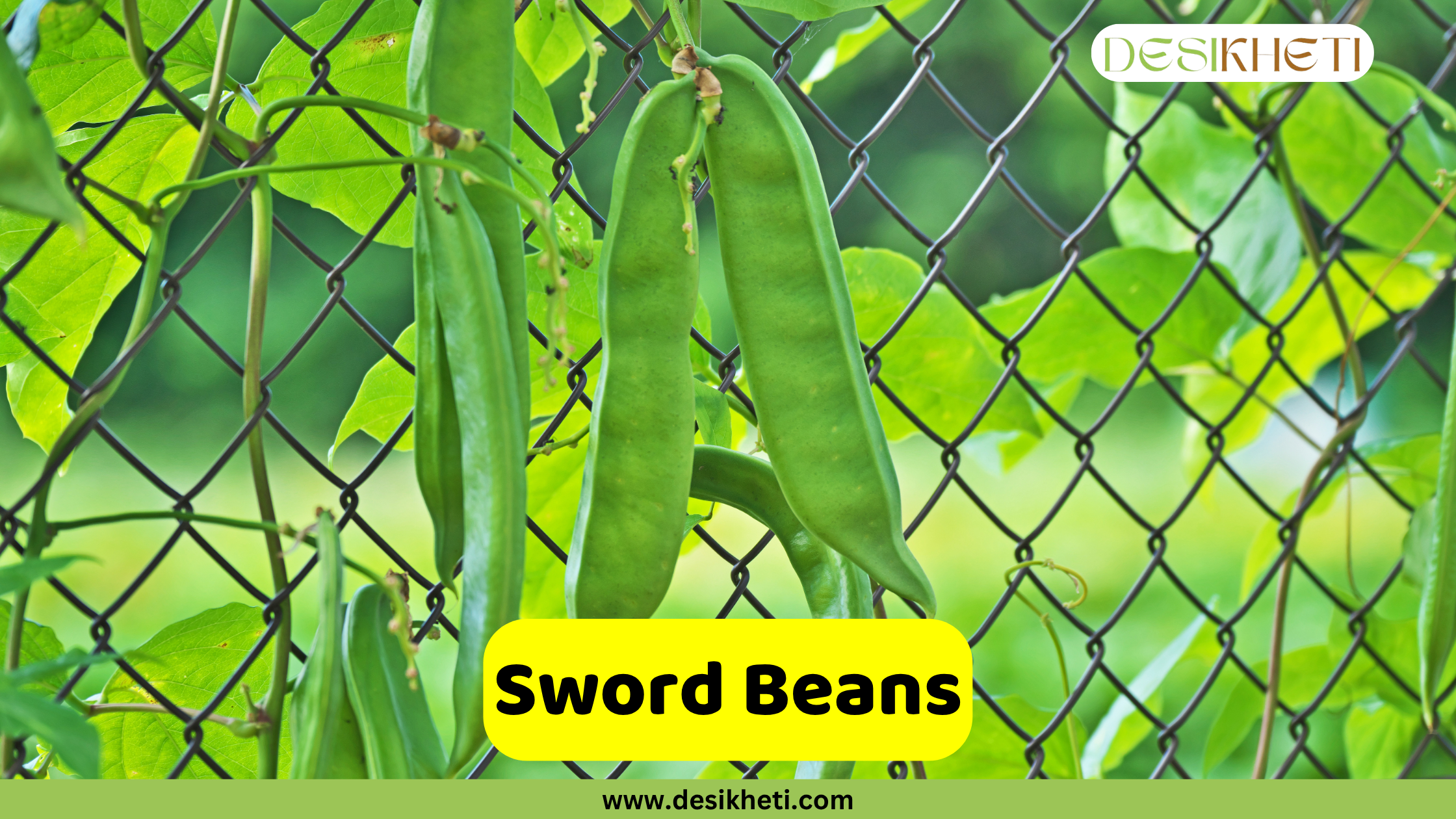
Botanical Name: Canavalia gladiata
Sword beans, also known as Canavalia gladiata, chakor phali in Hindi, or valavara in some regional languages, are vigorous, twining vines with thick stems and large trifoliate leaves. The pods are broad, flat, and can reach 30–40 cm in length, resembling the shape of a sword, hence the name.
They are rich in protein, dietary fiber, and essential minerals, making them a healthy option for a balanced diet. However, they need to be boiled properly to remove any possible toxins.
Uses and Benefits:
- Used in sambar and other traditional recipes
- Helps control soil erosion on slopes
Winged Beans
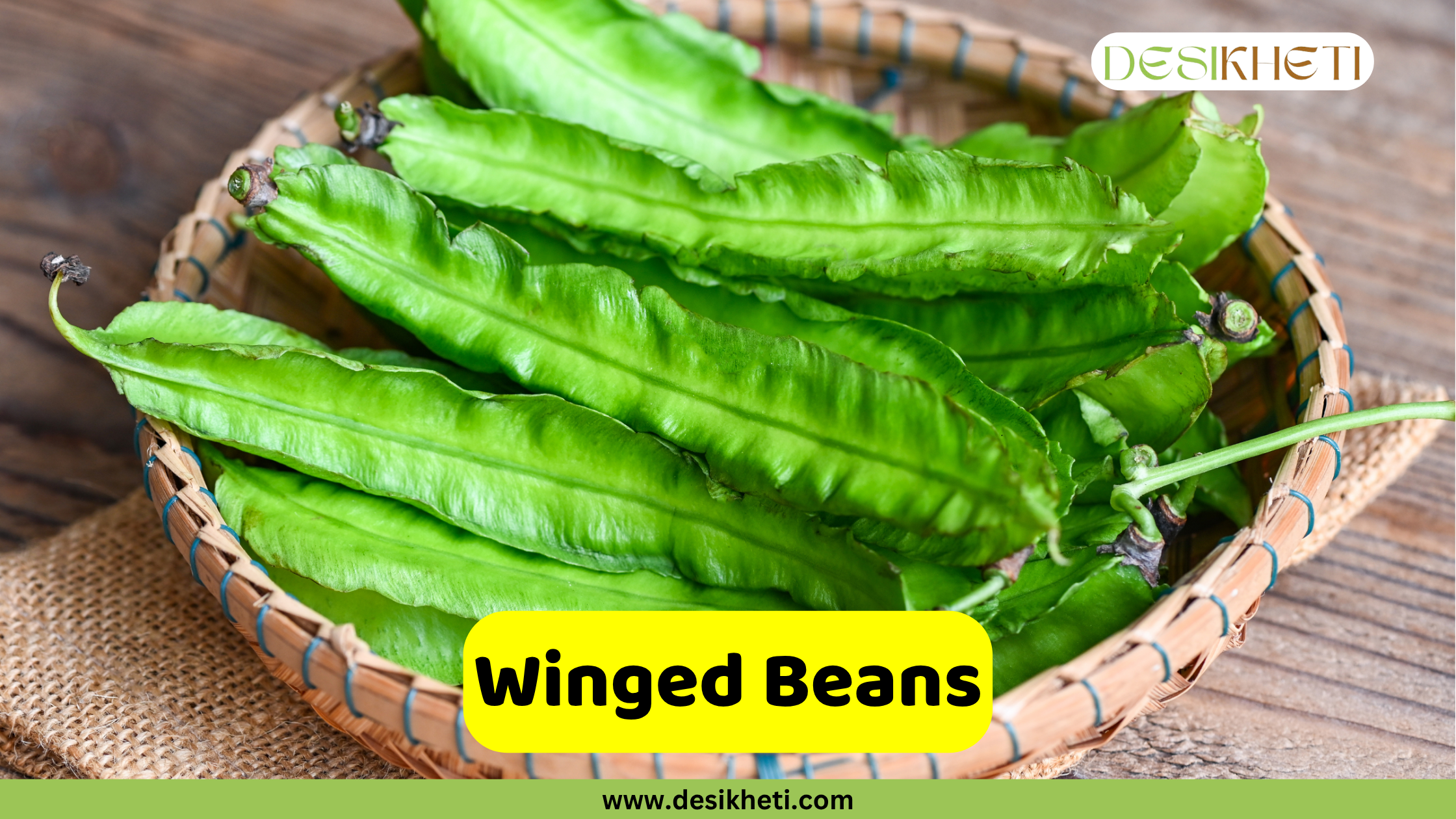
Botanical Name: Psophocarpus tetragonolobus
Winged beans, also called Goa beans, four-angled beans, or Manila beans, are climbing vines with soft, green, four-angled pods that have frilly edges and are typically 10–20 cm in length. They are rich in protein, iron, calcium, and vitamins A and C.
Uses and Benefits:
- Rich in protein and essential minerals
- Improves soil health
Lima Beans
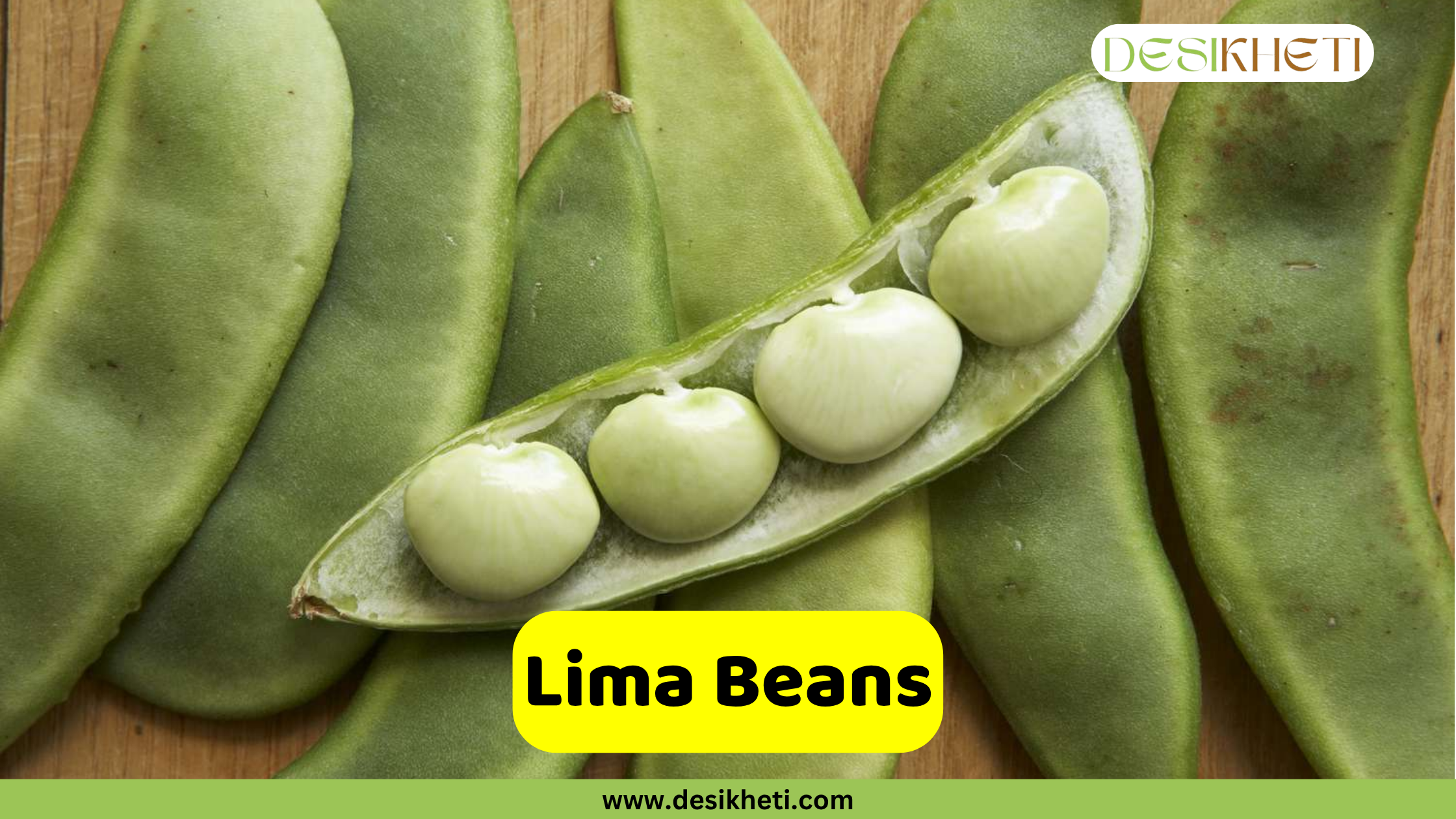
Botanical Name: Phaseolus lunatus
Lima beans, also known as butter beans, double beans, or sieva beans, have broad, trifoliate leaves and bear flat, slightly curved pods around 5–12 cm long. Each pod contains 2–4 large seeds that may be white, cream, green, or speckled, depending on the variety.
After cooking, lima beans have a flat, creamy texture. They are rich in plant-based protein, fiber, and minerals such as potassium and iron. They require proper cooking to remove any possible toxins.
Uses and Benefits:
- Excellent source of protein and fiber
- Used in stews, soups, and curries
Broad Beans
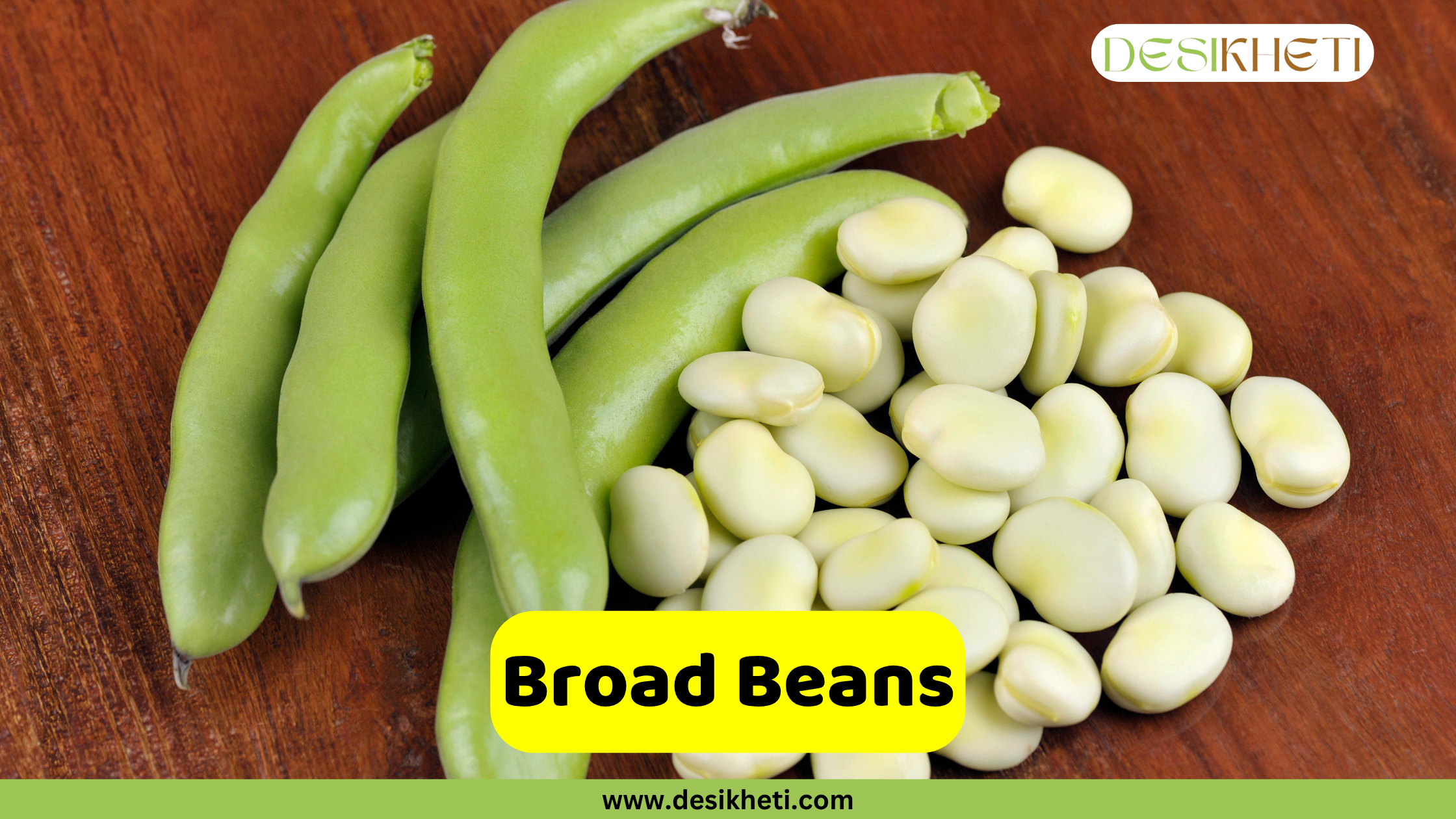
Botanical Name: Vicia faba
Broad beans, also known as fava beans, bakla, or val beans, have thick, slightly curved pods that can grow up to 15–25 cm long, containing 4–8 flat, oval seeds. They are rich in protein, dietary fiber, and essential vitamins such as folate and iron.
Uses and Benefits:
- Enriches soil with nitrogen
- High in protein and folate
- Used in soups, rice dishes, and snack mixes
Runner Beans
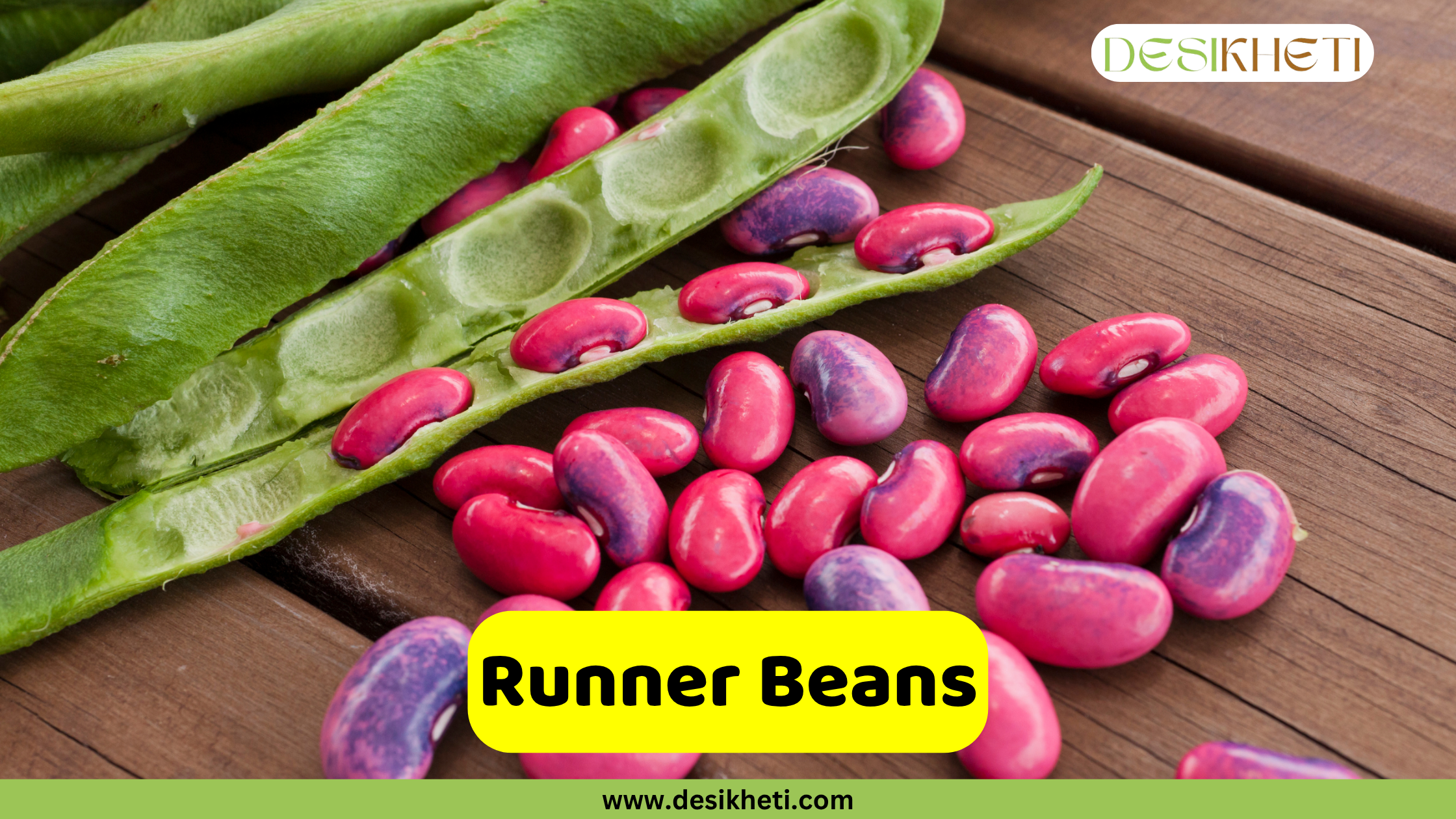
Botanical Name: Phaseolus coccineus
Runner beans, also known as multiflora beans or scarlet runner beans, have long pods (20–30 cm) that are slightly flattened and fibrous, with large seeds inside that can be white, purple, or speckled.
They are commonly stir-fried, steamed, or added to vegetable curries and soups. The mature seeds can also be boiled and used in stews. They are low in calories and rich in dietary fiber, antioxidants, and vitamins A and C, making them a healthy addition to meals.
Uses and Benefits:
- Dual-purpose: can be grown for both edible pods and ornamental flowers
- Attracts pollinators to gardens
- Suitable for small-scale terrace and home gardening
Other Unique Bean Varieties You Might Like to Explore
- Moth Bean
- Black Gram (Urad Dal)
- Green Gram (Moong Dal)
- Kidney Beans (Rajma)
- Soybean
- Black-Eyed Pea (Lobia)
- Field Pea
- Cowpea
- Clove Bean
Growing Tips and Care for Beans
- Choose the Right Variety for Your Region: Select bush beans, pole beans, or climber beans based on your climate and available space. Bush beans suit small gardens, while pole beans need support but yield for a longer period. Always choose varieties recommended for your local agro-climatic zone.
- Prepare Well-Drained, Fertile Soil: Beans grow best in loose, sandy-loam soil with good drainage and a pH between 6.0 and 7.5. Enrich the soil with well-decomposed compost or farmyard manure before sowing to ensure a steady nutrient supply. Avoid excessive nitrogen, as it may promote foliage growth over pod production.
- Direct Sowing Works Best: Beans dislike transplanting, so sow seeds directly in the field or pots. Plant them 2–3 cm deep, keeping 8–10 cm spacing for bush types and 25–30 cm for climbers.
- Provide Adequate Support: Climbing and pole bean varieties need sturdy trellises, bamboo poles, or netting. Install supports at the time of sowing to prevent root damage later.
- Water Carefully: Keep the soil evenly moist during germination and flowering. Water at the base to avoid wetting the foliage, which can reduce the risk of fungal diseases. Reduce watering once pods start maturing to improve flavor and shelf life.
- Weed and Mulch Regularly: Remove weeds early to avoid competition for nutrients and water. Apply organic mulch such as straw or dried leaves to retain moisture, regulate soil temperature, and suppress weed growth.
- Encourage Pollination: Most beans are self-pollinating, but having pollinator-friendly plants nearby can improve yields in some varieties. Avoid excessive pesticide use during the flowering stage.
- Pest and Disease Management: Watch out for aphids, bean beetles, leaf miners, and fungal diseases like rust and powdery mildew. Use neem oil sprays, crop rotation, and resistant varieties for safer control. Remove and destroy infected plants early to stop the spread.
- Harvest Timely: Pick beans regularly when they are young and tender. Delayed harvesting can make pods fibrous and reduce further flowering. For dry beans, wait until pods turn yellow-brown and seeds rattle inside.
- Post-Harvest Care: Handle beans gently to avoid bruising. Store fresh beans in a cool place or refrigerate them to maintain crispness. Dry beans should be completely sun-dried before storage to prevent fungal growth.
Beans are more than just food; they are a symbol of diversity, nutrition, and sustainability in Indian agriculture. Each variety has unique qualities, flavors, and benefits that can enhance both your diet and farming practices. From moth beans to popular rajma and nutrient-rich soybeans, these legumes offer endless possibilities for cooks and growers alike. Choosing the right bean for your needs, you can enjoy delicious meals, improve soil health, and contribute to a greener future.
Which bean variety are you most excited to grow or cook next? Share your thoughts with us in the comments below!
FAQs on Beans
1. What are French beans also known as?
A. French beans are also known as green beans, snap beans, or string beans.
2. What are yard-long beans good for?
A. Yard-long beans are used in stir-fries, curries, and salads, and are valued for their tender pods.
3. What happens if yard-long beans get too big?
A. Overgrown yard-long beans can become tough and fibrous, losing their tenderness.
4. What are cluster beans used for?
A. Cluster beans are used in curries, stir-fries, and pickles, and their seeds are processed to make guar gum.
5. What is another name for cluster beans?
A. Cluster beans are also called guar beans.
6. What is another name for a sword bean?
A. Sword beans are also called canavalia beans..
7. What is the growth habit of winged beans?
A. Winged beans are climbing vines that require support for optimal growth.
8. What is special about lima beans?
A. Lima beans are high in protein, fiber, and essential minerals, making them nutritious and filling.
9. What part of lima beans do we eat?
A. The seeds inside the pods are the edible part of lima beans.
10. What is another name for broad beans?
A. Broad beans are also called fava beans.
11. Do broad beans need water?
A. Yes, broad beans need consistent moisture, especially during flowering and pod development.
12. What is another name for runner beans?
A. Runner beans are also called scarlet runner beans.
